
Preventing and Fighting AI Brain Fry in Modern Workplaces
Preventing and Fighting AI Brain Fry in Modern Workplaces
There’s no denying that AI is the top solution for automating and optimizing workflows. Its goal seems to be getting rid of the noise, clutter, and repetitive tasks that employees should hate.
However, research suggests that using AI this way may be doing a disservice to our brains and mental health. So, let’s discuss what AI brain fry means, how to recognize it, and how to fight it while still taking advantage of AI capabilities.
What is AI brain fry?
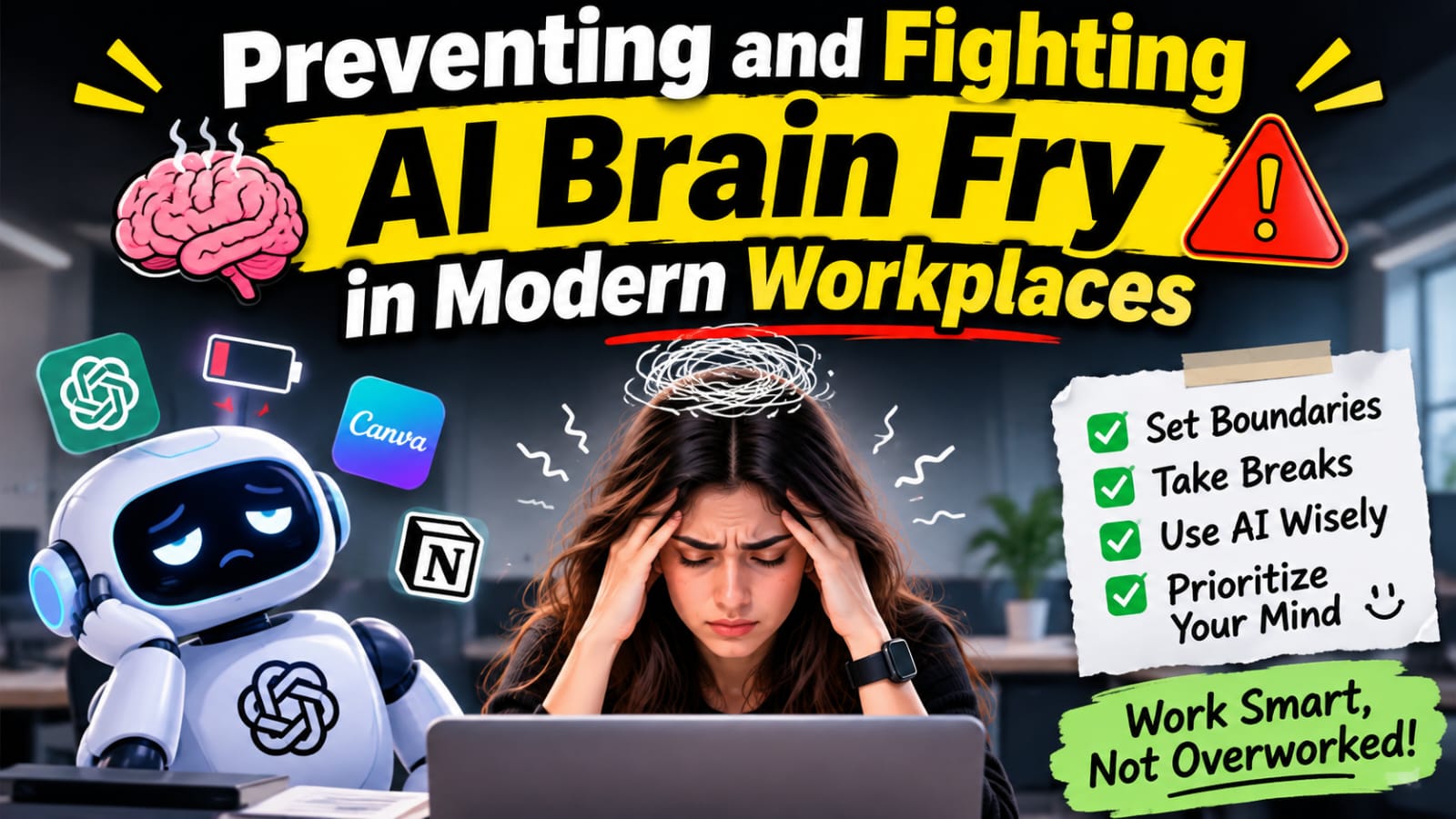
AI brain fry is a concept suggesting that people feel overwhelmed and exhausted by using AI and reinventing their workflows based on it. Thus, despite having AI tools to rely on, experts note that people are feeling more burnt out and stressed than ever.
This can relate to workplaces justifying increased workloads by saying AI can assist with most of it. However, AI work still requires checks and refinement, which makes its participation less seamless than advertised.
Besides taking on more tasks, people are also likely working with multiple AI tools. Imagine having four junior specialists report to you: AI tools are similar. They are eager to assist, but when they all finish tasks at the same time, it’s highly stressful to review everything quickly and give it the stamp of approval.
You can recognize AI brain fry or fatigue through the following:
- Feeling more dissociated from your work tasks and less motivated.
- Having difficulties concentrating on one task at a time.
- Being unable to decide without consulting AI.
- Losing time contemplating ways to further improve AI.
- Freezing when performing tasks requiring creativity and critical thinking: something you used to do daily.
- Generally having less energy and feeling exhausted after work more than you used to.
If you’re experiencing any of these symptoms, consult professionals for reliable medical advice.
Shifting to only important and heavy-duty tasks
One suspect for AI causing exhaustion and stress is that most of their workday involves highly demanding tasks. Before AI, a specialist might have spent three hours solving issues and laying out new quarter plans.
After that, to cool off, they picked up something less stressful, such as replying to emails or Slack messages, or doing tasks that didn’t require much effort (like formatting a blog article and adding relevant images) before posting. So, while these repetitive tasks seemed annoying at the time, they may have given people time to breathe. Now, people can format an article in minutes, leaving them time to return to their complex tasks much faster.
Additionally, when AI performs a task, the person is responsible for reviewing and approving its work. Thus, there is no time to let your mind rest, at least relatively speaking.
Pushing for healthier AI use
Realistically speaking, AI is one of the biggest upcoming trends, and even if companies aren't currently investing in employee subscriptions, they likely will.
Furthermore, AI tools are continuously improving, receiving more data from users and retrieving information from across the globe through shared internet connections. Such sharing involves services like Bixberry that allow users to earn free gift cards in exchange for sharing their unused internet bandwidth. These contributions help ensure that AI receives the latest information, which could prevent it from providing misguided answers. Thus, many efforts are put into making AI more practical and less likely to make mistakes.
As a result, ignoring AI capabilities is likely not a viable option if you wish to remain desirable on the job market. If you’re using AI or have decided to experiment more, remember these tips to avoid the unpleasant AI brain fry:
- Don’t let AI take over tasks that give you satisfaction at work.
- Try using one or two AI tools to avoid tracking multiple platforms at once.
- While AI can do many things, leave creative tasks for you and use it to polish or refine your work: not the other way around.
- Prepare prompts for requests you make frequently to avoid answering the same questions and fixing similar issues.
Conclusion
Overall, AI fatigue or brain fry can creep up on you unexpectedly. So notice any signs of these problems early, and adjust your workflows to give yourself time to cool off instead of always focusing on heavy mental-load assignments.








A privacidade é importante para nós, então você tem a opção de desativar certos tipos de armazenamento que podem não ser necessários para o funcionamento básico do site. O bloqueio de categorias pode afetar sua experiência no site. Mais informações


