
Meta Partnership Ads: A Pre-Spend Test Checklist

Meta partnership ads can make a creator video look like the obvious next growth test. The post gets attention, you put budget behind it, and the creator’s credibility should do the rest. Right?
You still need the right audience, a useful message, agreed permissions and a way to judge the result. Paying to distribute the video doesn’t resolve those decisions. Here’s how to prepare a test that tells you something useful before you commit more money.
By Nitin Mahajan · Last updated 19 November 2026
A creator post, a content licence and permission to run an ad through a creator’s identity are separate parts of the buying conversation. Establish which parts you need and check Meta’s current requirements before launch. This guide covers planning; it does not substitute for a current account-specific setup walkthrough.
Four checks that a “yes, you can use it” message can leave unresolved
Commercial licence
What you need to establish: The asset, intended use, duration, edits and fee agreed with the creator
A common mistaken shortcut: Treating payment for production as unlimited ad usageAccount and content eligibility
What you need to establish: The relevant accounts and chosen content can use the required Meta tools under current requirements
A common mistaken shortcut: Assuming a professional-looking profile proves eligibilityPlatform authorisation
What you need to establish: The actual ad operator has the needed accepted permissions for the intended identity and content
A common mistaken shortcut: Treating a pending request or a private message as a launch-ready account stateDisclosure and policy review
What you need to establish: The commercial relationship, content and ad meet the applicable requirements
A common mistaken shortcut: Assuming an accepted account permission approves every claim in the video
These are planning checks, not a claim that this guide has verified the state of your accounts. Have the operator record the exact account, content, permission state, rights window and check date in the readiness sheet.
Meta’s official help destinations for partnership ad permissions and eligibility are the starting points for the current account check. This is a planning guide. Your account operator should verify the current setup and eligible content in the actual accounts before launch.
For a first pilot, agree the narrow use you actually need. An operator should be able to explain why the access requested matches that use and what happens when it ends.
1. Decide why this creator belongs in the test
Write down the buyer, the question the video answers and the creator’s reason to be credible. For a consumer app, that could be an honest demonstration of completing a task. An unrelated viral post is a weak reason to choose the next paid creative.
AI-assisted research can help organise relevant work and candidate questions. Watch the demonstration and confirm the claims before treating it as ready for advertising.
2. Confirm rights and account permissions
Agree paid usage, the relevant identities and assets, dates, editing, approval and any exclusions. Have the account operator verify the current Meta requirements and the permission state in the actual accounts. A contract and a platform authorisation are different checks.
Keep a dated permission record. If access or rights are unresolved, the next action is to resolve them, rather than schedule the spend.
3. Choose a useful comparison
Define the outcome and the question the test should answer. Are you evaluating the whole creator-ad package, or trying to isolate the effect of identity? Those require different comparisons. If the message, offer and audience all change, describe the outcome as a package comparison.
Keep the destination and conversion event comparable where possible. Record delivery differences and resist calling a before-and-after dashboard a causal lift study.
4. Count the full cost
Record the creator fee, production, rights, editing, internal work and media. Platform-reported media acquisition cost and the campaign’s fully loaded acquisition cost answer different questions. State which one you mean.
For example, a hypothetical $1,000 in media and 20 tracked purchases is $50 media cost per purchase. Add $600 of creator and editing cost and the same 20 purchases imply $80 per purchase including those stated costs, before any other campaign costs. That is attributed test arithmetic, not proof of incremental purchases.
5. Decide what happens next
Agree the observation period and decision criteria before launch, using your economics and expected data. Don’t copy a universal budget or success threshold. Review what the creative communicated, where delivery went and which costs would recur before another booking.
Put the example to work
Open the working decision resource. It includes fictional inputs, editable decision fields and a local export. Keep your own evidence and the unresolved questions beside the decision.
Where QuickAds fits
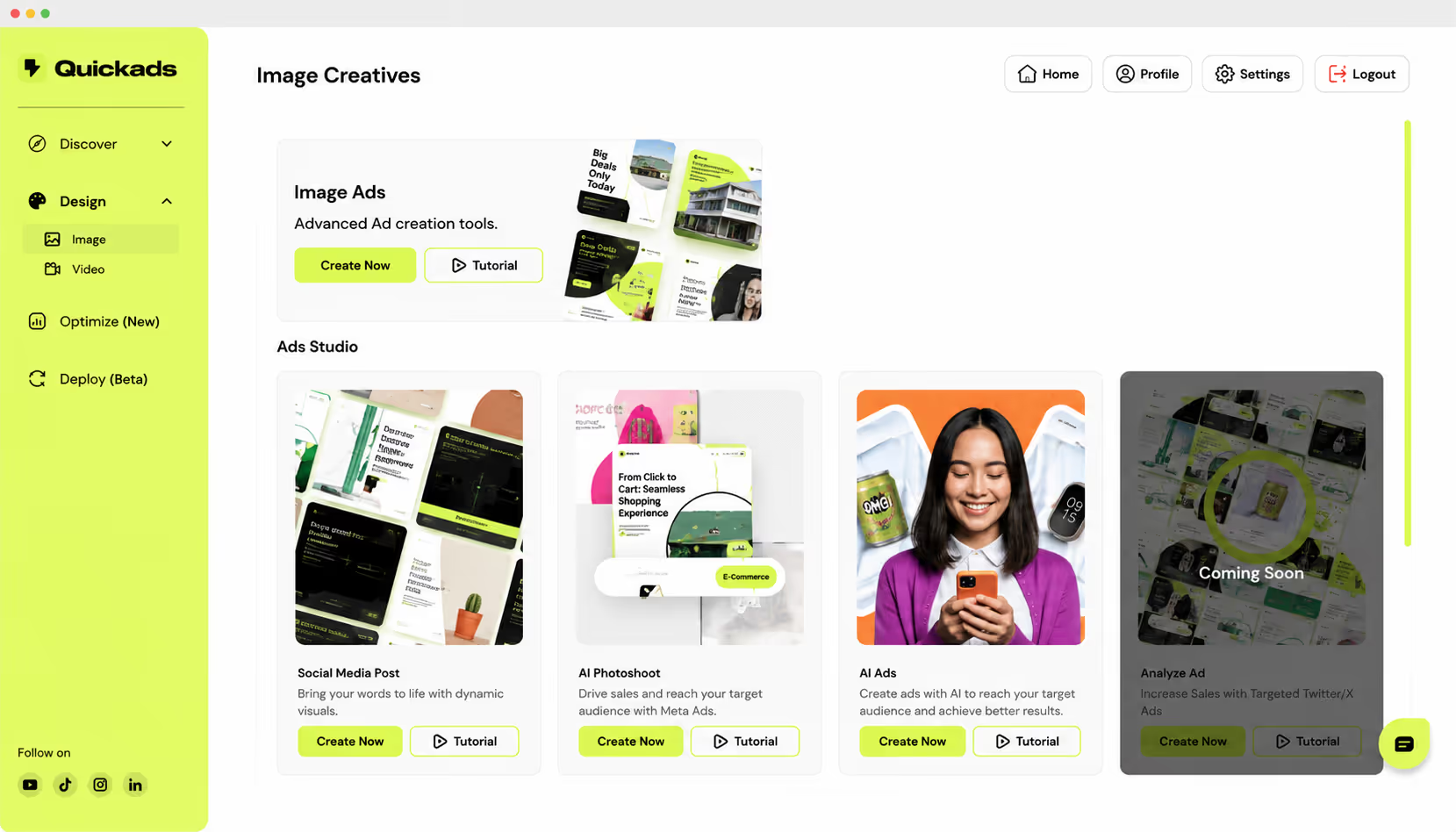
At QuickAds, creator research and the brief are part of the same workflow. Use the relevant work and audience evidence to explain why the creator belongs in the proposed test. Human review still needs to confirm claims, scope and the account’s actual permissions.
Review the creator workflow. A suitable candidate is one input to the test, not a guaranteed lower acquisition cost.
Copy the worked example and blank decision sheet.
Questions before the next decision
Does a good organic post guarantee a good partnership ad?
No. The creator, message, permissions, offer, destination and paid delivery still need a useful test. Organic attention alone does not establish acquisition economics.
Is this a current Meta setup tutorial?
No. This is a planning checklist. Confirm current account eligibility, platform controls and creator permissions in Meta before launch, alongside the agreed usage terms.
Keep the next decision connected
Continue with the creator workflow and creative testing · influencer measurement.
About the author
Nitin Mahajan is the founder of QuickAds, which publishes this guide and sells related software and services.






Privacy is important to us, so you have the option of disabling certain types of storage that may not be necessary for the basic functioning of the website. Blocking categories may impact your experience on the website. View Our Privacy Policy


