
How Dubai Businesses Are Really Adopting AI in 2026: Where It Pays Off and Where It Stalls

I was sitting with a founder in Business Bay a couple of months back. Real estate marketing, forty-odd staff, decent ad budget. He told me, half joking, that his company had “adopted AI” because the design team used an image generator for Instagram posts. Then his ops lead walked in and said their lead follow-up still ran on a shared spreadsheet and three WhatsApp groups.
That gap is the whole story of AI in Dubai right now. Lots of activity at the surface. Much less in the plumbing. So let me share what I’ve actually seen working across marketing and operations, and where things keep getting stuck.
The hype is loud, the adoption is patchy
The UAE AI Strategy 2031 has done a good job of making AI feel like a national mission. Government services are pushing hard, free zones are offering incentives, and every second event in DIFC has “AI” on the banner. That’s good. It sets expectations.
But most Dubai SMEs are not building models or hiring data scientists. In reality they’re trying AI tools one at a time, usually because someone on the team got curious. A few of those experiments stick. Most quietly die after the free trial ends.
Here’s the thing. The businesses getting real value are not the ones with the most tools. They’re the ones that picked two or three boring, repetitive jobs and automated those properly.
Where marketing teams are seeing it pay off
This is the part that’s easiest to measure, so it’s where the wins are most obvious.
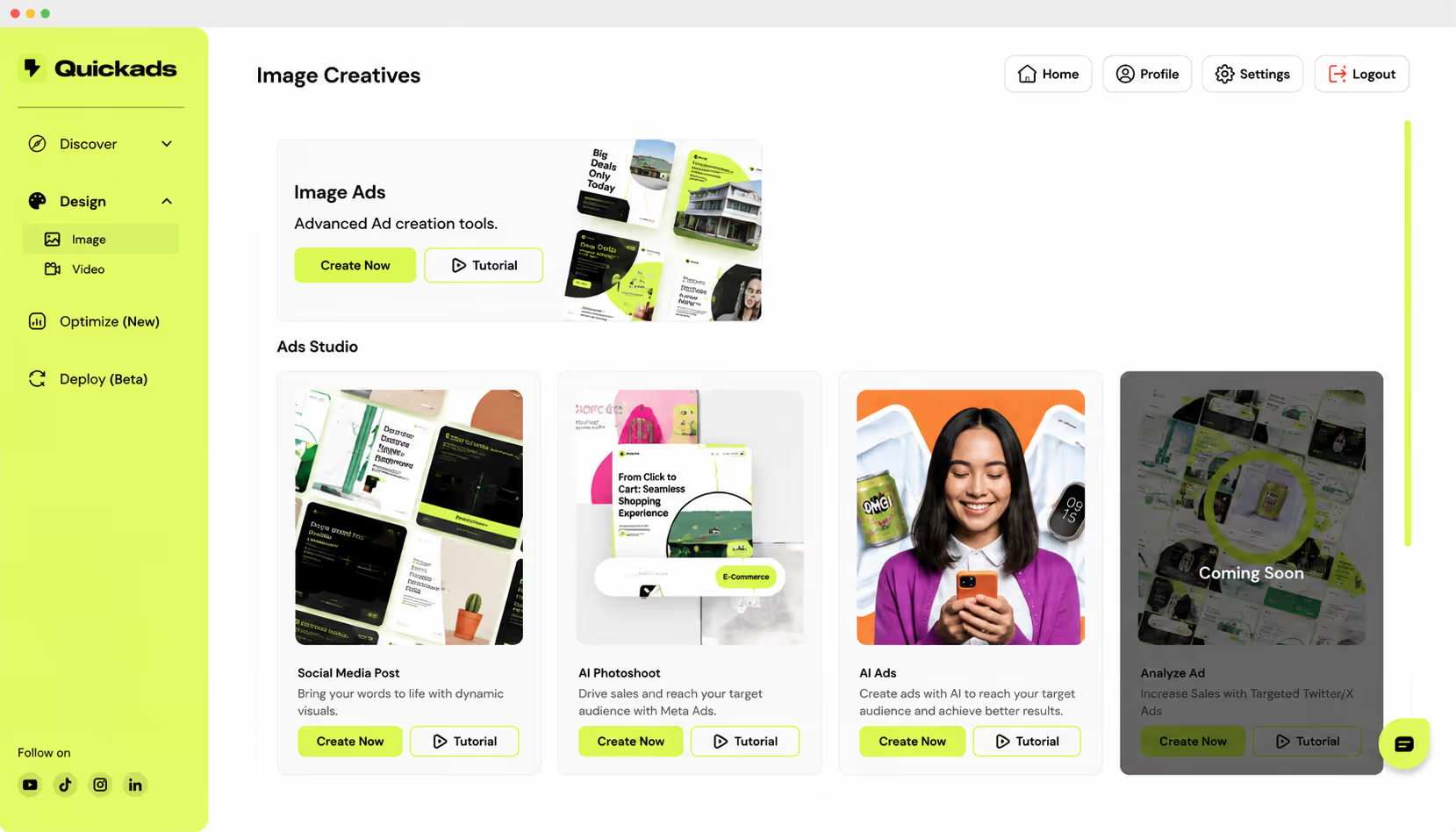
AI ad creative is the clearest one. Agencies and in-house teams here are now producing dozens of ad variations in an afternoon. Different headlines for Emirati, expat and tourist audiences, different formats for Meta, TikTok and Snap, all from one brief. The creative itself isn’t always brilliant. But the volume lets you test faster, and testing faster is what moves cost per lead.
One e-commerce client I worked with moved from four creative refreshes a month to about thirty. Their cost per purchase on Meta dropped by roughly a fifth over a quarter. Not magic. Just more shots on goal.
Marketing automation is the second win, and it’s less glamorous. Lead scoring, follow-up sequences, chat handling in Arabic and English, routing enquiries to the right salesperson. Dubai buyers expect a reply within minutes, especially on WhatsApp. An AI layer that drafts the first response and flags hot leads is now almost table stakes for anyone selling property, cars or high-ticket services.
Content localisation is a quieter third. Arabic copy that doesn’t read like a translation, Hinglish captions for the South Asian audience, short video scripts in three languages. Teams were doing this manually at huge cost. Now it’s a review job rather than a writing job.
Where operations teams are quietly winning
Marketing gets the attention, but if you ask me the operations side is where the bigger money sits.
Invoice matching and reconciliation. Any trading company with a hundred suppliers knows the pain. AI document reading has gone from unreliable to pretty good, and finance teams here are clearing backlogs that used to need two extra hires.
Customer support triage is another. A logistics firm I know runs every inbound email and chat through a classifier before a human sees it. Delivery complaints go one way, billing questions another, sales enquiries a third. Response times halved. Headcount stayed flat while volume grew.
And then there’s the boring stuff. Scheduling for field teams. Demand forecasting for F&B outlets in malls that swing wildly between weekday lunch and weekend evenings. Staff rostering for hospitality. None of it makes a LinkedIn post, all of it adds margin.
Why so many projects stall after the demo
Now this matters more than you think, because the failure pattern is remarkably consistent.
The demo looks great. Leadership gets excited. Then the project hits one of these walls:
- The data is scattered across five systems that don’t talk to each other, and nobody owns cleaning it up.
- The tool works in English but falls over on Arabic or on mixed-language customer messages.
- Nobody defined what “success” means, so three months in there’s nothing to measure against.
- The vendor built a prototype but has no plan for support, updates or what happens when the API changes.
- Staff don’t trust it, so they keep doing the manual process in parallel and the whole thing becomes double work.
I reckon the data one kills more projects than all the others combined. You can’t automate a process that lives in someone’s head and a spreadsheet nobody else can open.
Picking the right people to build with
This is where a lot of Dubai businesses go wrong, to be honest. They either hire a freelancer who vanishes, or they sign with a big consultancy that bills for a year before anything ships.
The middle ground is a proper development partner that has built and maintained real systems, ideally for regulated clients like banks or telcos, because those teams have already learned the hard lessons about data handling and reliability. When people ask me about IT companies in Dubai worth shortlisting, I tell them to look for three things. A portfolio with live products, not just case studies. Engineers who can explain the limits of a model without hiding behind jargon. And a support arrangement that survives the launch.
Ask them how they’d handle a model giving a wrong answer to a customer. If they get defensive, walk away. If they talk about guardrails, human review and logging, keep talking.
A few things that work in practice
Start with one workflow that already has clean data and a clear owner. Lead follow-up is usually a good first pick for marketing teams. Invoice processing for operations.
Measure before you start. Hours spent, cost per lead, response time, whatever fits. Then measure again at ninety days.
Keep a human in the loop for anything customer-facing until you’ve seen a few hundred real interactions. Dubai’s customer base is wonderfully mixed, and your model will meet situations your test data never covered.
And budget for maintenance. Roughly a fifth of what you spent building, every year, is a fair rule of thumb. Teams like Brain Station 23, which has shipped AI and automation work for banks, telcos and other enterprise clients, will usually tell you that upfront. The ones who don’t mention it are the ones to worry about.
Where this is heading
The gap between businesses that automated two or three core workflows and the ones still experimenting is going to widen fast through 2026. Not because the technology is exotic. It isn’t anymore. The difference is discipline. Clean data, clear goals, a sensible partner, patience through the awkward first quarter.
If you’re comparing the top IT companies in Dubai for something like this, talk to the engineers, not just the sales team. That one habit will save you more than any tool.







Privacy is important to us, so you have the option of disabling certain types of storage that may not be necessary for the basic functioning of the website. Blocking categories may impact your experience on the website. View Our Privacy Policy


