
Unlocking Creativity: The Rise of AI That Generates Videos
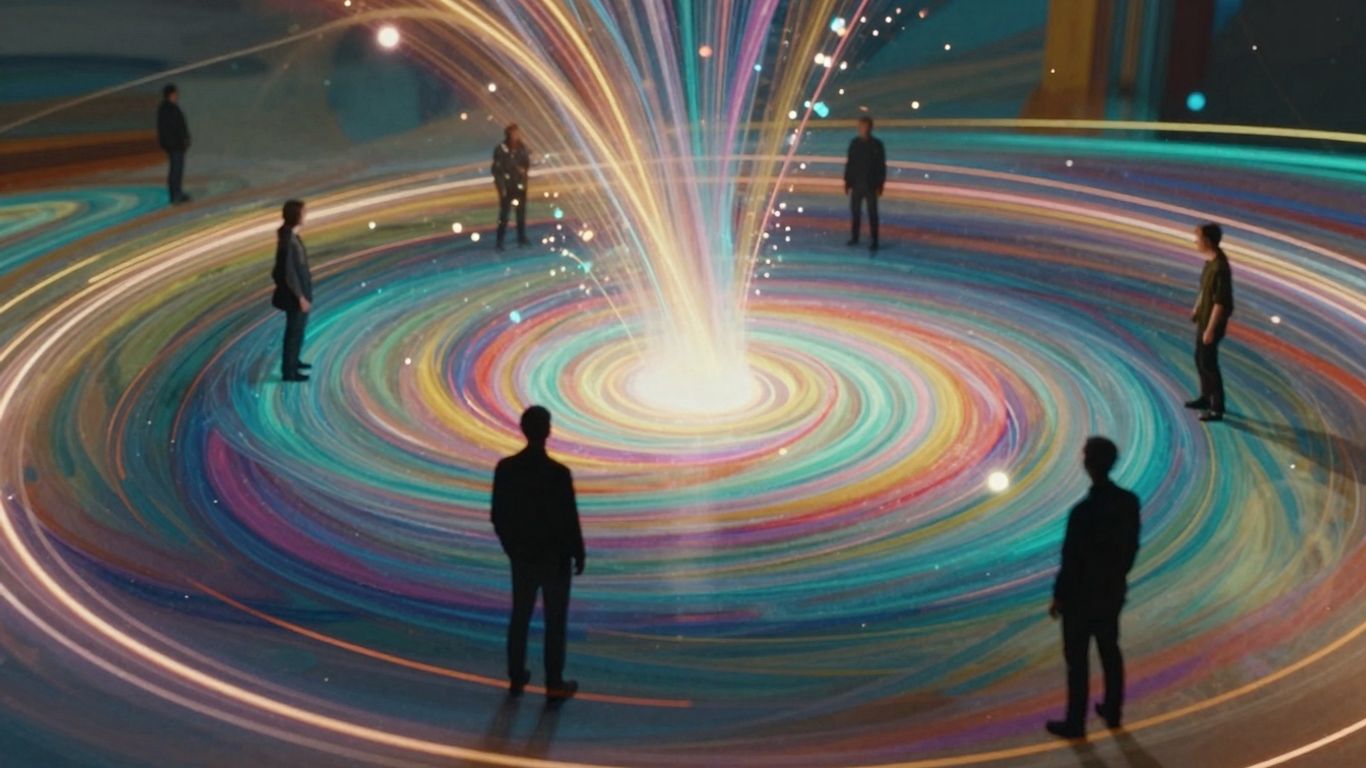
Making videos used to be a big deal, right? You needed fancy cameras, editing software that looked like a spaceship control panel, and a whole lot of time. But now? Things are changing super fast. Artificial intelligence, or AI, is stepping in and making video creation way easier for pretty much everyone. We're talking about AI that generates videos, turning simple ideas into actual video content without all the usual hassle. It’s like having a magic wand for video, and it’s changing how we all create. Once you’ve created your video, Adilo’s video hosting platform offers reliable, secure hosting to ensure your content is delivered smoothly to your audience.
Key Takeaways
- AI that generates videos is making video production much faster and simpler, cutting down on the need for technical skills and expensive gear.
- These AI tools can help with many parts of making a video, like writing scripts, creating voices, editing footage, and even making animated characters.
- Video creation is becoming more accessible, letting people who aren't tech experts make professional-looking videos for social media, learning, or marketing.
- While AI offers many benefits, it's important to think about ethical use, like getting permission for face swaps and being honest about AI-generated content.
- AI is seen more as a helper for human creativity rather than a complete replacement, assisting creators to bring their visions to life more easily.
The Evolving Landscape Of AI Video Generation
It feels like just yesterday that AI video generation was a bit of a novelty, right? You'd type in a few words, and out popped a short, often wobbly, clip. But things have changed. Fast. We're moving way beyond those simple text-to-video tools. Now, AI can actually build out entire scenes that feel almost real, giving creators a lot more control over the final product. It's like the gap between having an idea in your head and seeing it play out on screen is getting smaller and smaller.
From Simple Prompts To Simulated Scenes
Remember when AI generated video was mostly about generating short, abstract clips from a text prompt? That's old news. The tech has gotten seriously sophisticated. We're now seeing AI that can create more complex, almost simulated environments. Models like the Seedance 2.0 AI model are pushing this further, generating highly realistic and cinematic video scenes from simple text prompts with remarkable consistency. This means you can get much closer to the vision you have without needing a massive film crew or a Hollywood budget. It's a big leap from just basic animation to something that feels more like a digital world you can direct.
Addressing The Flood Of Low-Quality Content
Because it's gotten so easy to make videos with AI, there's been a ton of content out there that's, frankly, not very good. People are calling it "AI slop" – you know, the repetitive, low-effort stuff that doesn't really offer anything new. This is why platforms are starting to get pickier. They want to keep their users happy and make sure advertisers are getting their money's worth. So, standing out means making something that's actually interesting and well-made, not just another generic AI clip.
Here's a look at some common complaints creators have run into:
- Poor quality output: Videos that are glitchy, have awkward voiceovers, or just look unprofessional.
- Lack of customization: Tools that offer very little control over the final look and feel, leading to generic results.
- Customer service issues: Difficulty getting help or resolving problems with the AI service itself.
The promise of easy content creation often falls short, leaving creators frustrated and with videos that don't perform well or even get rejected by platforms.
The Growing Generative AI Market Potential
The market for generative AI, which includes video creation tools, is exploding. Experts predict it could reach over a trillion dollars in the next few years. Why? Because video is king online – it makes up a huge chunk of internet traffic, and people love short-form content. Plus, AI tools are becoming more user-friendly, even for people who aren't tech wizards. This means more businesses and individuals are jumping in, driving demand for better and more features.
This growth shows just how much AI is changing how we create and consume visual media.
Transforming Creative Workflows With AI
Remember when making a video felt like a huge undertaking? You'd need fancy cameras, software that looked like a spaceship control panel, and maybe even a whole crew. Well, things are changing, and fast. AI is stepping in to make video creation way less of a headache for pretty much everyone. As demand for more advanced video capabilities grows, many businesses are turning to custom software development services to build tailored AI video platforms that align with their specific workflows, branding needs, and scalability requirements.
Automated Video Editing and Enhancement
This is a big one. Instead of spending hours sifting through footage, AI can now do a lot of the heavy lifting. It can look at your raw clips and pick out the best bits, put them together, and even add things like music or text. It's like having a super-fast assistant who knows exactly what you're going for. Many creators also use tools like Freebeat lyric video maker to quickly turn audio tracks into engaging lyric videos that are optimized for social media sharing and audience engagement.
- Smart Clip Selection: AI identifies engaging moments based on action, expressions, or how a scene is shot.
- Highlight Reels: Quickly generate short, punchy versions of longer videos for social media or trailers.
- Automatic Transitions & Effects: Add smooth cuts, fades, and basic visual flair without manual effort.
The goal here is to cut down on the tedious parts of editing, letting creators focus more on the story and the overall message. It means less time staring at timelines and more time being creative.
Video generator pages make it easier to turn raw footage into polished content using AI-powered editing, transitions, music, and text overlays.
AI-Powered Script and Voice Generation
Staring at a blank page trying to come up with a script? AI can help with that too. You can give it a topic or a few keywords, and it can churn out script ideas or even full drafts. And if you need a voiceover, AI can generate that too, often with different tones and styles. This is a game-changer for solo creators or small teams who can't afford professional voice actors or writers.
Seamless Facial Transformations and Animation
This is where things get really interesting, and maybe a little wild. AI can now take a still photo and make it move. Think of animating a portrait to sing a song or making a character dance. It's pretty wild to see. Plus, face-swapping technology has gotten incredibly good. You can swap faces in videos with surprising realism, which opens up possibilities for fun content, personalized messages, or even special effects in indie films. The realism in these transformations is becoming almost indistinguishable from reality.
Here's a quick look at what's possible:
- Photo Animation: Turn static images into moving visuals with gestures and expressions.
- Face Swapping: Realistic replacement of faces in videos for creative or comedic effect.
- Character Animation: Bringing drawn or photographic characters to life with AI-driven movement.
Democratizing Video Creation For Everyone

It feels like just yesterday that making a decent video meant you needed a whole crew, fancy cameras, and a degree in film school. Now? Not so much. AI is really changing the game, making it way easier for anyone to jump in and create videos. This is a huge shift, opening doors for people who never thought they could make videos before.
Lowering Barriers With User-Friendly Interfaces
Forget complicated software and steep learning curves. Many of these new AI video tools are built with regular folks in mind. Think simple drag-and-drop features, pre-made templates, and interfaces that feel more like using a social media app than professional editing software. Tools like Canva, for example, started as a graphic design platform but now have AI-powered video editing that's pretty straightforward. You can take your ideas and turn them into something visual without getting bogged down in technical details", explains Brian Lim, CEO of iHeartRaves & INTO THE AM.It's about making the process accessible, so you can focus on your message, not the buttons.
Empowering Non-Technical Creators
This is where things get really interesting. If you're not a tech whiz or a seasoned video editor, you might have felt left out. But AI is changing that. You can now generate scripts, create realistic voiceovers from text, and even produce animated characters or avatars to present your content. This means educators can make more engaging lessons, small businesses can create marketing videos without a big budget, and individuals can share their stories more effectively. It's like having a virtual production team available 24/7, ready to help bring your vision to life. The demand for video content is massive, and AI tools help meet that need without requiring specialized skills. This has led to a significant increase in the use of AI content creation tools, with many marketers already adopting them. As AI video creation becomes more cloud-driven and collaborative, stable internet access plays a crucial role in maintaining smooth workflows. Creators working remotely or traveling often rely on a flexible eSIM data plan to upload large video files, manage AI rendering tools, and stay connected across devices without interruptions. Pairing advanced AI video platforms with reliable mobile connectivity ensures faster production cycles, seamless collaboration, and consistent content delivery from virtually anywhere.
Unlocking Imagination With Visual Magic
What does this all mean for creativity? It means more people can experiment and bring their unique ideas to the screen. You don't need expensive equipment or years of practice to start. AI can handle a lot of the heavy lifting, from generating backgrounds to animating scenes. This allows for a different kind of creative expression, where the focus is on the story and the message. It’s about making visual storytelling available to everyone, regardless of their background or technical know-how. The generative AI market is expected to grow substantially, partly because of its widespread adoption across different industries.
The core idea is that AI tools are making video production less about technical skill and more about creative vision. This democratization means a wider range of voices and stories can now be shared through the powerful medium of video, something that was previously out of reach for many.
Here's a quick look at how AI simplifies things:
- Script to Video: Turn written text into a full video with visuals and narration.
- AI Avatars: Use virtual characters to present your content, removing the need for on-camera talent.
- Automated Editing: AI can help select the best clips, add transitions, and sync audio, speeding up the post-production process.
- Content Transformation: Easily convert blog posts or articles into engaging video formats.
Key Applications Of AI That Generates Videos
AI video generation isn't just a novelty; it's becoming a practical tool across many fields. Think about it: creating video content used to take a lot of time and money, needing skilled people for writing, filming, and editing. Now, AI is changing that game. It's making video creation more accessible and efficient for everyone.
Faceless Content and AI Avatars
One big area where AI video shines is in creating content without showing a real person's face. This is super useful for businesses that want to maintain a consistent brand image or for creators who prefer to stay behind the scenes. AI can generate realistic avatars that speak your script, complete with different voices and languages. This is great for things like:
- Training videos: Keep your employees updated with consistent, clear instruction.
- Product explainers: Show off your product's features and prepare demo presentations without needing an on-screen presenter.
- Company announcements: Deliver important messages to your team, no matter where they are.
These AI presenters can speak in dozens of languages, making global communication much simpler. It's a smart way to produce professional-looking videos without the usual hassle of hiring actors or dealing with complex filming setups.
Educational Video Creation and Engagement
In education, AI video tools are a real game-changer. Teachers can quickly create engaging video lessons that cater to different learning styles. Many educators are also combining these technologies with specialized AI tools for English teachers to improve writing instruction, reading comprehension, and classroom communication. Imagine generating a personalized explainer video for a student struggling with a concept, or turning a dry lecture into a dynamic visual presentation. Students can also use these tools for projects, developing both their ideas and their technical skills. This technology helps make learning more interactive and memorable. It's a big step up from traditional methods, especially for remote or hybrid learning environments.
Personalized Marketing and Interactive Content
Marketers are finding AI video to be incredibly powerful for connecting with customers. Instead of generic ads, AI can create videos that feel personal. A video might greet a potential customer by name, mention their specific interests, or adapt its message based on how they've interacted with the brand before. This level of personalization can really grab attention. Studies show that personalized video campaigns get much higher engagement rates, leading to better results. AI also enables interactive video experiences, where viewers can make choices that change the video's path, making the whole experience more engaging. You can explore some of the top AI video generators for 2025 to see how they can help boost your content strategy.
AI is making it possible to create videos that feel custom-made for each viewer. This isn't just about adding a name; it's about tailoring the entire message and experience to individual preferences and behaviors. The result is content that feels more relevant and impactful, driving better connections and conversions.
Navigating The Future Of AI-Generated Media
So, we've talked about how AI can make videos, and it's pretty wild stuff. But like anything new and powerful, there are some things we really need to think about as this tech keeps growing. It's not just about pressing a button and getting a movie; there are real-world effects to consider.
Ethical Considerations And Data Privacy
This is a big one. When AI makes videos, especially those that look super real, we have to be careful. Think about those deepfake detector videos – they can be used to spread lies or make people look bad. It's important that we're honest about what's AI-made and what's not. Plus, where does all the data that trains these AI models come from? We need to make sure people's information is protected and that the AI isn't learning from stuff it shouldn't be. Transparency is key to building trust in AI-generated content.
AI As A Complement, Not A Replacement
Some folks worry that AI will take away jobs from video editors, animators, and other creative pros. But honestly, it's more likely to be a tool that helps them out. Imagine an editor using AI to quickly sort through hours of footage or an animator using it to speed up repetitive tasks. It's about working smarter, not just replacing people. The human touch, the creative vision, that's still what makes content special. AI can handle the grunt work, letting creators focus on the bigger picture. The 2025 McKinsey Global Survey on AI shows how AI is already adding value across industries.
The Importance Of High-Quality Inputs
Garbage in, garbage out, right? It's the same with AI video. If you feed the AI bad data – blurry images, unclear instructions, or just plain boring ideas – you're going to get a bad video. The quality of the final product really depends on what you start with. So, taking the time to prepare good source material, whether it's clear photos or well-written scripts, makes a huge difference. It's not just about the AI; it's about how you use it.
Here are a few things to keep in mind for better results:
- Clear Prompts: Be specific about what you want. Instead of "a dog," try "a golden retriever playing fetch in a sunny park."
- Good Source Material: Use high-resolution images and clear audio if you're providing any.
- Iterative Refinement: Don't expect perfection on the first try. Be prepared to tweak your prompts and regenerate.
The ease of creating videos with AI has led to a lot of content that feels samey. Platforms are starting to notice, and users are getting tired of seeing the same old thing. To stand out, creators need to think beyond just generating something quickly. It's about adding a unique perspective or telling a story that matters.
It's a bit like cooking. You can have the best oven in the world, but if you only have stale bread and old cheese, your sandwich isn't going to be great. The AI is the oven; your input is the ingredients. Making good food takes good ingredients and a bit of skill.
Innovative Use Cases In The AI Video Sphere
Brand Campaigns Leveraging AI Art
Companies are finding some really cool ways to use AI art in their ads. Think about Coca-Cola's campaign where they let people make AI art using the brand's look. It wasn't a full video, but the social media stuff and pictures they used were made with AI tools and then put together into moving content. It's a smart way to get people involved and create visuals that feel fresh and modern. This kind of approach can really grab attention.
Capitalizing On Viral AI Trends
Sometimes, a weird AI video pops up online and gets everyone talking. Brands are learning to jump on these trends fast. Pizza Hut did this perfectly. When a fake pizza chain video went viral, they leaned into it, even changing their name for a bit and making ads that looked like the AI video. It shows how quickly you can react and use what's popular to get people interested. It’s all about being quick and a little bit playful.
Bringing Static Images To Life
This is pretty wild – AI can now take a single picture and turn it into a video with music. You upload a photo, pick a style, and suddenly it's moving, maybe even dancing. It’s not just simple movements either; some tools can make it look like a real person dancing. This is great for making content that stands out on places like TikTok or Instagram Reels without needing a whole film crew. It’s like magic for your photos.
The Future of Video Creation is Here
So, what does all this mean for us? Basically, making videos isn't some big, scary thing anymore. AI tools are making it way easier for anyone to jump in and create something cool, whether it's for fun, for work, or for school. It’s not about replacing human ideas, but more about giving us better tools to bring those ideas to life, faster and maybe even better than before. It feels like we're just scratching the surface of what's possible, and it's going to be interesting to see how this tech keeps changing how we tell stories and share information through video.
Frequently Asked Questions
What exactly is AI video generation?
Think of AI video generation like having a super-smart assistant that can create videos for you. Think of AI video generation like having a super-smart AI assistant that can create videos for you. You give it some ideas, maybe write a short description or provide a picture, and the AI uses its knowledge to make a video. It's like magic for making movies, but done by computers!
Do I need to be a tech expert to use these AI video tools?
Not at all! Many of these tools are made to be super easy to use. You don't need to know complicated computer stuff. You can often just type what you want or click a few buttons, and the AI does the hard work. It's like using a simple app on your phone.
Can AI really make videos that look good?
Yes, AI video tools are getting really good! They can make videos that look professional, with smooth movements, clear pictures, and even realistic voices. Sometimes they can even make pictures dance or change faces in a video, making it look like a real movie scene.
Will AI take over jobs from video creators?
AI is more like a helpful tool for creators, not a replacement. It can handle the boring or difficult parts, like editing or writing scripts, so people can focus on the creative ideas. It helps make things faster and easier, but human creativity and ideas are still super important.
What are some cool ways people are using AI to make videos?
People are using AI for all sorts of things! They make fun videos for social media, create animated characters to tell stories, make educational videos easier to understand, and even create personalized ads for businesses. It's also used to make old videos look better or bring still pictures to life.
Are there any rules or things to be careful about when using AI videos?
It's important to be responsible. Always make sure you have permission if you're using someone's face or likeness. Also, be honest about your videos and don't try to trick people. Some websites might have rules about AI videos, so it's good to check those too. Using good quality pictures or ideas makes the AI videos turn out much better!








Privacy is important to us, so you have the option of disabling certain types of storage that may not be necessary for the basic functioning of the website. Blocking categories may impact your experience on the website. View Our Privacy Policy


