
Unlocking Content Creation: The Rise of Faceless AI Videos
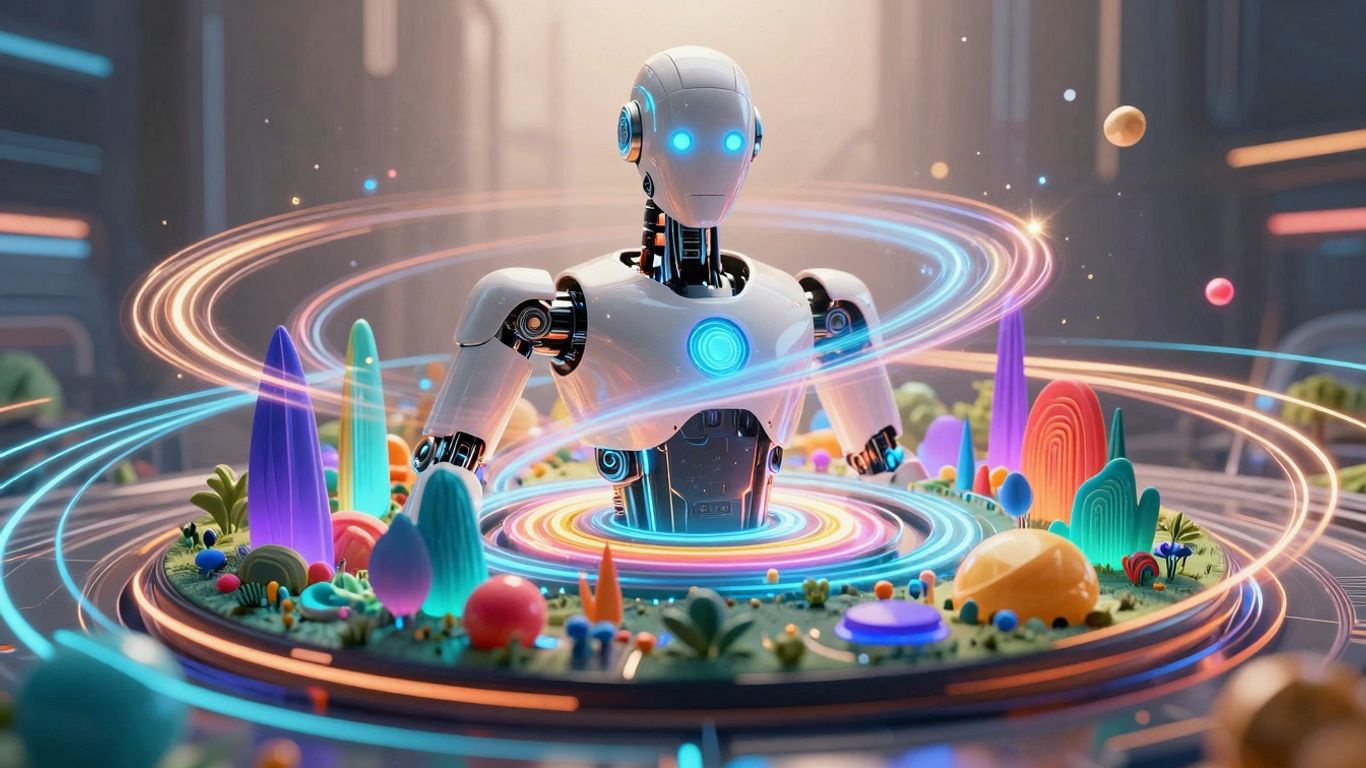
It feels like everywhere you look these days, there's talk about AI and making videos. One of the newer trends is this idea of 'faceless' videos, where you don't actually have to show your face. Tools are popping up that promise to make this super easy, basically letting you churn out content without much fuss. But is it really that simple? We're going to look at what these faceless AI videos are all about, how they're changing things for creators, and if they're worth the hype or just a quick way to run into trouble.
Key Takeaways
- Faceless AI videos use artificial intelligence to create content, like avatars and voiceovers, without the creator needing to be on camera.
- This trend makes video creation more accessible and cheaper for people who don't have professional equipment or acting skills.
- AI video tools speed up how quickly content can be made, which is great for social media, marketing, and online learning.
- Using faceless AI content can be risky due to platform rules against low-quality or repetitive material, potentially leading to channel penalties.
- To succeed with faceless AI videos, creators should focus on making unique, valuable content and building a strong brand identity, using AI as a helper rather than a complete replacement.
Understanding The Rise Of Faceless AI Videos
It feels like just yesterday that making videos meant you had to be on camera, right? You needed good lighting, a decent microphone, and the guts to put yourself out there. But things have really shifted. We're seeing a huge wave of content creators who never show their faces. They're using a mix of narration, stock footage, and sometimes even AI-generated characters created with a 3D image generator to tell their stories or share information. This whole 'faceless' approach isn't entirely new, but the AI revolution has supercharged it, making it way more accessible for pretty much anyone.
What Constitutes Faceless AI Content?
Basically, faceless AI content is any video where the creator's face isn't the main focus, or isn't shown at all. Instead of a person talking to the camera, you might see:
- Animated characters or AI avatars that deliver the script.
- Screen recordings demonstrating software or a process.
- Stock footage or images combined with a voiceover.
- Text-based videos with animated words and graphics.
The core idea is to deliver information or a narrative without relying on the creator's personal on-screen presence. This allows for a different kind of connection with the audience, one that's more about the message itself.
The shift towards faceless content isn't just about hiding; it's about streamlining production and focusing on the core message. It democratizes video creation, allowing more people to share their ideas without the traditional barriers of being on camera.
The AI Revolution in Video Creation
AI has changed the game for video. Tools that used to require a lot of technical skill or expensive software can now be handled by AI. Think about it: AI can help write scripts, generate realistic voiceovers, create visuals, and even put it all together. This means you can go from an idea to a finished video much faster than before. It's like having a whole production team available 24/7, right on your computer.
Key Features of Faceless AI Videos
These AI tools come with some pretty neat features that make creating videos easier:
- AI-Generated Avatars: You can pick or create virtual characters that speak your script. They can even show different emotions.
- Text-to-Speech: AI can read your script in a natural-sounding voice. You can often choose different accents and genders.
- Automated Editing: Some tools can automatically sync visuals with the audio and add transitions, making the editing process much quicker.
- Script Assistance: Certain AI platforms can even help brainstorm or draft video scripts based on a topic you provide.
Revolutionizing Content Creation With AI
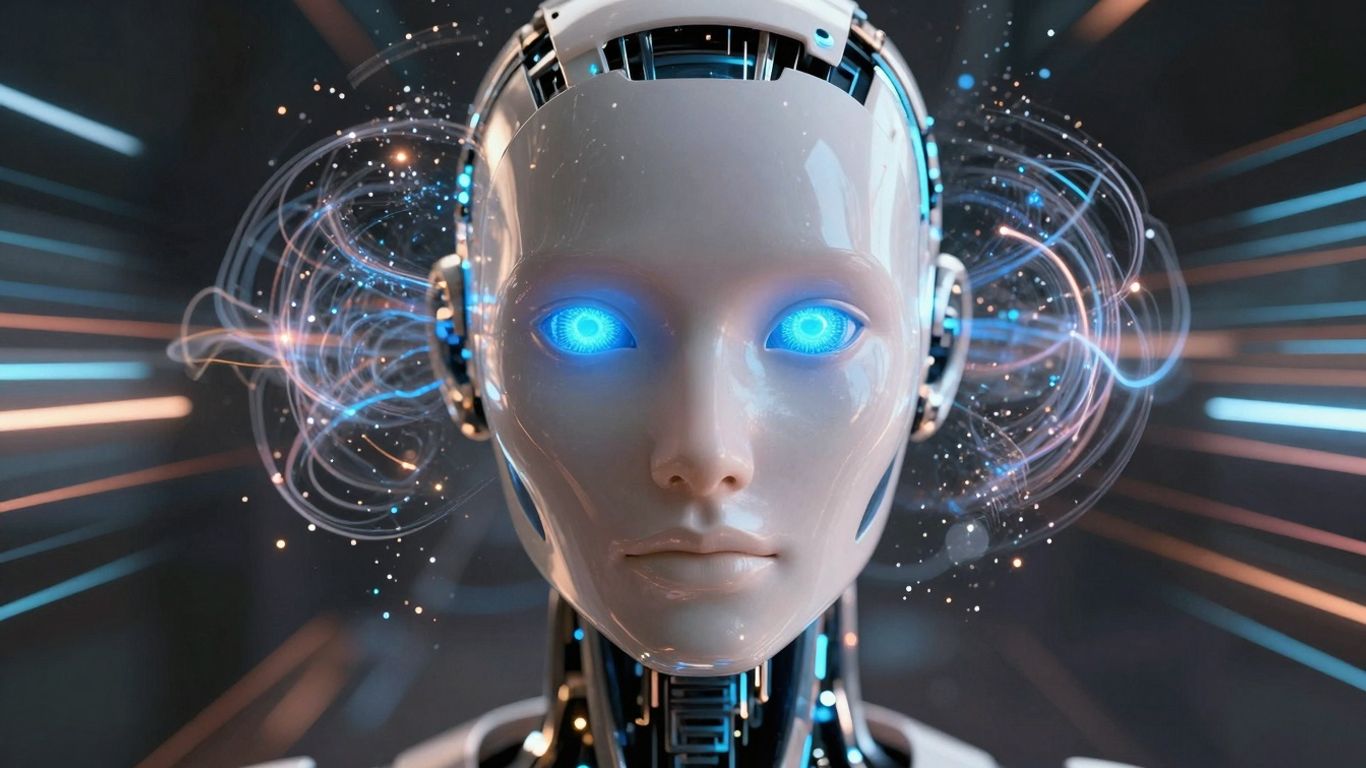
Making videos used to be a big deal. You'd need cameras, lights, maybe even actors, and a whole lot of time. It felt like a club only a few people could join. But now? Things are changing fast, thanks to AI. It's like someone handed everyone a magic wand for making videos, and it's making things way more open for creators.
Accessibility For Creators Of All Levels
This is a huge one. Before, if you wanted to make a decent-looking video, you either had to know what you were doing or pay someone who did. Now, AI tools let pretty much anyone jump in. You don't need a film degree or a fancy studio. The AI can handle a lot of the heavy lifting, like creating animated characters or generating a voiceover from just text. It means more people can share their ideas through video, which is pretty cool.
Here's a quick look at what AI handles:
- Script to Screen: AI can help write scripts or turn your text into a spoken narration.
- Virtual Performers: It can create animated characters that look and move like real people, but without needing an actor.
- Backgrounds & Effects: AI can generate or suggest visuals and backgrounds to match your video's theme.
Cost-Effective Video Production
Let's be real, making videos can cost a fortune. Hiring people, renting gear, editing software – it all adds up. Faceless AI videos cut down on a lot of those expenses. You're not paying for actors' time or studio rentals. The AI does the work, which means you can make more videos without draining your bank account. This is a game-changer for small businesses or individuals just starting out.
Think about the savings:
- No Actor Fees: AI avatars are free after the software cost.
- Reduced Equipment Needs: You don't need expensive cameras or lighting setups.
- Faster Editing: AI often speeds up the editing process significantly.
The biggest shift is that the barrier to entry for video production has dropped dramatically. What once required a team and a budget can now be done by one person with a computer and an idea.
Accelerated Content Creation Workflows
Time is money, right? AI video tools speed things up like crazy. Instead of spending days or weeks planning, shooting, and editing, you can get a video done much faster. The AI can generate drafts, create visuals, and even put it all together. This means creators can produce content more often, keeping their audience engaged and staying relevant in the fast-paced online world. It frees up creators to focus on the creative side, like coming up with new ideas and refining their message, rather than getting bogged down in the technical stuff. As these technologies continue to evolve, an AI video generator can further streamline the process by automatically transforming ideas, scripts, or prompts into ready-to-publish videos, helping creators produce high-quality content more efficiently.
Impact On Various Creator Sectors
Empowering Social Media Influencers
For folks on platforms like YouTube, TikTok, and Instagram, these AI video tools are a game-changer. Social media lives and breathes video, and AI lets creators pump out good-quality stuff way faster and more often. Think informational videos, quick product reviews, or even funny skits – AI makes it possible to keep the content flowing without needing a huge team or constant personal filming. It’s less about being on camera and more about getting the message out there consistently.
Transforming Marketing And Brand Campaigns
Businesses are really starting to lean into AI for their ads. Imagine creating custom ads for different groups of people or languages without a massive production crew. Faceless AI videos are perfect for explaining how a product works, showing it off, or just getting the word out. They can be tweaked easily for any audience and sent out everywhere. This means brands can be more targeted and efficient with their advertising spend.
Enhancing Education And E-Learning
The education world is seeing big changes too. Teachers and online learning sites can now use AI characters to teach lessons or guide students. This means lessons can be made more interesting without needing a live teacher in every video. Plus, these videos can be made in different languages, making learning available to more people around the globe. Along with that, a white-label website can help education platforms present these AI lessons under their own brand for a more consistent learning experience. AI helps speed up the process of making learning materials, so educators can focus more on teaching and less on the technical side of video making.
The shift towards faceless AI content isn't just about saving time or money; it's about democratizing video creation. It allows a wider range of voices and ideas to be shared visually, regardless of a creator's comfort level with being on camera or their budget for traditional production.
Here's a quick look at how different sectors are benefiting:
- Social Media: Increased content output, ability to test more formats, and maintain a consistent presence.
- Marketing: Cost-effective ad creation, personalized campaigns for specific demographics, and faster turnaround for promotional materials.
- Education: Development of engaging, multilingual learning modules and tutorials, making educational content more accessible.
Navigating The Risks Of Faceless AI

While the idea of churning out videos with AI without showing your face sounds pretty sweet, it's not all smooth sailing. There are some real downsides to watch out for, and ignoring them could cause some serious headaches for your channel or brand.
Platform Policy Violations
Most major platforms, like YouTube, are getting pretty smart about content. They're starting to crack down on what they call "inauthentic content." Basically, if your videos look like they were just spat out by a machine with no real thought or originality, they might flag them. This could mean demonetization, or worse, your whole channel getting taken down. It's a big gamble if you're just pumping out generic stuff.
- Mass-produced, repetitive content: Videos that are too similar to each other or lack unique value.
- Misleading metadata: Using titles, descriptions, or thumbnails that don't accurately represent the video content.
- Low-effort compilations: Simply stitching together clips without adding commentary or a new perspective.
The platforms want to keep users engaged with content that feels genuine and provides actual value. Automated, low-quality videos just don't fit that bill anymore.
Concerns Over Content Originality
This is a big one. If you're using AI to generate videos, how original is it really? Many AI tools pull from existing data, and there's a growing concern about copyright infringement and plagiarism. Plus, if your content is indistinguishable from thousands of other AI-generated videos, it's hard to stand out and build a loyal audience. People want something fresh, not just a rehash.
Analyzing User Complaints And Experiences
Looking at what other people are saying can save you a lot of trouble. Many users of AI video tools report issues that go beyond just getting flagged by platforms. Some common complaints include:
- Poor quality output: Videos that are glitchy, have awkward voiceovers, or just look unprofessional.
- Lack of customization: Tools that offer very little control over the final look and feel, leading to generic results.
- Customer service issues: Difficulty getting help or resolving problems with the AI service itself.
It seems like the promise of easy content creation often falls short, leaving creators frustrated and with videos that don't perform well or even get rejected by platforms.
The Evolving AI Video Market Landscape
The world of AI video is changing fast, and it's not just about making simple videos anymore. We're seeing a big shift from just generating basic clips to creating more complex, almost simulated scenes. Think about it: tools that used to just put text on screen are now getting really good at making realistic, controllable video sequences. It's like the gap between having an idea and actually seeing it on screen is shrinking.
Trends From Generation To Simulation
This evolution is pretty wild. We're moving past just typing in a prompt and getting a short video. New tech is making it possible to create scenes that feel more real, with better control over what's happening. This means creators can get closer to their vision without needing a huge production crew.
The Backlash Against Low-Quality AI Content
Because it's become so easy to make videos with AI, there's been a huge flood of content that's, well, not great. People are calling it "AI slop." It's basically repetitive, low-effort stuff that doesn't offer much new. This is why platforms like YouTube are starting to get stricter. They want to keep their users happy and make sure advertisers are getting good value. It's a tough spot for tools that just churn out generic videos.
The ease of AI video creation has led to a surge in unoriginal content, prompting platforms to enforce stricter rules to maintain user experience and advertiser trust.
Future Of AI Video Generation
So, what's next? The market is growing like crazy. Estimates show it could be worth billions in just a few years. Companies are using AI video to cut costs and speed up how fast they can make stuff. We're also seeing a push for more personalized videos, especially in marketing. The tools that will do well in the future will probably be the ones that give creators more control, help them build a unique style, and encourage original ideas instead of just copying.
Here's a quick look at the market growth:
This means the technology is only going to get more advanced, and creators will need to adapt to stay ahead.
Strategies For Successful Faceless AI Content
So, you're looking to make videos without showing your face using AI. It sounds easy, right? Just type something in and boom, a video appears. But honestly, just churning out content like that is a fast track to nowhere. Most channels trying this approach don't make it. It's not about the format being bad; it's about how people are using it. If you want your channel to actually stick around and maybe even make some money, you need a real plan.
Prioritizing Originality and Value
Think of AI as your helper, not the boss. It can help you come up with ideas, make your visuals look better, or even clone your voice so it sounds consistent. But don't just take someone else's stuff and slap a robot voice on it. That's a quick way to get flagged by platforms. Instead, focus on topics that really need good research or interesting commentary. Channels that do well often dig into things like history, science, or explain complex topics in a way that's easy to follow. The goal is to give people something they can't easily find elsewhere. This kind of value is what keeps people watching and what platforms like to see.
Building a Distinct Brand Identity
Since people aren't seeing your face, they need something else to connect with. That's where your brand comes in. You need to be consistent. This means having a logo that's always the same, using the same colors and fonts, and having a voice that people recognize. Whether you use your own voice or a specific AI voice you like, make it yours. This makes your videos feel put together and builds trust over time. It's like a signature for your content. A strong brand helps you stand out in a crowded space.
Leveraging AI as an Assistant, Not a Replacement
It's easy to get caught up in how fast AI can make videos. But remember, the best creators use AI to make their own work better, not to do all the work for them. You still need to be the one with the ideas and the vision. Use AI tools to speed up parts of the process, like editing or generating initial script drafts, but always add your own touch. As AI-generated scripts are produced at scale, language can start to feel repetitive or mechanical. Many creators refine drafts using a leading AI text humanizer to ensure the final output reads naturally and stays engaging. This human element is what makes content interesting and unique. It's about working smarter, not just faster. For example, you could use AI to help you publish videos more consistently, but the script and the core message should still be yours.
The real trick to making faceless AI videos work long-term isn't about finding a loophole; it's about using the technology smartly. It means focusing on what makes your content special and making sure it's something people actually want to watch, rather than just churning out endless, forgettable videos. Quality and a unique perspective will always win out over sheer volume.
The Takeaway: AI Video Tools Are Here, But Use Them Wisely
So, where does this leave us with AI video tools? It's clear they're changing the game for content creators, making it way easier and cheaper to get videos out there. You can pump out content faster than ever, and you don't even need to be on camera. That's a big deal for a lot of people. But, and this is a pretty big 'but,' just hitting a button and letting the AI do everything can be a risky move. Platforms are getting smarter about low-effort content, and your channel could be in trouble if you're not careful. The real winners will be those who use these tools to help their own ideas shine, not just to churn out generic stuff. Think of AI as a helpful assistant, not a replacement for your own creativity. The future is about smart use, not just automation.
Frequently Asked Questions
What exactly are 'faceless AI videos'?
Faceless AI videos are videos where you don't see the creator's face. Instead, they use computer-generated characters (avatars), AI-generated voices, and sometimes animated pictures or screen recordings to tell a story or share information. Think of it like a digital puppet show powered by smart computer programs.
Why are so many creators using AI to make videos now?
Making videos the old way can be tough and expensive! You might need cameras, lights, and even actors. AI tools make it much easier and cheaper to create videos. You can make them faster, and you don't need to be on camera yourself, which opens up video making to more people.
Can anyone make these AI videos, even if they're not tech-savvy?
Yes, that's one of the big draws! Many AI video tools are designed to be simple to use. You often just type in what you want to say, and the AI helps create the script, find pictures, and even make a voice. It's like having a helpful assistant for making videos.
Are there any downsides or risks to using AI for videos?
Definitely. Some platforms, like YouTube, are getting stricter because they're seeing too many videos that are low-quality or just copies of each other. If your AI videos aren't original or don't offer real value, your channel could be flagged or even removed. Plus, some AI tools might not be very good, leading to awkward videos.
Who owns the videos I make with AI?
This can be tricky and depends on the specific AI tool you use. Some tools let you own everything you create, while others might have rules about how you can use the videos. It's super important to read the terms and conditions of the AI service you choose to understand who owns the content and what you can do with it.
Is it better to use AI as a helper or to let it make the whole video?
Most experts agree that using AI as a helper is the best way to go. Think of it as a tool to speed up your work, like helping you write a first draft or find images. The most successful creators use AI to help them make their own unique ideas better, rather than just letting the AI create everything from scratch. This helps make your content stand out and feel more real.








Privacy is important to us, so you have the option of disabling certain types of storage that may not be necessary for the basic functioning of the website. Blocking categories may impact your experience on the website. View Our Privacy Policy


