
Unlock Your Content Potential: The Ultimate Guide to Creating Engaging Faceless Videos

Making videos without showing your face is becoming a big thing. Lots of people are doing it because it lets them stay private and get creative with how they tell stories. It’s a good option if you like keeping to yourself, want your work to really stand out, or just enjoy a bit of mystery. Plus, it makes people pay more attention to what you're actually saying or showing, instead of focusing on who you are. If this sounds interesting, stick around because we're going to break down how to make awesome videos without ever being on camera. We'll cover why they work, what tools you need, how to make them engaging, and even how to make some money from them.
Key Takeaways
- Faceless videos appeal to audiences by focusing on content substance and offering creators privacy and anonymity.
- A wide range of video ideas, from animations to tutorials, can be successfully created without showing your face.
- Essential tools include animation software, screen recorders, and video editors to produce polished faceless content.
- High-quality audio, engaging visuals, and a clear voiceover technique are vital for captivating viewers.
- Consistent posting, social media promotion, collaborations, and SEO are key strategies for growing a faceless video channel.
Understanding The Appeal Of Faceless Videos
Why Faceless Content Captivates Audiences
It might seem a bit strange at first, right? Making videos without showing your face. But honestly, it’s becoming a really popular way to create content online. A lot of people are getting more private these days, and they don't necessarily want their face plastered all over the internet. This approach lets creators focus purely on what they're talking about or showing, rather than worrying about how they look on camera. It’s like letting the message do all the talking. The core appeal lies in shifting the viewer's attention from the presenter to the presentation itself. This means your information, your story, or your skills take center stage. For example, a tutorial on how to fix a leaky faucet doesn't need to show the presenter's face to be effective; it just needs to clearly demonstrate the steps. This focus on substance is a big draw for many viewers who are tired of the usual vlogging style. It's a way to get straight to the point.
Substance Over Appearance
In a world that can sometimes feel a bit superficial, faceless videos bring things back to basics: the actual content. When you’re not focused on looking good for the camera, you can pour all that energy into making your video as informative, entertaining, or helpful as possible. This means better scripting, clearer explanations, more engaging visuals, and a stronger overall message. Think about the difference between watching a cooking show where the chef is constantly talking about their outfit versus one where they just show you how to make a delicious meal. The latter is usually more effective, right? Faceless videos operate on that same principle. The goal is to deliver value, and the absence of a face helps ensure that value is front and center. It’s about the 'what' and the 'how,' not the 'who.'
This approach is particularly effective for:
- Educational Content: Explaining complex topics clearly.
- Tutorials: Demonstrating processes step-by-step.
- Storytelling: Focusing on the narrative and emotional impact.
By removing the visual of a person, you create a cleaner canvas for your message to shine through, making it easier for your audience to absorb and appreciate what you have to offer. It's a smart way to build a following based on what you know, not just who you are. Many creators are experimenting with faceless video ideas because it paves the way for privacy and imaginative storytelling.
Privacy And Anonymity Benefits
Let's be real, not everyone wants to be a public figure. For many, the idea of putting their face online is just not appealing. Faceless videos offer a fantastic solution. They allow creators to share their knowledge, passion, or creativity without revealing their identity. This is great for people who are naturally shy, want to keep their professional and personal lives separate, or simply prefer to maintain a degree of mystery. It removes the pressure of personal branding and allows the content itself to be the star. Plus, it can be a safer option for some, avoiding potential online harassment or unwanted attention. It's a way to connect with an audience on a deeper level through shared interests, rather than personal recognition. This anonymity can actually make audiences more curious, wondering who is behind the compelling content, which can sometimes boost watch time. It's about letting your work speak for itself.
Exploring Diverse Faceless Video Ideas

So, you're ready to make videos but don't want your face in them? Totally doable. There are tons of ways to create content that grabs attention without you needing to be on camera. It's all about focusing on what you're showing and saying. Let's look at some popular types of videos that work really well without a visible host.
Whiteboard Animations and Visual Explanations
Think of those videos where a hand draws things on a whiteboard as someone talks. They're great for explaining complicated stuff in a simple way. You can show diagrams, flowcharts, or just quick drawings that pop up as the explanation goes on. It makes abstract ideas feel more real. You can film your own hands doing the drawing, or use software to make it happen digitally ,or work with professional whiteboard animation services if you want a more polished result. The key is to keep the visuals moving and the explanation clear. This style is fantastic for educational content or breaking down complex topics. You can find some great faceless YouTube channel ideas that use this method.
Screen Recording Tutorials
Guiding viewers step-by-step through software or website features can be extremely helpful. This style shows exactly what’s on your computer screen while you narrate in the background. Topics might range from using Excel formulas to navigating design tools. Tools like OBS Studio or Camtasia can capture your screen. People appreciate tutorials that answer their questions or solve an immediate problem. It’s a practical approach for sharing knowledge.
Stop-Motion Creations
This might take a bit more time, but the final product can look really cool. Stop-motion transforms everyday objects into animated scenes. Think about small figurines, craft supplies, or even sticky notes that move around as if they have a life of their own. It’s an art form that can stand out. Add some music or a voiceover, and you have content that feels truly handcrafted.
Animated Infographics
Numbers and data don't have to be bland. Infographics that morph and shift can be captivating, especially if they support a meaningful message. You can use software to illustrate statistics, timelines, and comparisons. Pair that with a voiceover that ties the data together. This approach is perfect for presentations, research findings, or educational content.
The core appeal lies in shifting the viewer's attention from the presenter to the presentation itself. This means your information, your story, or your skills take center stage. It’s about the 'what' and the 'how,' not the 'who.'
Crafting Engaging Faceless Content
So, you've got your idea and you're ready to make a video, but you're not keen on being on camera. That's totally fine! The good news is, you can make videos that people actually want to watch without ever showing your face. It all comes down to making sure the stuff in your video is interesting and easy to follow. Think of it like this: if you're watching a cooking show, you're probably more focused on how they chop those onions perfectly than on the chef's hairstyle, right? It's the same idea for faceless videos.
Developing A Compelling Voiceover Technique
Your voice is going to be the main way you connect with your audience, so it needs to be good. Nobody wants to listen to someone who sounds like they're reading a phone book in a monotone. You want to sound like you actually care about what you're talking about. Practice reading your script out loud. Try to vary your tone, speed up when you're excited about something, and slow down for important points. It might feel a bit weird at first, but it makes a huge difference.
- Enthusiasm is key: Even if you're talking about something dry, try to inject some energy into your voice.
- Pacing matters: Don't rush through important information. Give viewers time to absorb what you're saying.
- Clear pronunciation: Mumbling is a no-go. Make sure every word is understandable.
- Background noise: Record in a quiet place. A noisy background can ruin even the best voiceover.
A good voiceover isn't just about speaking clearly; it's about conveying emotion and personality. It's your chance to build a connection with your viewers, even if they can't see you.
Utilizing Text Overlays Effectively
Text on screen can be super helpful. It can highlight key points, show statistics, or even add a bit of humor. But don't go overboard. A screen full of text is just as bad as a boring voiceover. Keep it short, sweet, and easy to read. Use fonts that are clear and a size that's not too small, especially for people watching on their phones.
Here’s a quick rundown of how to use text well:
- Key Takeaways: Use text to summarize the main points of your video.
- Definitions: If you're using a term your audience might not know, define it on screen.
- Call to Actions: Remind people to like, subscribe, or check out a link.
- Visual Interest: Break up longer talking segments with text that adds to the visual appeal.
Incorporating Stock Footage And Images
Since you're not showing yourself, you need other things to look at! Stock footage and images are your best friends here. You can find tons of free or paid resources online. The trick is to pick visuals that actually match what you're talking about. If you're discussing saving money, show images of piggy banks or people looking at bills. If you're talking about travel, use beautiful landscape shots. The right visuals can make your video much more interesting and help people understand your message better.
Maintaining Consistent Branding Elements
Even without a face, your channel needs to feel like yours. This means using the same colors, fonts, and maybe even a logo across all your videos. Think about the channels you watch regularly – they often have a certain look and feel, right? That's branding. It helps people recognize your content instantly and makes your channel look more professional. It doesn't have to be complicated; just pick a few things and stick with them.
Essential Tools For Faceless Video Creation
Creating engaging faceless videos doesn't mean you need a Hollywood studio, but having the right tools sure makes the process a whole lot smoother. Think of these as your creative sidekicks, helping you turn your ideas into polished videos without ever needing to step in front of the camera.
Leveraging Text-to-Video Platforms
These platforms are pretty neat for bringing scripts to life. You can often just type in your text, and the software will whip up video clips, add animations, and sometimes even generate a voiceover. It's a quick way to get a video made, especially if you're starting out or have a lot of content to produce. Some tools are really good at making videos from just a blog post or article. You can find platforms that specialize in turning written content into visual stories, which is a huge time-saver. For example, tools like Fliki can take your script and turn it into a video with animated scenes and narration. This is a big step up from just posting text. These tools can significantly speed up your workflow and improve the final quality of your videos. Many of these platforms also include a built-in subtitle generator, making it easy to add accurate captions that improve accessibility and engagement across social platforms.
Mastering Screen Recording Software
If your content involves showing people how to do something on a computer or phone, screen recording is your best friend. You'll want software that can capture your screen clearly, record your voice at the same time, and maybe even add some highlights or zoom effects to point out important parts. OBS Studio is a popular free option that many creators use for recording and streaming. It's pretty powerful once you get the hang of it. Good screen recording means viewers can follow along easily, making your tutorials much more helpful. Clear visuals are key here, so make sure your screen resolution is set high. You can find great options for screen recording that are easy to use.
Exploring Animation Software Options
Animation can add a dynamic and professional feel to your faceless videos. Whether you're creating explainer videos, animated infographics, or just want to add some visual flair, there are options for every skill level.
- Beginner-Friendly: Tools like Moovly offer drag-and-drop interfaces that make creating simple animations accessible without a steep learning curve.
- Intermediate: Software like Powtoon provides more customization and a wider range of templates and assets.
- Advanced: For those who need maximum control and professional results, Blender is a powerful, free, open-source option, though it has a significant learning curve.
Choosing the right software depends on your budget, the complexity of the animations you want to create, and how much time you're willing to invest in learning. Don't feel pressured to buy the most expensive software right away; start with what fits your budget and skill level, and upgrade as you grow.
Here's a quick look at some popular choices:
Strategies For Faceless Video Growth
So, you've made some awesome faceless videos. That's great! But how do you get people to actually watch them? It's not enough to just upload and hope for the best. You need a plan to get your content in front of the right eyes. Think of it like planting seeds; you need to water them and make sure they get enough sun.
Maximizing Reach Through Social Media Sharing
Don't keep your amazing videos locked away on one platform. Sharing snippets or teasers on other social media sites is a smart move. Platforms like Instagram Reels, TikTok, or even Pinterest can be goldmines for driving traffic back to your main video content. Think about creating short, punchy clips that highlight the best part of your video, or pose a question that your full video answers. This cross-promotion helps you reach audiences who might not have found you otherwise. It's about meeting people where they already are.
Collaboration With Other Creators
Working with other creators, even in the faceless space, can be a game-changer. Find channels that have a similar audience but aren't direct competitors. You could do a joint video where you each bring your unique perspective to a shared topic, or simply shout each other out. This exposes your content to a new set of viewers who are already interested in similar subjects. It’s a win-win situation that can significantly boost your subscriber count.
Optimizing For Search Engines
This is super important, especially for platforms like YouTube. You want people to find your videos when they search for topics you cover. This means doing your homework on keywords. What terms are people actually typing into search bars? Use tools to find these keywords and then naturally weave them into your video titles, descriptions, and tags. Think about what someone would search for if they wanted to learn what you're teaching. A well-optimized video is like a magnet for viewers looking for specific information.
Maintaining A Consistent Upload Schedule
Consistency is king, or queen, or whatever royalty you prefer. Viewers like knowing when to expect new content from you. Whether it's once a week or twice a month, stick to a schedule. This builds anticipation and loyalty. It also signals to the platform's algorithm that you're an active creator, which can help with visibility. Try to batch create your videos so you always have a few ready to go, which takes the pressure off when life gets busy. This helps you build a YouTube channel more effectively.
Getting your content seen is just as important as making it. Think of growth as a multi-step process, not a single event. Each strategy builds on the others, creating a snowball effect for your channel.
Monetizing Your Faceless Video Channel
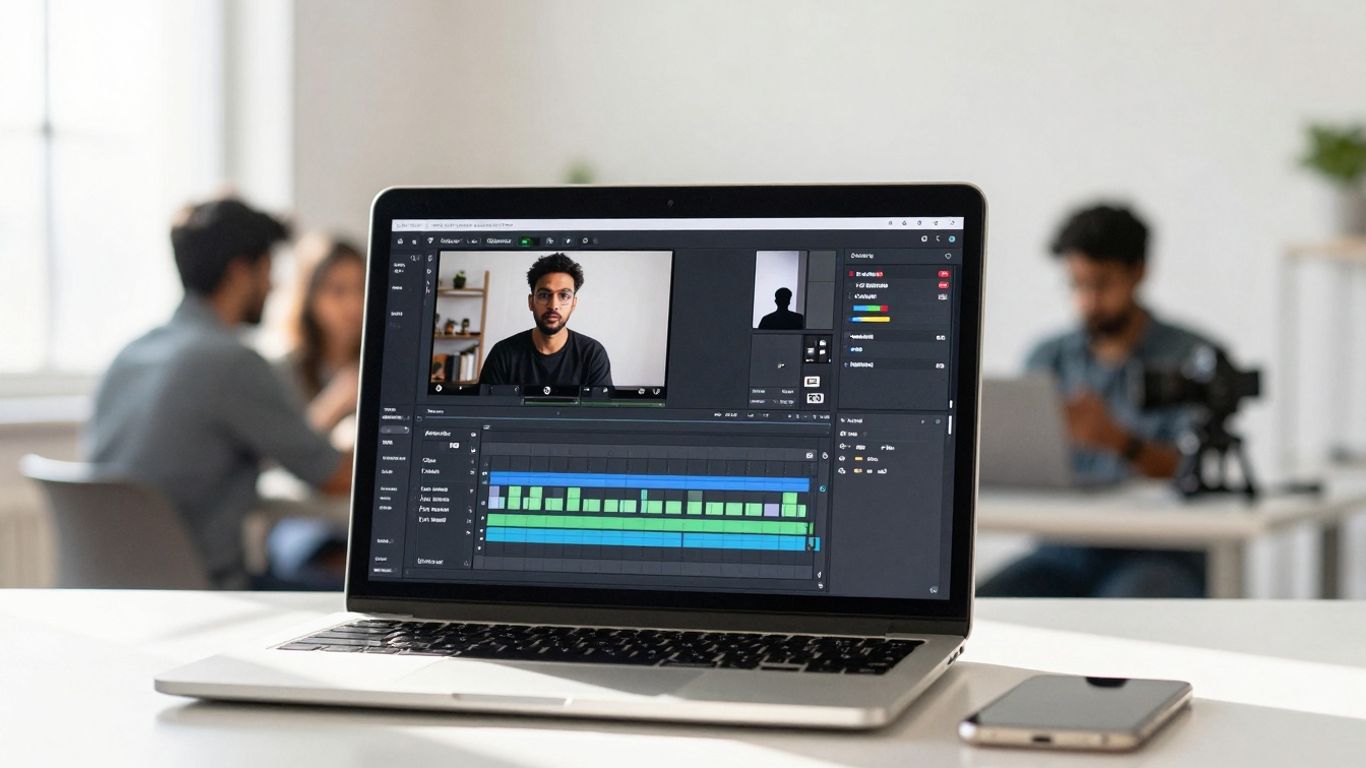
So, you've put in the work, built up a following for your awesome faceless videos, and now you're wondering how to actually make some money from it. It's totally doable, and honestly, there are quite a few ways to go about it. It's not some secret trick; it's about smart strategies that build on the value you're already providing.
Affiliate Marketing Opportunities
This is a pretty straightforward way to start earning. You recommend products or services that you genuinely think your audience will find useful, and when they buy through your special link, you get a commission. It works best when you can actually show the product in action or explain how it solves a specific problem your viewers might have. Think about it: if your channel is about DIY projects, recommending tools or materials makes a lot of sense. You just need to make sure your recommendations feel honest and not just like a sales pitch. Providing genuine recommendations is key to building trust with your viewers.
Securing Sponsored Content Deals
As your channel grows, companies might reach out to you for sponsored content. This means they pay you to feature their product or service in your videos. It can be quite lucrative, but it's super important to only partner with brands that align with your content and your audience's interests. You don't want to suddenly start promoting something totally random, right? It's all about finding that sweet spot where the sponsorship feels natural and adds value, rather than just being an interruption. You can often integrate these mentions into tutorials or product demonstrations.
Generating Revenue Through AdSense
If you're posting on platforms like YouTube, you can enable ads to run on your videos. Over time, as your viewership and watch time increase, this can become a pretty steady income stream. The more people watch your videos, the more ads they see, and the more you earn. Consistency in uploading and creating engaging content really helps boost your ad revenue potential. It's a long-term game, but it pays off.
Selling Merchandise And Digital Products
Even without showing your face, you can create and sell your own stuff. This could be anything from t-shirts with your channel's logo or a catchy slogan, to digital products like e-books, templates, or presets related to your niche. For example, if you create animated explainer videos, you could sell custom animation templates. This not only brings in money but also helps build your brand and gives your audience something tangible to connect with. It's a great way to deepen that connection with your community.
Building a successful faceless channel means focusing on the substance of your content. When you prioritize quality audio, engaging visuals, and a clear message, your audience will connect with what you're saying, not necessarily who is saying it. This focus on value is what makes monetization strategies so effective, as they build upon the trust you've established with your viewers.
Here's a quick look at how these methods can stack up:
- Affiliate Marketing: Good for niche products, requires audience trust.
- Sponsored Content: Can be lucrative, requires careful brand selection.
- Ad Revenue: Steady income over time, dependent on views and watch time.
- Merchandise: Builds brand loyalty, requires design and fulfillment.
- Digital Products: High profit margins, requires creation effort.
Remember, it's all about giving people something useful or interesting, making your videos look and sound good, and keeping up a regular posting schedule. With a bit of effort and creativity, your faceless channel can totally find its audience and even make you some money. Don't be afraid to try new things and see what sticks. Your unique approach, even without a face, could be exactly what people are looking for. You can discover proven methods to earn money on YouTube without revealing your face here.
Wrapping It Up
So, that's the lowdown on making videos without showing your face. It's not some secret trick, really. It's just a smart way to share what you know or love while keeping your personal life private. We've gone over a bunch of ideas, from simple screen recordings to cool animations, and how to make sure people actually watch them. The main thing to remember is that it's all about the content itself. Focus on giving people something useful or interesting, make your videos sound and look good, and keep showing up regularly. With a bit of effort and creativity, your faceless channel can totally find its audience and even make you some money. Don't be afraid to try new things and see what sticks. Your unique approach, even without a face, could be exactly what people are looking for.
Frequently Asked Questions
What exactly is a faceless video?
A faceless video is a type of video where the creator doesn't show their face. Instead, the focus is on the content itself, like animations, screen recordings, or cool visuals, with a voice or text explaining everything. It's all about the message, not the messenger!
Why do people make videos without showing their face?
Lots of reasons! It helps creators keep their privacy, which is super important these days. Some people might feel shy on camera, or they just want their work and ideas to be the main stars. It lets the content shine without any distractions.
What kind of videos can I make without showing my face?
You can make almost anything! Think cool whiteboard animations, step-by-step screen recording tutorials, fun stop-motion videos, or even animated charts and graphs. Product reviews or storytelling also work great. The possibilities are huge!
How do I make my faceless videos interesting if I'm not on screen?
Great question! You need to make your voiceover really engaging – clear, friendly, and full of energy. Also, use awesome visuals like graphics, stock footage, or animations. Adding text on screen to highlight important points helps a lot too. It's all about making the content super valuable and easy to follow.
What tools do I need to create faceless videos?
You don't need fancy stuff! Simple tools like screen recording software (like OBS Studio), video editing apps (many free ones exist!), and maybe some animation or whiteboard software can get you started. There are also cool text-to-video platforms that can help speed things up.
How can I get more people to watch my faceless videos?
You need to share them! Post clips on social media like TikTok or Instagram, use good keywords so people can find your videos on search engines, and try to work with other creators. Most importantly, keep uploading new videos regularly so your audience knows when to expect more awesome content!







Privacy is important to us, so you have the option of disabling certain types of storage that may not be necessary for the basic functioning of the website. Blocking categories may impact your experience on the website. View Our Privacy Policy


