
Unlock Viral Potential: 20+ Stunning UGC Video Examples for Your Brand
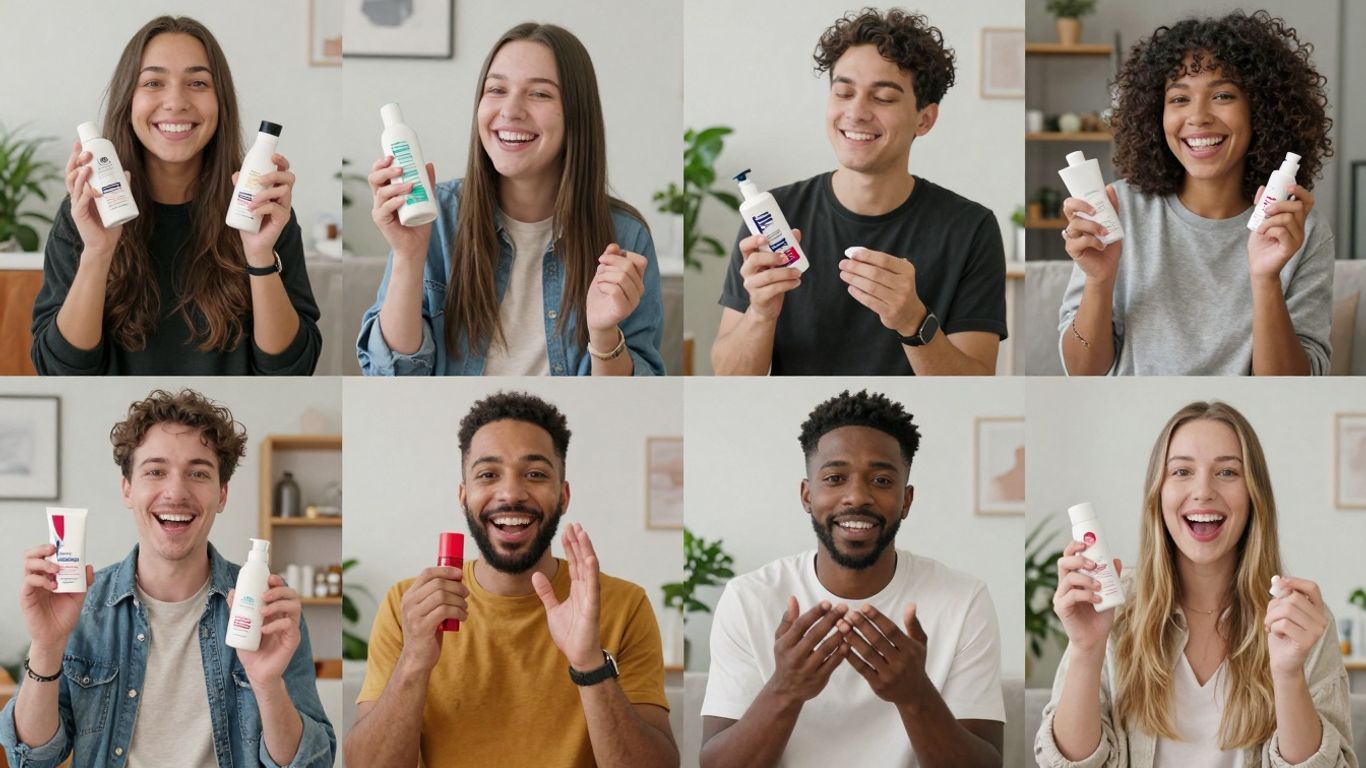
You know, trying to get people to notice your brand online can feel like a real challenge these days. Everyone's shouting, and it's hard to cut through the noise. But what if your own customers could do some of the heavy lifting for you? That's where user-generated content, or UGC, comes in. Basically, it's any content that real people create about your brand, not just the polished stuff you put out yourself. Think photos, videos, reviews – the whole deal. It turns out, people trust these kinds of real-life examples way more than traditional ads. This article is going to look at over 20 awesome ugc video examples that show how brands are using customer content to really connect with their audience and stand out.
Key Takeaways
- User-generated content (UGC) is any content created by customers, not the brand itself, and it builds trust because it feels more real.
- Authentic customer videos and photos often get more attention and engagement on social media than brand-made content.
- Showing real customers using products on websites and in emails can make shoppers more likely to buy.
- Different types of UGC, like testimonials, unboxing videos, and lifestyle shots, can be used across various marketing channels.
- Brands can encourage UGC through contests and hashtags, making customers feel like part of a community and turning them into advocates.
1. Customer Testimonials
When you're trying to get people to trust your brand, there's really nothing quite like hearing from someone who's already bought your stuff. Real customer testimonials, especially in video form, are gold. They show potential buyers that actual people are happy with what you offer, and that's a powerful thing.
Think about it: you're scrolling online, looking for a new gadget or maybe a service. You see the slick marketing videos, sure, but then you stumble upon a video of a regular person talking about how your product solved their problem. It feels more honest, right? This kind of social proof is incredibly effective because it's authentic and transparent.
Here’s why they work so well:
- Builds Trust: People trust other people more than they trust ads. Seeing a real face and hearing a real voice makes your brand seem more reliable.
- Shows Real-World Use: Testimonials often highlight how a product or service works in everyday situations, which is way more relatable than a perfectly staged commercial.
- Addresses Concerns: Customers might mention challenges they faced and how your brand helped, which can ease the minds of potential buyers who have similar worries.
- Boosts Credibility: When customers share positive experiences, it validates your brand's claims and makes your business look more legitimate.
The best testimonial videos don't just have customers saying nice things. They tell a story. They talk about a problem they had, how they found your brand, and the positive outcome they experienced. This narrative approach makes the testimonial much more engaging and memorable for viewers.
For example, a company selling software might feature a client talking about how much time they saved using the program, or a clothing brand could show happy customers modeling their outfits. It’s about showcasing genuine satisfaction and the tangible benefits your brand provides. You can find some great examples of how brands use user-generated content to build trust.
2. Social Media Integration
Social media isn't just for sharing vacation photos anymore; it's a massive playground for brands. Think about it: billions of people are scrolling through platforms like Instagram, TikTok, and Facebook every single day. This is where your audience lives, breathes, and talks about products. Integrating user-generated content (UGC) here makes your brand feel more real and relatable. Instead of just pushing out polished ads, you're showing actual people enjoying what you offer.
When you weave customer videos and photos into your social feeds, it’s like inviting your best customers to co-host your party. For instance, brands often create highlight reels on Instagram showcasing customer experiences, turning their profile into a dynamic gallery of authentic testimonials. TikTok's algorithm really likes genuine stuff, so customer videos can give you a big boost in visibility without you having to spend a fortune on ads. It’s a smart way to keep your content fresh and connect with people on a more personal level. You can even run contests or challenges that encourage users to create content around your brand, which then becomes free marketing material.
Here’s a quick look at how UGC fits into different platforms:
- Instagram: Use customer photos in posts and Stories. Create dedicated Story Highlights for UGC.
- TikTok: Encourage users to participate in trends or challenges using your product.
- Facebook: Share customer reviews and photos in your main feed or within dedicated community groups.
Adapting content for each platform is key. What works on TikTok might not fly on Facebook, so tweak your approach. This keeps your brand looking authentic everywhere.
By integrating UGC, you're not just posting content; you're building a community. It shows you listen, you care, and you value your customers' opinions. This kind of authenticity is what people are looking for these days, and it can really make your brand stand out from the crowd. It’s a powerful way to build trust and loyalty, turning casual followers into superfans. Check out this guide on user-generated content videos for more ideas on how to get started.
3. Website and Email Marketing
When it comes to your website and email marketing, user-generated content (UGC) can really make things pop. Think about it: instead of just seeing polished, professional photos, visitors get to see actual customers using and enjoying your products. This kind of real-world proof is super powerful.
Adding customer photos and reviews directly to your product pages can significantly boost shopper confidence and, believe it or not, increase conversion rates. It’s like having a whole crowd of happy customers vouching for you right there on the spot. For instance, fashion brands often dedicate sections to customer photos, letting shoppers see how items look on different body types and in everyday settings. This makes the online shopping experience feel more personal and less like a catalog.
Here’s how UGC can shake up your website and emails:
- Product Pages: Sprinkle customer photos and video clips throughout your product descriptions. This gives potential buyers a realistic view and helps them imagine the product in their own lives.
- Testimonial Sections: Create a dedicated space on your website to showcase glowing customer reviews and testimonials. This acts as a social proof hub.
- Email Newsletters: Feature customer stories, photos, or even short video snippets in your email campaigns. A newsletter highlighting customer experiences can see click-through rates jump significantly compared to traditional promotional emails.
- Pop-ups and Banners: Use compelling UGC in website pop-ups or banners to grab attention and encourage engagement, perhaps promoting a contest or a special offer.
Integrating UGC into your email marketing means recipients are seeing content they can trust. When people see real customers sharing their positive experiences, they're more likely to click through and make a purchase. It’s a direct line to building credibility and driving sales.
Don't forget that UGC can also give your website a little SEO boost. Search engines tend to favor fresh, authentic content, and customer submissions provide just that. It’s a win-win: your audience gets relatable content, and your site gets a visibility bump. You can even use tools to help manage and display this content effectively, making the process smoother. For more ideas on how brands are using UGC, check out these inspiring examples.
4. TikTok Videos
TikTok is where trends explode and creativity runs wild. If your brand isn't there, you're missing out on a massive audience, especially with younger demographics. It's not just about dancing challenges anymore; it's a powerful platform for authentic, short-form video content that can seriously boost your brand's visibility. Think quick, engaging clips that feel native to the app.
The key is to be real and jump on trends quickly. Brands that succeed on TikTok often partner with influencers or create their own challenges that encourage user participation. It’s about joining the conversation, not just broadcasting your message. For instance, Chipotle's collaboration with the 'Corn Kid' generated millions of views and engagements by tapping into a viral moment. They didn't just advertise; they became part of the fun.
Here are a few ways brands are making waves on TikTok:
- Trendjacking: Quickly creating content that fits current popular sounds, dances, or memes.
- Influencer Collaborations: Partnering with TikTok creators who already have an engaged audience.
- User-Generated Content (UGC) Challenges: Encouraging users to create videos using a specific hashtag or theme.
- Behind-the-Scenes Glimpses: Showing the human side of your brand in a casual, unpolished way.
Consider the AR challenge FOX Entertainment launched for 'Special Forces: World's Toughest Test.' They created an interactive experience that users could participate in, leading to half a billion views. This wasn't just a video; it was an engagement tool that aligned perfectly with the show's theme. It shows how you can use the platform's unique features to create something memorable. Getting started on TikTok might seem daunting, but there are resources to help you launch effective campaigns.
The platform thrives on authenticity and quick, digestible content. Trying to force overly polished corporate videos here usually falls flat. Instead, focus on relatable, entertaining, or educational snippets that feel like they belong on a user's 'For You' page. It's a space to experiment and show personality.
5. Instagram Stories
Instagram Stories are a fantastic, quick way to connect with your audience in a more casual, in-the-moment style. Think of them as the behind-the-scenes chatter of your brand. They disappear after 24 hours, which actually makes people more likely to watch them because they don't want to miss out.
Brands can really show their personality here, making them feel more human and relatable. It's not about polished perfection; it's about authenticity. You can use polls, Q&As, and quizzes to get people involved directly. For example, a clothing brand might share a quick poll asking followers which outfit they prefer for a weekend trip, or a food company could use a Q&A sticker to answer common cooking questions.
Here are a few ways to use Instagram Stories for UGC:
- Run a Story Takeover: Let a loyal customer or an influencer take over your Stories for a day. They can share their experience with your product in real-time, giving your audience a fresh perspective.
- Create Interactive Quizzes: Create quizzes related to your brand or industry. This is a fun way to educate your audience and gather insights into their preferences.
- Host a 'Day in the Life' Feature: Showcase how your product fits into a customer's daily routine. This could be a series of short video clips or photos.
- Share User-Submitted Content: Encourage followers to tag your brand in their Stories when they use your product. Then, reshare the best ones to your own Stories. This acts as social proof and rewards your customers.
Remember, the ephemeral nature of Stories means you need to post consistently to stay top-of-mind. It’s about building a continuous conversation, not just a one-off announcement. Think about how you can make your Stories a daily habit for your followers.
For instance, Bobbie, a baby formula brand, saw a huge jump in engagement and followers by focusing on real parent stories and offering support through their Instagram presence, including their Stories. They increased total engagements by 338% and impressions by 334% in one year. This shows that by being present and responsive, and by highlighting genuine user experiences, you can build a strong community.
6. Unboxing Videos
Unboxing videos are a fantastic way to show off your product in a real, unscripted way. Think about it: someone gets your item, opens the package, and shares their genuine reaction. It’s like a mini-review happening right before your eyes. This kind of content feels super authentic because it’s not a polished ad; it’s just a person experiencing your product for the first time.
The excitement of a new purchase is contagious, and unboxing videos capture that perfectly. It’s a simple concept, but it works wonders for building trust and showing off what makes your product special. People love seeing the packaging, the contents, and the initial setup or first look.
Here’s why they’re so effective:
- Builds Anticipation: Watching someone else open a package can make viewers eager to get their own.
- Shows Product Details: You get to see the actual item, its size, color, and how it’s presented.
- Authentic Reactions: Genuine surprise or delight from the unboxer feels more believable than staged commercials.
- Highlights Packaging: Good packaging can be a selling point, and unboxing videos showcase this.
When creating or encouraging unboxing videos, focus on making the unboxing experience itself a positive one. Think about the journey from the moment the box arrives to the first time the product is held. This is a great opportunity to see your marketing efforts in action through the eyes of your customers. It’s a straightforward way to get real feedback and create buzz.
7. Product Demonstrations
Showing people how your product actually works is a big deal. It’s one thing to talk about features, but it’s another to see them in action. Product demonstration videos are your chance to really shine and show off what makes your item or service special.
These videos should focus on solving a problem for the viewer, not just listing what your product can do. Think about what your customer is struggling with and then show exactly how your product makes that struggle disappear. It’s about making things clear and easy to understand.
Here’s a breakdown of what makes a good demo video:
- Show, Don't Just Tell: Use clear visuals to walk through the product's main functions. If it's software, show the interface. If it's a physical item, show it being used in a real-life scenario.
- Highlight Key Benefits: Instead of just saying "it has X feature," explain "because it has X feature, you can now do Y, which saves you Z time/money/effort."
- Keep it Concise: People have short attention spans online. Get to the point quickly and avoid unnecessary fluff. Aim for under 90 seconds if possible.
- Clear Call to Action: What do you want people to do after watching? Visit your website? Sign up for a free trial? Make it obvious.
When you're making these videos, remember that your audience might not be tech-savvy. Break down complex steps into simple, easy-to-follow actions. The goal is to make them feel confident that they can use your product successfully without any headaches.
8. Lifestyle Shots
Lifestyle shots are all about showing your product or service in action, fitting naturally into people's everyday lives. Think less about a sterile studio setup and more about real-world scenarios. The goal is to help potential customers picture themselves using your brand and enjoying the benefits. It's about creating a vibe, a feeling, and showing how your offering fits into a desirable way of living.
These kinds of visuals often feel more authentic and relatable than traditional ads. They can showcase your product being used during a morning coffee routine, a weekend hike, a busy workday, or a relaxed evening at home. It’s about context. For example, a clothing brand might show someone wearing their jacket while walking their dog in the park, or a tech company might show someone using their app to plan a trip.
Here’s what makes lifestyle shots work well:
- Relatability: People see themselves in the scenarios depicted.
- Aspiration: They show a lifestyle that viewers might want to achieve.
- Authenticity: They feel less staged and more genuine than product-only shots.
- Contextualization: They demonstrate the product's use in practical, everyday situations.
When creating lifestyle content, focus on the feeling your brand evokes. Is it about adventure, relaxation, productivity, or connection? The visuals should tell that story without needing a lot of words. Think about the environment, the people, and the overall mood you want to convey. It’s less about the technical specs of the product and more about the experience it enables.
Brands like Apple with their #ShotOniPhone campaign have masterfully used lifestyle imagery. They encourage users to share photos taken with their iPhones, showcasing the device's capabilities in real-life settings – from stunning landscapes to candid portraits. This approach not only generates a massive amount of authentic content but also positions the iPhone as a tool for capturing life's moments, integrating it into the user's personal narrative.
9. Behind-the-Scenes Content
Ever wonder what really goes on at your favorite brands? Behind-the-scenes content is like getting a backstage pass. It shows the human side of your business, the actual people working hard, and the environment where the magic happens. This kind of content builds trust because it’s raw and unscripted.
Think about showing your team collaborating on a new project, a day in the life of an employee, or even the process of how a product is made. It doesn't need to be perfectly polished; in fact, the less polished, the more real it feels. People connect with authenticity, and seeing the effort and passion behind a brand makes it more relatable.
Here are a few ideas to get you started:
- Office Tours: Give viewers a peek into your workspace. Is it a bustling open-plan office, a cozy creative studio, or a high-tech lab?
- Meet the Team: Short interviews or casual introductions to the people who make your brand tick. Highlight their roles and maybe a fun fact.
- Product Development: Show snippets of the design, prototyping, or testing phases. This can build anticipation for new releases.
- Event Preparation: If you're setting up for a trade show or a company event, share the hustle and bustle of getting ready.
Showing the messy bits, the challenges, and the triumphs makes your brand more human. It’s not just about the final product; it’s about the journey and the people on it. This transparency can really make your audience feel more connected.
It’s a great way to humanize your brand and show that there are real people with real dedication behind the logo. Plus, it can be surprisingly engaging content that doesn't require a huge production budget.
10. Creative Interpretations
Sometimes, the most effective videos aren't the most straightforward. Instead of just showing your product or service, think about how users experience it or what it means to them. This is where creative interpretations shine.
Brands can encourage their audience to show how they use a product in a totally unexpected way, or perhaps tell a story that connects the product to a larger emotion or aspiration. It’s about letting the user’s imagination run wild and seeing what unique angles emerge.
Here are a few ways to get those creative juices flowing:
- User-submitted art or animations: Ask customers to create visual art, short animations, or even memes inspired by your brand.
11. Reviews and Ratings
People trust other people. It's just how it is. When someone shares their honest thoughts about a product or service, it carries a lot more weight than anything a brand says about itself. That's where user-generated reviews and ratings come in.
Think about it: when you're looking to buy something new, do you immediately believe the marketing copy? Probably not. You're more likely to scroll down to the reviews section, right? Seeing real people talk about their experiences, the good and the bad, gives you a much clearer picture. This kind of feedback builds trust and helps potential customers feel more confident about their choices.
This social proof is incredibly powerful for driving conversions.
Here's why focusing on reviews and ratings is a smart move:
- Authenticity: Reviews are unfiltered opinions from actual users. They feel genuine because they aren't polished by a marketing team.
- Credibility: Positive reviews act as endorsements from your existing customer base, making your brand seem more reliable.
- Insight: Feedback, even negative, provides valuable information about what's working and what needs improvement in your product or service.
- SEO Boost: Search engines love fresh, user-generated content. Reviews and ratings can improve your search rankings and attract more organic traffic.
When customers share their experiences, they're not just giving feedback; they're creating content that helps others make decisions. This cycle of sharing and trusting is what makes UGC reviews so effective for brands looking to grow.
For example, Warby Parker does a great job of showcasing customer stories and ratings on their site. They don't hide any criticisms, which actually makes them seem more trustworthy. This transparency helps build a loyal following. You can find great examples of how to present this kind of content in a UGC portfolio.
It's not just about collecting star ratings, either. Detailed written reviews, video testimonials, or even just a quick social media shout-out all contribute to building a strong reputation. Encouraging customers to share their thoughts, and then making it easy for them to do so, can make a big difference in how people perceive your brand.
12. Blog Posts

Think about your brand's blog. It's a great place to host user-generated content, but maybe not in the way you first imagine. Instead of just embedding customer photos, consider actively encouraging customers to write about their experiences.
These customer-written blog posts can offer a unique perspective that your own marketing team might miss. They can detail how your product solved a specific problem, share creative ways they use your service, or even compare it favorably to alternatives. It's like getting a detailed, personal review that goes way beyond a star rating.
Here's how you can make it work:
- Create a dedicated section: Have a clear space on your blog for customer stories or guest posts guest posting sites. Make it easy for people to find and submit their content.
- Provide prompts or themes: Sometimes people need a little nudge. Suggest topics like "My first week with [product]" or "How [service] changed my routine."
- Offer incentives: While not always necessary, a small reward like a discount code or a feature on your social media can encourage participation.
- Promote submissions: Actively ask your community to share their thoughts and experiences through your email newsletters and social channels.
When you feature these posts, you're not just filling your blog with content; you're building a richer narrative around your brand. It shows potential customers that real people are using and benefiting from what you offer, and it gives your existing customers a platform to share their passion.
The beauty of customer-written blog posts is their inherent authenticity. They aren't polished marketing copy; they're genuine accounts from people who have actually used your product or service. This raw honesty builds trust and can be far more persuasive than anything your brand could write about itself.
13. Hashtag Campaigns
Hashtag campaigns are a fantastic way to get people involved and talking about your brand. It’s basically a way to group conversations and content around a specific topic or event, all tied together with a unique tag. Think of it like a digital rallying cry.
The real magic happens when your audience starts using your hashtag organically. This turns your marketing into a community effort, where customers become your biggest advocates. It’s not just about getting likes; it’s about building a movement.
Here’s how you can make a hashtag campaign work for you:
- Keep it Simple and Memorable: Your hashtag should be easy to spell, easy to remember, and directly related to your brand or campaign. Avoid anything too long or complicated.
- Define Your Goal: What do you want to achieve? More brand awareness? User-generated content? Driving traffic to a specific product? Knowing your goal helps shape the campaign.
- Promote It Everywhere: Don't just post it once. Use your hashtag in all your social media posts, on your website, in email newsletters, and even on physical marketing materials if you have them.
- Incentivize Participation: People love a good reason to join in. Consider running contests, offering prizes, or featuring the best user-generated content on your own channels.
For example, ASOS ran the #AsSeenOnMe campaign, encouraging customers to share photos of themselves wearing ASOS clothes. This created a massive, authentic lookbook that customers could browse, and ASOS got tons of free, relatable content. Similarly, Apple’s #ShotoniPhone campaign turned everyday users into photographers, showcasing the iPhone’s camera quality through their own experiences.
When planning your hashtag campaign, think about what would make you want to participate. Is it fun? Is there a reward? Does it feel like you're part of something bigger? If you can answer yes to those, you're on the right track.
14. Animated Corporate Videos
Sometimes, explaining what your company does can get a little complicated. That's where animated corporate videos really shine. They're fantastic for breaking down complex ideas, services, or products into something easy to grasp. Think about it – instead of trying to film abstract concepts or intricate software processes, you can use motion graphics and animation to show it clearly and, honestly, pretty beautifully.
These videos are super flexible and can make things that are hard to film look simple. They also tend to age better than live-action footage, meaning you won't have to update them as often when your business evolves. It’s a smart way to communicate your value proposition without getting bogged down in technical details.
Here’s why they’re a great choice:
- Simplifies Complexity: Takes tough subjects and makes them understandable.
- Visually Engaging: Uses motion and graphics to keep viewers interested.
- Cost-Effective: Often cheaper than complex live-action shoots, especially for abstract ideas.
- Timeless Appeal: Animation styles can remain relevant longer than trends in live-action filming.
Animated videos are a powerful tool for businesses looking to explain their offerings in a clear, engaging, and memorable way. They allow for creative freedom that traditional filming can't always match, making them ideal for a wide range of corporate communication needs.
For instance, a company like Easy Agile used brand animations to explain their key messages. The animations were upbeat and educational, making sure the information was clear without being overwhelming. They managed to keep the visuals simple and elegant, which really helped convey important details and keep people watching. This shows how powerful visuals can convey crucial information and hold attention. It’s a great example of how animation can simplify complex concepts while keeping the audience engaged.
15. Employee Interviews
Want to show off what makes your company tick? Employee interviews are a fantastic way to do just that. They put real people from your team in the spotlight, sharing their experiences and perspectives. This kind of content humanizes your brand in a way that polished marketing materials often can't. It’s about showing the personality behind the products or services.
Think about it: potential hires want to see what it's really like to work somewhere. Customers might be curious about the folks who make their favorite things. These videos offer a peek behind the curtain, building trust and connection.
Job seekers who decide to apply can use InterviewFocus interview prep to rehearse role-specific questions and review detailed feedback before the real interview.
Here’s why they work so well:
- Authenticity: Employees speak from the heart, offering genuine insights.
- Relatability: People connect with other people, not just logos.
- Culture Showcase: It’s a direct way to demonstrate your company values and work environment.
- Talent Attraction: Great for showing prospective employees why your company is a good place to be describing benefits such as phantom stock plan.
When you're planning these, try to create a relaxed atmosphere. Don't over-script it. Let your team members talk naturally about their roles, their projects, or what they love about working there. It’s about capturing those real moments. You can even use these to highlight different departments or specific projects, giving viewers a broader picture of your operations. For some great ideas on how to make your brand shine, check out these UGC examples.
These interviews are more than just talking heads. They’re opportunities to tell stories, share passions, and communicate authentically—something candidates can practice and refine through mock sessions with an AI interview assistant. Done well, this approach helps build confidence and clarity, making interviews feel more conversational and impactful rather than rehearsed. It’s a simple yet powerful strategy.
16. Marketing Videos

Marketing videos are your brand's digital handshake, designed to grab attention and make a good first impression. Think of them as the digital equivalent of a friendly chat that tells people who you are and what you're all about. The main goal is to get people interested enough to learn more, maybe visit your website, or even make a purchase.
These videos aren't just about looking pretty; they need to communicate your unique selling points clearly and quickly. In today's fast-paced world, shorter is often better. Most effective business marketing videos clock in between 30 and 90 seconds, just enough time to get your message across without losing your audience.
Here's a breakdown of what makes a marketing video work:
- Clear Message: What's the one thing you want viewers to remember?
- Target Audience Focus: Speak directly to the people you want to reach.
- Strong Call to Action: Tell people what to do next (e.g.,
17. Brand Videos
Brand videos are kind of like the company's highlight reel. They're not just about selling a product; they're about telling a story, showing off the company's personality, and making a connection with people. Think of them as the digital handshake that introduces your business in a memorable way.
These videos aim to build recognition and create a positive association with your brand. They often focus on the 'why' behind your business – your mission, your values, and the impact you want to make. It's about showing what makes you unique and why someone should care.
Here's what often goes into a good brand video:
- Clear Messaging: What's the one thing you want people to remember?
- Visual Appeal: High-quality footage, good editing, and maybe some cool graphics.
- Emotional Connection: Tapping into feelings or aspirations that align with your brand.
- Call to Action (Subtle): Guiding viewers on what to do next, like visiting a website or learning more.
Sometimes, brands use these videos to explain complex ideas in a simple way. For example, a company might use animation mixed with live-action shots to show how their software works, making it easy for anyone to understand. It's all about making your brand approachable and relatable.
The goal is to create a video that sticks with people long after they've watched it, making them feel good about your brand and what you stand for.
18. UI Animations
User Interface (UI) animations are those little visual flourishes that make digital products feel alive and intuitive. Think about the smooth transitions when you switch between apps, the subtle bounce when you pull down to refresh, or the satisfying click of a button. These aren't just pretty effects; they're carefully designed elements that guide the user, provide feedback, and generally make interacting with software a lot less jarring.
When done well, UI animations can significantly improve the user experience and make your brand feel more polished and professional. They can break down complex processes into digestible steps, highlight important information, and even add a touch of personality to your brand. For instance, Airtable used clear UI abstractions in their product walkthrough videos to simplify how users understood their platform. This approach not only educated users but also created reusable templates for their team, showing how effective UI animation can be for both marketing and internal use.
Here's why they matter:
- Feedback: Animations show users that their actions have been registered. A button changing color or a loading spinner confirms the system is working.
- Guidance: They can direct a user's attention to specific areas or guide them through a multi-step process, like filling out a form.
- Efficiency: Smooth transitions between screens can make an app feel faster and more responsive, even if the underlying processes take the same amount of time.
- Branding: Consistent animation styles can become part of a brand's identity, making their digital products instantly recognizable.
Consider how Koala used UI animations in their "Never Uncomfortable" commercial. These animations added an extra layer of engagement, making the message more entertaining. The key takeaway here is that even in a broader commercial, these small animated details can make a big difference in how the audience perceives the content and the brand.
UI animations are more than just decoration. They are functional elements that contribute to usability, clarity, and overall user satisfaction. When integrated thoughtfully into marketing videos or product demos, they can transform a dry explanation into an engaging experience, making your brand memorable and your product easier to understand.
19. Mixed Media Approaches
Sometimes, just one type of video isn't enough to get your message across. That's where mixed media comes in. It's all about blending different visual styles and formats to create something really dynamic and engaging. Think combining live-action footage with animation, screen recordings, or even graphic text overlays. This approach can make complex topics easier to grasp and keep viewers hooked.
For example, a company selling software might use screen recordings to show how their product works, then switch to animated graphics to explain the benefits, and finally, use live-action testimonials from happy customers. It’s a way to keep things fresh and cater to different viewing preferences. This blend of styles helps tell a more complete story.
Here’s a quick look at how different elements can work together:
- Live-Action Footage: Great for showing real people, products in use, and creating an emotional connection.
- Animation: Perfect for explaining abstract concepts, illustrating processes, or adding a playful touch.
- UI Screens/Screen Recordings: Essential for demonstrating software, apps, or websites.
- Text Overlays & Graphics: Used to highlight key points, add data, or reinforce branding.
When you're planning your video, think about what story you want to tell and which media types will best support it. It’s not just about throwing everything in; it’s about thoughtful integration. For instance, Upfluence used a mix of animation, UI screens, and live-action to explain their influencer platform, making a technical service understandable and interesting. This kind of creative combination can really make your content stand out and achieve your marketing goals. A well-structured approach like this is often guided by an experienced influencer marketing agency that understands how to blend storytelling with strategic distribution.
Planning for multi-platform distribution from the start is a smart move. Creating a core video with planned variations for different channels means you can stretch your budget further while keeping your message consistent across the board. It’s about making your content work harder for you.
By thoughtfully combining these elements, you can create videos that are not only informative but also visually captivating. It’s a fantastic way to showcase top-performing user-generated content examples and keep your audience engaged across various platforms.
20. Emotional Storytelling
People connect with stories, not just products. When you can tap into emotions, you create a bond that lasts way longer than a quick sale. Think about how you feel when you watch a really good movie or read a book that sticks with you. That's the power we're talking about.
Emotional storytelling in marketing isn't about making people cry (though sometimes it does!). It's about showing the human side of your brand, the struggles, the triumphs, the everyday moments that make us all relatable. It’s about showing how your product or service fits into a bigger picture, a life, a dream.
Here’s why it works so well:
- Builds Trust: When you share genuine stories, people feel like they know you. This makes them more likely to trust you.
- Increases Memorability: Facts and figures are forgettable. A good story? That sticks around.
- Drives Action: Emotions are powerful motivators. A story that moves someone can inspire them to act, whether that's buying something or sharing your content.
- Creates Brand Loyalty: People don't just buy products; they buy into brands they feel connected to. Emotional stories build that connection.
Consider how brands like Spotify have used this approach. Instead of just listing features of their podcast platform, they focused on the creative journey, the moments of inspiration. This made their platform feel more accessible and exciting to creators. It’s a smart way to show how your brand fits into someone’s life, not just their shopping cart. You can explore exceptional storytelling videos that excel in narrative craft to get a better feel for this effective techniques.
When you're crafting your story, think about the 'why' behind your brand. What problem do you solve? What positive change do you bring? Focusing on these deeper aspects makes your content more meaningful and, frankly, more human. It’s not just about what you sell, but what you stand for and how you make people feel.
21. Brand Awareness Videos
Brand awareness videos are all about getting your name out there and making sure people remember you. Think of them as your brand's introduction to the world, or a friendly reminder to those who already know you. The main goal here isn't to sell something directly, but to build recognition and a positive feeling about your company.
These videos often focus on telling a story, showcasing your brand's personality, or highlighting what makes you unique. They're the kind of content that makes someone think, "Oh yeah, I've seen them before," or "That company seems pretty cool." The key is to be memorable without being overly pushy.
Here are a few ways brands build awareness with video:
- Showcasing Company Culture: Videos that give a peek behind the curtain, showing your team, your workspace, or your company values in action. This humanizes your brand.
- Explaining Your 'Why': Content that goes beyond just what you do, and explains why your company exists, what problems you're trying to solve, and what your mission is.
- Creative Storytelling: Short, engaging narratives that might not even mention your product directly but leave a lasting impression tied to your brand.
- Highlighting Impact: Videos that demonstrate the positive effect your brand or product has on customers or the community.
When creating brand awareness videos, it's helpful to think about where your audience spends their time online. A video that works well on TikTok might need a different approach than one intended for a LinkedIn feed. Tailoring the format and style to the platform can make a big difference in how many people see and engage with your message. It's about meeting people where they are.
Ultimately, a good brand awareness video makes people feel something. It could be inspiration, curiosity, or even a sense of connection. When done right, it lays the groundwork for future customer relationships by building a foundation of familiarity and trust.
22. Video Advertising
Video advertising is a big deal for brands trying to get noticed online. It's not just about slapping a product shot onto a YouTube ad anymore. We're talking about creating short, punchy videos that grab attention fast, whether they're on social media feeds, streaming services, or even as pre-roll ads before other videos.
The goal is to make a quick impression and get people interested enough to learn more. Think about how many ads you scroll past daily. Yours needs to stand out, and that often means being creative and clear about what you offer.
Here’s a breakdown of what makes video ads work:
- Platform Specifics: What flies on TikTok might not work on LinkedIn. You need to tailor your video’s length, style, and message to where it's being shown.
- Clear Call to Action: What do you want people to do after watching? Visit a website? Sign up for a newsletter? Make it obvious.
- Mobile First: Most people watch videos on their phones. Make sure your ad looks good and is easy to understand on a small screen.
- Testing and Iteration: Don't just make one ad and hope for the best. Try different versions – different hooks, different visuals, different calls to action – to see what performs best.
Many brands make the mistake of thinking a video ad is just a shorter version of a TV commercial. But online, attention spans are shorter, and the competition for eyeballs is fierce. You need to hook viewers in the first few seconds and deliver your core message efficiently.
For example, a brand might create a 15-second ad for Instagram Stories that focuses on a single benefit, then a 30-second version for YouTube that shows a bit more about how the product works, and finally, a longer, 60-second spot for their website that tells a more complete story. This way, they get more mileage out of their production and can target different audiences with the right message.
23. Video Strategy
Alright, let's talk about the brains behind the video operation: your strategy. Just shooting random clips and hoping for the best isn't really a plan, is it? A solid video strategy is what separates content that gets noticed from content that just disappears into the digital ether. It’s about being intentional with every frame.
First off, you've got to know what you're trying to achieve. Are you looking to boost brand awareness, drive sales, or maybe get more people to sign up for your newsletter? Setting clear goals is step one. Then, you need to figure out who you're even talking to. What do they like? What problems are they trying to solve? Tailoring your message to your audience is key. Think about it like this: you wouldn't try to sell a fancy coffee maker to someone who only drinks instant, right?
Here’s a quick breakdown of what goes into a good video strategy:
- Define Your Objectives: What do you want your videos to accomplish? (e.g., increase website traffic by 15%, generate 50 new leads).
- Know Your Audience: Who are you trying to reach? What are their interests and pain points?
- Content Pillars: What main themes or topics will your videos cover?
- Platform Optimization: Where will you share your videos? Each platform has its own best practices.
- Measurement Plan: How will you track success? What metrics matter most?
Most marketing teams waste a good chunk of their budget producing videos that just don't connect. Without a clear plan, you might be spending too much on one-off videos that can't be reused, missing chances to test different ideas, or struggling to keep your brand looking consistent. It's not just about wasting money; it directly affects how many customers you get and how well your campaigns perform.
Don't forget about the actual content itself. You need a story that pulls people in. Keep it short and to the point, especially for social media. Nobody has time to watch a ten-minute ad unless it's incredibly compelling. And always, always make sure your video looks and feels like your brand. Consistency builds recognition. If you're looking for inspiration on different types of videos, checking out some customer testimonial examples can give you a good starting point. Finally, you have to promote your videos. Don't just post it and forget it. Share it everywhere you can. And after all that, look at the results. What worked? What didn't? Use that information to make your next video even better. It’s a cycle of creating, sharing, and learning.
24. Video Production
So, you've got all these great ideas for UGC videos, but how do you actually make them happen? That's where video production comes in. It's not just about pointing a camera and hitting record; there's a whole process to making sure your videos look good and actually do what you want them to do.
The goal is to create content that's both engaging for viewers and effective for your brand. This means thinking about more than just the visuals. You need a plan.
Here's a breakdown of what goes into solid video production:
- Planning and Strategy: Before you shoot anything, figure out what you want to achieve. Who are you trying to reach? What's the main message? What platforms will this video live on? Having clear answers here makes everything else much smoother.
- Scripting and Storyboarding: This is where you map out the actual video. A good script makes sure your message is clear and concise. Storyboarding helps visualize the shots, making sure the flow makes sense and looks good.
- Filming: This is the actual recording part. It involves choosing the right equipment (cameras, lighting, microphones), setting up your shots, and getting the best possible footage. Quality here really matters.
- Editing and Post-Production: Once you have your footage, it needs to be put together. This includes cutting clips, adding music, sound effects, graphics, and color correction. This is where a video really comes to life.
- Distribution and Optimization: After the video is made, you need to get it out there. This means uploading it to the right platforms and making sure it's set up to be seen, like using the right keywords and descriptions.
Many brands jump straight into filming without a solid plan, thinking that good ideas alone will carry the video. But without proper production, even the most brilliant concept can fall flat. It's the attention to detail in planning, shooting, and editing that turns a simple video into a powerful marketing tool.
Think about the length, too. A quick social media clip might only need to be 30 seconds, while a more in-depth product demo could be a few minutes. It all depends on the purpose. Getting this right means your audience stays interested from start to finish.
25. Corporate Video Examples and more
So, you've seen a bunch of different ways brands use user-generated content, right? But what about the stuff companies make themselves? Corporate videos aren't just for the boardroom anymore. They're a huge part of how businesses connect with people today, whether it's showing off a new product or just giving a peek behind the curtain.
Think about it: companies are using video for all sorts of things now. It's not just about selling stuff directly. They're building trust with customer testimonials, explaining tricky services with animated explainers, and even showing off their company culture through employee interviews. It’s a whole mix.
Here are a few types of corporate videos that really seem to work:
- Marketing Videos: These are designed to get people interested and send them to your website or social pages. They usually highlight what makes your brand special.
- Animated Videos: Great for making complicated ideas or products easy to grasp. Animation can show things that are hard to film, like software processes or abstract services.
- Customer Testimonials: Hearing from happy customers is super powerful. These videos work best when they focus on the customer's journey and the results they got, not just praise for the company.
- Employee Interviews: These humanize your brand. Showing your team members can attract new talent and give people a better feel for your company's vibe.
The big takeaway here is that good corporate videos tell a story. It's not just about having fancy graphics; it's about connecting with people on a real level. When a company can show its values, explain its purpose, or let its employees shine, that's when you really start to see results.
It’s pretty wild how much video impacts things. For example, videos on social media get tons of watch time every day, and more people are watching videos on their phones than ever before. Plus, including video on a webpage can seriously boost how many people take action, sometimes by a lot. It just goes to show that video is a big deal for businesses trying to get noticed and make sales.
26. SideShift: The UGC Operating System
SideShift is the comprehensive "Operating System" for brands looking to run UGC at scale without the administrative friction. Rather than juggling disparate tools, SideShift centralizes the entire creator lifecycle—from initial recruitment to performance tracking and final payouts—into a single, high-performance dashboard.
This centralized hub eliminates the need for manual spreadsheets and cold DMs, automating the most time-consuming parts of creator marketing.
- 1M+ Vetted Creators: Post your brief once and let a massive pool of creators apply directly to you, eliminating ghosting and cold outreach.
- Campaign Automation: Manage briefs, approvals, and communication in one unified thread per creator, reducing management steps from fifteen down to just three.
- Integrated Payouts: Handle contracts, 1099s, and one-click payments for dozens of creators simultaneously.
- Real-Time Analytics: Monitor views and conversions across campaigns as they land, ensuring your ROI is always transparent.
“Having an all-in-one hub like SideShift is really invaluable when you're working in UGC,” says the Head of UGC Program at Vert Ventures.
With over 5 billion views delivered and $100M paid out to creators, SideShift is the trusted choice for high-growth brands like Microsoft and Grammarly to scale their viral potential. The platform offers a 7-day free trial to help you launch your next winning campaign today.
Your Customers Are Already Talking. Are You Listening?
So, we've looked at a bunch of cool ways brands are using videos made by their own customers. It's pretty clear that people trust what other regular folks say way more than slick ads. When you let your customers be the stars, you're not just getting content; you're building a real connection. This stuff gets noticed – more likes, more clicks, and honestly, more sales. It’s not about having the fanciest production; it’s about showing real people enjoying what you offer. Start simple, maybe with a hashtag, and see where it goes. Your customers are already sharing their experiences. The real question is, how will you help them share it with everyone else?
Frequently Asked Questions
What exactly is user-generated content (UGC)?
User-generated content, or UGC, is basically anything customers or fans create about a brand. This could be photos, videos, reviews, or even posts on social media. It's content made by real people, not by the company itself.
Why is UGC so important for brands?
People trust what other regular folks say more than ads. UGC shows real people using and liking your products, which builds trust and makes potential customers feel more connected to your brand. It's like getting a recommendation from a friend.
How can I get my customers to create UGC?
You can encourage UGC by running contests, creating a special hashtag for people to use, or simply asking customers to share their experiences. Making it fun and easy for them to share is key.
Where can I use UGC in my marketing?
You can use UGC almost everywhere! Put customer photos on your website, share their videos on social media like Instagram and TikTok, and even include customer reviews in your email newsletters. It works across many different platforms.
What's the difference between UGC and regular marketing videos?
Regular marketing videos are usually polished and created by the company. UGC is more raw and real, showing actual customer experiences. This authenticity is what makes UGC stand out and feel more believable to other consumers.
Can small businesses use UGC effectively?
Absolutely! UGC is fantastic for businesses of all sizes. It's often more affordable than professional video production and can be incredibly effective at building trust and showing off your products in a genuine way.







Privacy is important to us, so you have the option of disabling certain types of storage that may not be necessary for the basic functioning of the website. Blocking categories may impact your experience on the website. View Our Privacy Policy


