
Unlock Passive Income: Launching Your Successful Faceless YouTube Channel in 2025

Thinking about starting a YouTube channel but not keen on being the star of the show? You're not alone. Many people want to share their ideas or build a business online without putting their face out there. The good news is, you absolutely can. Faceless YouTube channels are a super popular way to create content, connect with an audience, and even make money, all while staying completely behind the scenes. This guide is all about helping you launch your own successful faceless YouTube channel in 2025.
Key Takeaways
- A faceless YouTube channel lets you create content without showing your face, focusing instead on visuals, voiceovers, or animation.
- Choosing the right niche is vital; look for areas with good audience interest but less competition to stand out.
- Compelling content can be made using stock footage, animations, AI visuals, and strong voiceovers, even without personal on-camera presence.
- Multiple income streams are possible, including AdSense, affiliate marketing, sponsorships, and selling digital products, making your faceless YouTube channel profitable.
- Consistency in uploading and engaging with your audience, alongside analyzing performance data, is key to growing your faceless YouTube channel successfully.
Understanding The Faceless YouTube Landscape
So, you're thinking about diving into the world of YouTube but the idea of putting yourself out there, on camera, makes your palms sweat? You're not alone. Lots of people feel that way. The good news is, you don't actually need to show your face to build a successful channel and even make some money from it. This is where the 'faceless' YouTube channel comes in. It's a way to create content, share information, or entertain people without ever appearing on screen yourself.
What Exactly Is A Faceless YouTube Channel?
A faceless YouTube channel is pretty much what it sounds like: a channel where the creator's face is never shown. Instead of relying on personal appearances, these channels focus on other elements to deliver their message. Think voiceovers explaining a topic, animations illustrating a story, text-based videos with engaging graphics, or even just compilations of stock footage set to music. It's a flexible approach that lets you share value while keeping your personal identity completely private. Many creators use this model to build brands, grow audiences, or generate income without the pressure of being on camera.
Why Choose A Faceless Approach For Your Content?
There are several good reasons why someone might opt for a faceless approach. For starters, it removes the anxiety many people feel about being filmed. If you're shy, value your privacy, or just don't enjoy being the center of attention, this is a big plus. It also makes it easier to scale your content production. You can focus entirely on the script, the visuals, and the editing, and even outsource parts of the process if you want to treat your channel more like a business. Plus, the YouTube algorithm doesn't actually care if your face is on screen; it rewards engaging, consistent, and valuable content, regardless of who's presenting it. This model can be a solid way to earn online with low risk.
The Algorithm's Perspective On Faceless Content
It's a common misconception that YouTube's algorithm favors channels where creators are on camera. That's simply not true. The algorithm's main goal is to keep viewers watching. It looks at metrics like watch time, audience retention, click-through rates, and engagement. If your faceless content is interesting, well-edited, and provides value, the algorithm will promote it just as readily as it would a channel with a visible host. In fact, some studies suggest that certain types of faceless content, like educational or informational videos, can perform exceptionally well because they focus purely on the subject matter. The key is creating content that viewers want to watch from start to finish, and that can absolutely be achieved without showing your face. You can find channels that are doing this successfully in many different areas, like finance or true crime.
The biggest pattern among those who don't succeed with faceless channels is quitting too early. Instead of learning and improving, they give up after a few videos. Paying attention to what doesn't work for others can be a valuable lesson.
Here's a quick look at why this approach works:
- Privacy Protection: Keep your personal life separate from your online presence.
- Scalability: Easier to outsource tasks like voiceovers or editing.
- Content Focus: Concentrate on delivering information or entertainment.
- Reduced Pressure: No need to worry about appearance or on-camera performance.
Many creators are finding success with this method, turning it into a significant income stream. It might sound too good to be true, but with the right strategy and consistent effort, it's a very real possibility for building a passive income stream.
Strategic Niche Selection For Your Faceless Channel
Picking the right niche is like choosing the foundation for your house. Get it wrong, and everything else might crumble. For a faceless channel, this step is even more important because you're not relying on your personality to draw people in. You need a topic that's interesting enough on its own and that you can talk about without showing your face. It's about finding that sweet spot where your interests meet what people actually want to watch.
Identifying Profitable Niches With Low Competition
This is where a lot of people get it wrong. They see a popular topic and jump in, only to get lost in the crowd. The real winners are those who dig a little deeper. Think about topics that have a steady stream of people looking for information but don't have a ton of channels already making videos about it. This means less competition and a better chance for your videos to be seen by the algorithm. It's about finding those hidden gems.
- Research demand: Use tools like Google Trends to see what people are searching for. Look for topics with consistent or growing interest.
- Analyze competition: Search YouTube for your potential niche. Are there many channels? How many views do their videos get? Are they consistently uploading?
- Look for underserved angles: Even in popular topics, there might be specific sub-topics or ways of explaining things that aren't covered well. This is your opportunity.
Aligning Your Niche With Your Interests And Expertise
Let's be honest, making videos takes time and effort. If you pick a niche you know nothing about or have zero interest in, you're going to burn out fast. It's way easier to create content consistently when you actually enjoy the subject matter. Plus, your genuine interest will come through in your voiceovers and scripts, making the content more engaging. Think about your hobbies, things you've studied, or topics you find yourself researching in your free time. These are often great starting points for a faceless channel. You can explore YouTube channel ideas that don't require showing your face that align with your passions.
Analyzing Top Performing Faceless YouTube Niches
Looking at what's already working can give you some great ideas. Certain niches just lend themselves really well to a faceless format. Think about educational content, tech reviews, personal finance explainers, or even true crime stories. These often rely on strong visuals, clear voiceovers, and good storytelling rather than a presenter's face.
Here are a few categories that tend to do well:
- Educational Content: Explaining complex topics in a simple way (e.g., science, history, productivity).
- Finance & Investing: Use Alpha Spread platform for breaking down financial concepts, stock market analysis, or budgeting tips.
- True Crime & Mysteries: Storytelling with visuals and narration.
- Tech Reviews & Tutorials: Demonstrating software, gadgets, or coding.
When you're looking at successful channels, don't just copy them. Try to figure out why they're successful. What kind of videos do they make? How do they present the information? What makes their thumbnails and titles stand out? Finding these patterns can help you create something unique that still appeals to a similar audience.
Remember, the goal is to find a niche that you can create content for consistently, that people are searching for, and that works well without you needing to be on camera. It takes some digging, but finding that perfect niche is the first big step to building a successful faceless channel.
Crafting Compelling Content Without Showing Your Face
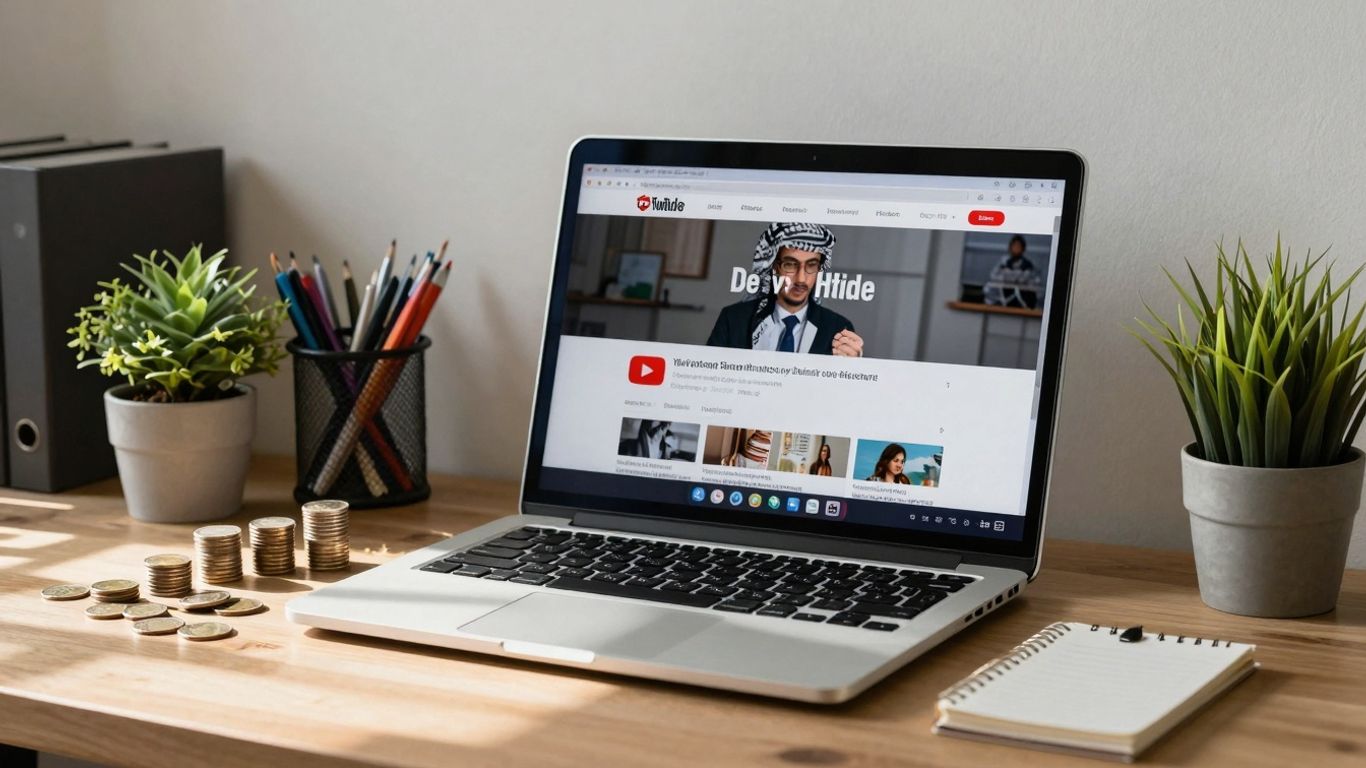
So, you've decided to go the faceless route. That's totally fine! Plenty of successful channels do it. The key here is making sure your content still grabs people and keeps them watching, even without a familiar face on screen. It means your visuals and audio have to work a lot harder.
Leveraging Voiceovers and Scriptwriting for Engagement
Your script is basically the star of the show when you're not on camera. Think of it like writing a really good radio play. You need to be clear, interesting, and keep the listener hooked from the first sentence. Since you can't rely on facial expressions or body language, your words have to carry all the emotion and information. Imagine you're just chatting with a friend about something you're passionate about – that's the vibe to aim for. A well-written script breaks down complex ideas into simple steps, tells a story, or presents information in a way that's easy to digest. Don't forget a strong opening to grab attention right away and a clear call to action at the end.
- Hook: Start with something surprising or a question that makes people want to know more.
- Main Content: Deliver the information clearly, breaking it into logical parts.
- Call to Action: Tell viewers what you want them to do next, like subscribing or checking out a link.
Your voiceover is just as important. Whether you use your own voice or a high-quality AI voice, it needs to sound natural and engaging. Practice reading your script aloud to catch awkward phrasing. Good audio quality is a must – nobody likes listening to static or muffled voices.
The script and voiceover are your primary tools for connecting with your audience. They need to be polished, informative, and delivered in a way that holds attention. Think about the pacing, tone, and clarity of your message. This is where you build trust and convey value, even from behind the scenes.
Utilizing Stock Footage, Animation, and AI Visuals
Since your face isn't on screen, you need other things to look at! Stock footage is a lifesaver here. There are tons of websites with high-quality videos and images you can use. Just make sure they fit the mood and topic of your video. Think about what kind of visuals would best illustrate what you're talking about. If you're explaining a financial concept, maybe use graphics showing charts and money. If it's a travel video, you'll want scenic shots. Animation can also be great for explaining complex ideas or adding a bit of fun. Tools are popping up that make creating simple animations much easier these days. AI-powered tools can even help generate unique visuals or edit footage, saving you a lot of time. The goal is to make your video visually interesting and professional-looking, complementing your voiceover without being distracting. You can find great resources for faceless YouTube channel ideas that often rely heavily on these visual elements.
Mastering Thumbnail Design for Clickability
Your thumbnail is like the cover of a book – it's the first impression. For a faceless channel, it's even more important because it has to do all the work of attracting clicks. You can't rely on a picture of your smiling face. Instead, focus on clear, bold text that tells people what the video is about, and a strong, relevant image. Think about what would make you stop scrolling. Bright colors, intriguing questions, or a clear depiction of the video's topic can work wonders. Test different styles to see what gets the most clicks. A well-designed thumbnail can make a huge difference in getting your video seen.
Monetization Strategies For Your Faceless YouTube Venture
So, you've got this cool faceless channel idea, and you're making videos. Great! But how do you actually make money from it? It's not just about views, though that's a big part. There are several ways to turn those views into actual cash, and the best part is, you don't need to be on camera for any of them.
Maximizing AdSense Revenue With High RPM Niches
Once your channel hits the YouTube Partner Program requirements (1,000 subscribers and 4,000 valid public watch hours in the past 12 months, or 10 million valid public Shorts views in the past 90 days), you can start earning from ads. This is called AdSense. The amount you earn per thousand views is called RPM (Revenue Per Mille). Some niches just pay more than others when it comes to ads. Think finance, technology, or business topics. These areas often attract advertisers willing to pay more for ad space because the audience is seen as more valuable. If you can create content in these areas, your ad revenue can grow much faster.
Here's a quick look at potential RPM ranges:
Remember, these are just estimates. Your actual RPM will depend on many factors, including your audience's location, the time of year, and the specific ads shown.
Implementing Affiliate Marketing Effectively
Affiliate marketing is a fantastic way to make money with faceless content. You recommend products or services, and when someone buys through your unique link, you get a commission. It works really well for channels that do reviews, tutorials, or "best of" lists. For example, if you have a channel about home office setups, you can link to the desks, chairs, and monitors you feature. The key is to be genuine and only recommend things you actually believe in. People can tell if you're just pushing products for a quick buck.
Here’s how to get started:
- Find Affiliate Programs: Look for programs related to your niche. Amazon Associates is a popular starting point, but many companies have their own programs.
- Create Content: Make videos that naturally incorporate the products or services you're promoting. Think "how-to" guides, comparisons, or problem-solving videos.
- Add Links: Place your affiliate links clearly in your video description and mention them in your video.
- Disclose: Always let your audience know that you're using affiliate links. Transparency builds trust.
Building trust is everything in affiliate marketing. If your audience knows you're giving honest recommendations, they'll be much more likely to click your links and make purchases. It's a long-term game, not a get-rich-quick scheme.
Exploring Sponsorships, Digital Products, And Memberships
Once your channel starts getting a good number of views and a dedicated audience, brands might want to work with you for sponsorships. This means they pay you to mention or feature their product in your video , often formalized through contracts. Even without showing your face, brands are interested if your audience is engaged and fits their target market. You can negotiate rates based on your views and engagement. Beyond sponsorships, think about creating your own digital products. This could be an e-book, a course, templates, or presets related to your niche. You create it once, and it can sell over and over. Finally, YouTube's Channel Memberships feature lets your most loyal fans pay a monthly fee for exclusive perks, like early access to videos or special badges. It's a great way to build a consistent income stream from your biggest supporters.
Building And Growing Your Faceless YouTube Audience
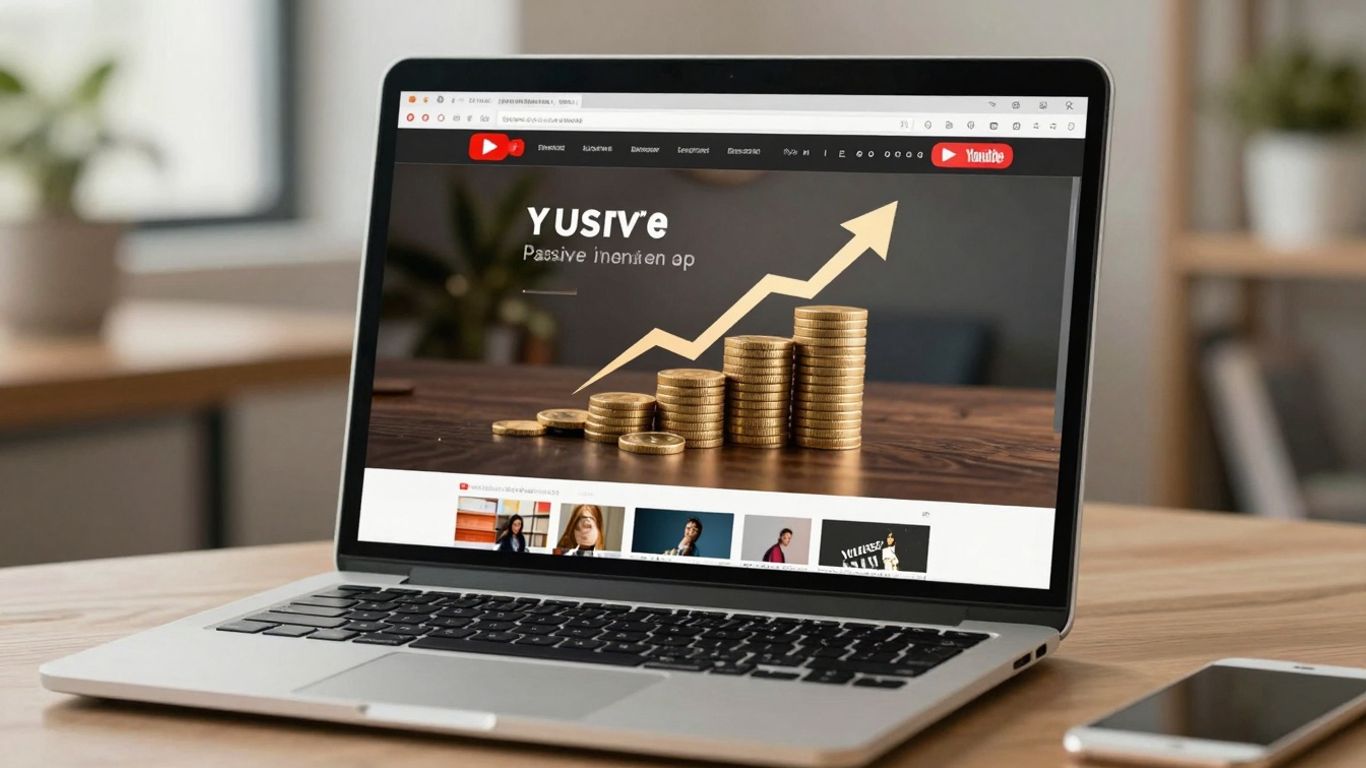
So, you've got your content machine humming, but how do you actually get people to watch it and keep coming back? Building an audience for a faceless channel is all about consistency, smart engagement, and really paying attention to what your viewers like. It’s not just about uploading videos; it’s about creating a connection, even if you’re behind the scenes.
Consistency Is Key: Establishing An Upload Schedule
Think of your upload schedule like a promise to your audience. When you stick to it, people know when to expect new content from you. This builds anticipation and makes your channel feel reliable. YouTube’s algorithm also likes this; it sees a channel that’s actively putting out content and is more likely to show it to more people. It doesn't have to be daily, but it does need to be regular. Maybe it's every Tuesday, or the first and third Friday of the month. Whatever it is, make it happen.
- Weekly Uploads: Aim for at least one video per week if possible. This keeps your channel fresh in the algorithm's eyes.
- Bi-Weekly Uploads: If weekly is too much, twice a month is a solid alternative. Just be consistent with which weeks you choose.
- Monthly Uploads: This is the minimum for most channels. It's better than nothing, but growth might be slower.
Sticking to a schedule helps viewers form habits around your content. They'll start looking forward to your next video, which is exactly what you want for steady growth.
Engaging With Your Community Behind The Scenes
Just because you're not on camera doesn't mean you can't interact with your viewers. Your comments section is a goldmine for building a community. Respond to comments, ask questions in your videos to encourage discussion, and maybe even pin a great comment. You can also use community posts to share updates, ask for opinions on future video topics, or just say hello. It shows there's a real person behind the content, even if they're not showing their face.
- Respond to Comments: Try to reply to as many comments as you can, especially early on. This makes viewers feel heard.
- Ask Questions: End your videos with a question related to the content to get people talking in the comments.
- Use Community Tab: Post polls, behind-the-scenes tidbits (like a picture of your editing setup), or just engage in conversation.
Analyzing Performance Metrics To Refine Your Strategy
YouTube Analytics is your best friend. It tells you what's working and what's not. Don't just look at views; dig deeper. Pay attention to:
- Audience Retention: Where are people dropping off in your videos? If it's always at the same spot, maybe that part needs to be shorter or more engaging.
- Click-Through Rate (CTR): How many people click on your video when they see the thumbnail and title? A low CTR might mean your thumbnails or titles need work.
- Average View Duration: How long are people watching on average? Longer watch times signal to YouTube that your content is good.
Here's a quick look at what to track:
Use this information to tweak your content. If a certain type of video gets a lot of watch time, make more like it. If a specific intro keeps viewers hooked, use it again. It’s a continuous process of learning and improving.
Essential Tools And AI For Faceless YouTube Success
Alright, so you're ready to build this faceless channel, but you're probably wondering what kind of gear or software you actually need. The good news is, you don't need a Hollywood studio. A lot of what makes these channels work can be done with readily available tools, and increasingly, with the help of AI. It's about working smarter, not harder, right?
Scripting and Voiceover Generation Tools
Your script is the backbone of your video since you're not relying on your face to convey emotion. You need words that are clear, engaging, and keep people watching. For scripting, think about tools that help you organize your thoughts. Some people like simple text editors, while others prefer dedicated scriptwriting software that can help with formatting and flow. When it comes to voiceovers, you have a few options. You can record your own voice, which adds a personal touch. If that's not your thing, or you want to speed things up, AI voice generators are getting really good. They can produce natural-sounding narration in various accents and tones. This is a game-changer for consistency and if you're not comfortable with your own voice.
- AI Scriptwriting Assistants: Tools that can help brainstorm ideas, outline scripts, or even write entire drafts based on a prompt. This can save a ton of time.
- Text-to-Speech Software: High-quality AI voice generators that offer a range of voices, languages, and emotional tones.
- Audio Editing Software: Basic programs to clean up your voiceovers, remove background noise, and adjust volume levels.
AI-Powered Video Editing and Animation Software
This is where things get really interesting for faceless content. Instead of filming yourself, you're assembling visuals. AI tools can help automate a lot of this. Think about software that can take your script and automatically find relevant stock footage or generate simple animations to go along with your narration. Some platforms can even create entire videos from a text prompt, which is pretty wild. You're essentially directing an AI to build your video for you. With agentic video editing, AI agents can also help handle parts of the editing process, such as organizing clips, making edits, and refining videos based on instructions. This means you can produce content much faster and more consistently than if you were filming everything yourself.
- AI Video Generators: Platforms that can create videos from text, scripts, or articles, often including stock footage, music, and AI voices.
- Animation Software: Tools that allow you to create animated explainers, motion graphics, or character animations without needing to be a professional animator.
- Stock Footage Libraries: Access to vast libraries of video clips and images that you can use to illustrate your points.
Thumbnail Creation Platforms for Maximum Impact
Your thumbnail is the first thing people see, so it has to grab their attention. Even if your video content is amazing, a weak thumbnail can mean people scroll right past. You don't need to be a graphic designer to make good thumbnails. There are plenty of user-friendly platforms that offer templates and drag-and-drop features. The goal is to create a visual that is clear, intriguing, and accurately represents your video's topic. Think bold text, high-contrast colors, and images that spark curiosity. Consistency in your thumbnail style also helps viewers recognize your channel over time.
- Canva: A very popular and easy-to-use platform with tons of templates for YouTube thumbnails.
- Adobe Express: Similar to Canva, offering templates and design tools for quick creation.
- Figma: A more advanced tool for designers, but still accessible for creating professional-looking thumbnails.
The key takeaway here is that technology, especially AI, is making it easier than ever to create professional-looking faceless YouTube content. Don't get bogged down by thinking you need expensive equipment. Focus on learning these tools and using them to tell your story or share your knowledge effectively. It's about the value you provide, not necessarily the face you show.
Wrapping It Up
So, there you have it. Building a faceless YouTube channel in 2025 isn't some far-off dream; it's a totally doable reality. We've gone over how you can pick a niche that actually works, create content without ever showing your face, and actually make money from it. Remember, it’s not about overnight fame or getting lucky. It’s about being consistent, learning as you go, and treating it like a real business. Whether you're using your voice, animations, or even AI, the tools are there to help you succeed. So, stop thinking about it and start doing it. Your passive income journey is just a few clicks away.
Frequently Asked Questions
What exactly is a "faceless" YouTube channel?
A faceless YouTube channel is one where you don't show your face on camera. Instead, you use things like voiceovers, animations, cool graphics, or just footage to tell your story or share information. It's a way to create content and connect with people without being the on-screen star.
Can beginners really make money with a faceless channel?
Absolutely! Many beginners start faceless channels and do very well. The key is to pick a good topic, make helpful or interesting videos consistently, and learn as you go. It's not always super fast, but it's definitely possible to earn money.
Is it hard to create videos without showing my face?
It can be easier for some! You don't need to worry about how you look on camera. You can use tools to create animations, find great stock videos, or record your voice. There are lots of ways to make engaging videos without being in them.
How much money can a faceless channel make?
That really depends on your topic, how many people watch your videos, and how you decide to make money. Some channels make a little extra cash, while others can earn thousands of dollars every month. It's like any business – the more effort and smarts you put in, the more you can potentially earn.
What kind of topics work best for faceless channels?
Lots of topics do well! Think about things like explaining complex subjects, sharing interesting stories, reviewing products, teaching skills, or even talking about news. Niches like technology, health, finance, true crime, and self-improvement are popular because people are always looking for information on these subjects.
Do I need fancy equipment to start?
Not at all! You can start with a decent microphone for your voiceovers and a computer. Many free or affordable tools can help you edit videos, find images, and even create animations. The most important thing is the quality of your ideas and how well you present them.







Privacy is important to us, so you have the option of disabling certain types of storage that may not be necessary for the basic functioning of the website. Blocking categories may impact your experience on the website. View Our Privacy Policy


