
Unlock High Conversions: Mastering UGC Facebook Ads in 2025
Running Facebook ads can feel like you're just guessing, right? You put money in, and hope for the best, but sometimes the results just aren't there. It doesn't have to be that way, though. Success on Facebook is really about having a good plan, especially with what your ads actually look like. This guide will show you the main things to focus on to make your ugc facebook ads work better, helping you get more from your ad money, whether you're just starting out or you've been doing this for a while. Getting these parts right is a big deal.
Key Takeaways
- User-generated content (UGC) is super important for making ugc facebook ads feel real and connect with people in 2025.
- Making your ads look good and grab attention fast is the first step to stopping people from scrolling past.
- Using AI tools can help create different versions of your ads automatically and find the best ones for different people.
- Knowing who you're talking to, using your own customer data, and making specific groups is key for effective ugc facebook ads.
- Testing your ads and looking at the results is how you figure out what's working and make your ugc facebook ads even better.
Understanding The Power Of Ugc Facebook Ads
Running Facebook ads can sometimes feel like you're just guessing, hoping for the best. You put your money in, and then you wait, often seeing results that are just okay. But here's the thing: success on Facebook isn't really about luck. It's about having a solid plan, especially when it comes to the ads themselves.
Why User-Generated Content Dominates In 2025
In today's digital world, people are tired of slick, overly produced ads. They want to see real people using real products. That's where user-generated content, or UGC, comes in. Think of it as content created by your actual customers – photos, videos, reviews – shared online. This kind of content feels more honest and trustworthy. In 2025, this trend is only getting stronger. People trust recommendations from other users way more than they trust brand messages. It’s like getting a tip from a friend versus a salesperson.
The Authenticity Advantage Of Ugc Facebook Ads
What makes UGC ads so good? It's all about authenticity. When potential customers see someone like them using and enjoying a product, it’s much more convincing. These ads often look like they were made by a regular person, not a big marketing team. This lack of polish is actually a good thing; it makes the ad feel genuine. This realness helps cut through the noise of typical advertising. It builds trust faster because it doesn't feel like a sales pitch. It’s a direct look at how your product fits into someone's actual life.
Boosting Engagement With Real Customer Stories
People connect with stories. UGC provides a constant stream of real stories from your customers. These stories show how your product solves a problem, makes life easier, or brings joy. When you use these customer testimonials or visual content in your Facebook ads, you're not just showing a product; you're showing a positive experience. This makes people more likely to stop scrolling and pay attention. It’s this connection to real experiences that drives higher engagement rates and, ultimately, better results for your campaigns.
Crafting High-Converting Ugc Facebook Ads
Okay, so you've got your UGC, and you're ready to put it to work. But just slapping a customer photo onto an ad isn't a magic bullet. You still need to make it work hard for you. Think of it like this: UGC is the raw ingredient, and your ad creative is the recipe that turns it into a delicious meal. We need to make sure people actually stop scrolling and pay attention.
Capturing Attention With Compelling Visuals
Facebook is a fast-moving place. People are scrolling through their feeds, and you've got maybe a second, maybe two, to make them pause. Your visual is the absolute first thing they see. Generic stock photos? Yeah, those usually get ignored. People want to see real stuff, real people, and real products in action. That's where your UGC shines.
- Use clear, bright images or videos. Blurry or dark visuals just won't cut it.
- Show the product being used. How does it solve a problem or make life better?
- Keep text overlays minimal. If you add text, make sure it's easy to read and highlights a key benefit.
The goal here is to look less like an advertisement and more like a genuine recommendation from a friend. Authenticity is king.
Writing Headlines That Hook Your Audience
After the visual grabs their eye, the headline has to make them want to know more. It's short, so it needs to pack a punch. Don't just state what your product is; tell them what it does for them.
- Benefit-driven: Instead of "New Coffee Maker," try "Wake Up Faster with Our 60-Second Coffee Maker."
- Curiosity-sparking: "You Won't Believe How This Solved My Sleep Problem."
- Problem/Solution focused: "Tired of [Pain Point]? This Simple Fix Changes Everything."
Developing Persuasive Body Copy
Your body copy needs to be direct and to the point. People aren't reading essays on Facebook. Get straight to the value proposition. Start by acknowledging a common problem your audience faces, then introduce your UGC-powered solution.
- Address a pain point: "Struggling to keep your plants alive?"
- Introduce the solution: "See how Sarah used our self-watering planter to go from wilting leaves to lush greenery."
- Highlight key benefits: Mention ease of use, time saved, or results achieved.
Keep the language conversational, like you're talking to a friend. Avoid overly technical terms or marketing buzzwords. The UGC itself often does a lot of the heavy lifting in building trust.
Implementing Strong Calls-To-Action
What do you want people to do after seeing your ad? You need to tell them clearly. A weak or missing call-to-action (CTA) means lost opportunities. Make it obvious and easy for them to take the next step.
- Be specific: "Shop Now," "Learn More," "Get Your Free Trial," "Sign Up Today."
- Use action verbs: Start with a verb that tells them what to do.
- Match the landing page: Make sure the CTA on your ad aligns with what they'll see when they click through.
Leveraging AI And Automation For Ugc Facebook Ads
Alright, let's talk about how AI and automation are changing the game for UGC Facebook ads. It's not just about posting cool customer photos anymore; it's about making sure those posts work as hard as possible for your business.
AI-Powered Creative Optimization For Ugc
Think of AI as your super-smart assistant for ads. Instead of you guessing what works best, AI can test tons of different versions of your UGC ads automatically. It looks at things like different headlines, images, and calls to action, figuring out which combinations get the most clicks and conversions. This means you're not wasting money on ads that aren't performing. Meta's tools, like Dynamic Creative, are built for this, letting you upload all your best UGC assets and letting the AI figure out the winning formula. It's a huge time-saver and often leads to better results than manual testing. For instance, using AI to test creative variations can boost engagement rates by 15-30%.
Automating Ad Variations With Dynamic Creative
This is where the magic really happens. Dynamic Creative is a feature that lets you provide multiple pieces of content – think several customer photos, different video clips, various headlines, and a few calls to action. Facebook's AI then mixes and matches these elements to create personalized ads for different people in your audience. It’s like having an ad for everyone, tailored just for them. This approach has been shown to increase return on ad spend (ROAS) by as much as 30%. It's a smart way to make sure your UGC is always relevant and engaging, reducing ad fatigue and keeping your campaigns fresh.
Leveraging Advantage+ For Ugc Campaigns
Advantage+ is Meta's suite of automated campaign tools, and it's a game-changer for UGC ads. It can automate everything from audience targeting to budget allocation and creative placement. For UGC campaigns, this means Advantage+ can help find the right people who are most likely to respond to authentic customer content. It also helps optimize your ad spend in real-time, shifting budget to the best-performing ads and audiences. This automation frees you up to focus on sourcing great UGC and overall strategy, rather than getting bogged down in the day-to-day management. It's all about making your campaigns work smarter, not harder, and driving better results with less manual effort.
Mastering Audience Targeting For Ugc Facebook Ads

Okay, so you've got some awesome user-generated content ready to go. That's great! But if you're showing those ads to just anyone, you're basically throwing money away. Getting your ads in front of the right people is super important. It's like having the perfect message but shouting it in an empty room – nobody hears it.
Precision Targeting With First-Party Data
Think about who your best customers are. You probably already have a bunch of information about them, right? Like email lists from people who signed up for your newsletter, or maybe a list of folks who bought something from you before. This is your first-party data, and it's gold. You can upload these lists directly to Facebook (Meta) and create what they call a 'Custom Audience'. This means you can show your UGC ads specifically to people who already know and like your brand, or who fit a very specific profile you've defined.
- Upload your customer email lists.
- Use website visitor data (people who added to cart but didn't buy, for example).
- Target people who engaged with your Facebook or Instagram page.
Using your own data is the most direct way to reach people who are already familiar with your business. It cuts out a lot of the guesswork.
When privacy rules get tighter, having your own data becomes even more important. It's a reliable way to connect with your audience without relying solely on Meta's broader tracking.
Building Lookalike Audiences From Ugc
Once you've got a solid Custom Audience, you can take it a step further. Facebook has this cool feature called 'Lookalike Audiences'. You give Facebook your best customer list (your Custom Audience), and its system finds new people who share similar traits and behaviors. It's like asking Facebook to find more people who are just like your most valuable customers.
- Start with a 1% Lookalike: This is the most similar group to your source audience. It's usually the best place to begin for performance.
- Expand to 2-5% Lookalikes: If you need to reach more people and scale up, you can test these broader audiences.
- Use your highest-value customer lists as the source for the best results (e.g., past purchasers, high-spending customers).
This is a really effective way to find new customers who are likely to be interested in your product or service, especially when you're using UGC that already shows real people enjoying what you offer.
Segmentation Strategies For Ugc Campaigns
Don't just lump everyone into one big audience. You can get more specific. Think about different groups of people who might respond to your UGC ads in different ways. Maybe you want to show a UGC ad featuring a specific product to people who have already looked at that product on your website. Or perhaps you want to show a general brand awareness UGC ad to a broader audience.
Here are a few ways to segment:
- By Engagement Level: Target people who frequently interact with your content versus those who rarely do.
- By Purchase History: Separate first-time buyers from repeat customers.
- By Interest: Combine your first-party data with Facebook's interest targeting for more refined groups.
By breaking down your audience and tailoring your UGC ads to these smaller, more specific groups, you'll likely see better results and less wasted ad spend. It's all about showing the right content to the right person at the right time.
Optimizing Ugc Facebook Ads For Mobile
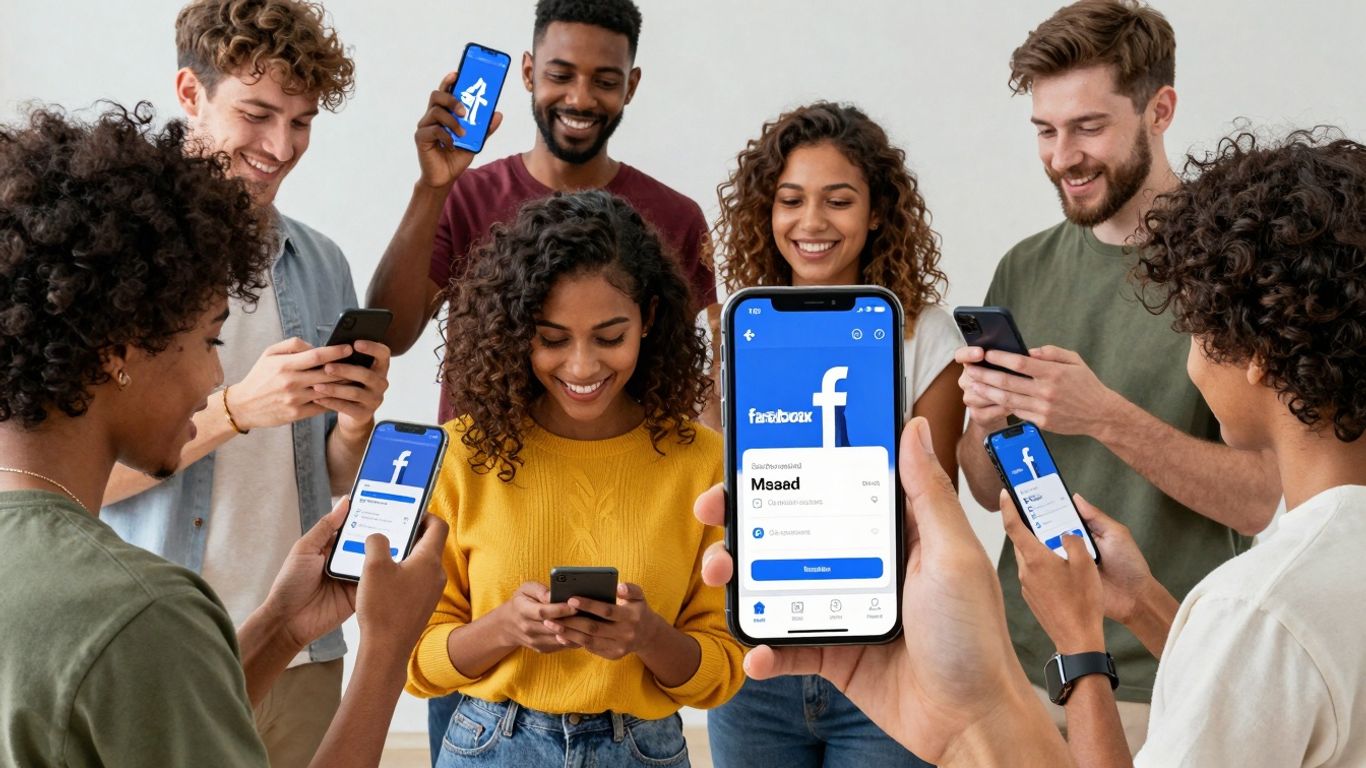
Most people check Facebook on their phones these days, right? Like, over 98% of them. So, if your ads look clunky or hard to read on a small screen, you're basically throwing money away. It's not just about making them fit; it's about making them work better on mobile.
Designing For Mobile-First Video Consumption
Video is king, especially on mobile. Think about how you scroll through Reels or Stories – it's all vertical. Your UGC videos should be shot and edited with that 9:16 aspect ratio in mind. This way, they fill up the whole screen, grabbing attention way faster. The first three seconds are super important; make them count with something dynamic or a question that makes people stop scrolling. Don't make people wait for the good stuff.
Ensuring Readability And Clickability On Mobile
Nobody wants to squint at tiny text on their phone. Keep the words on your ad brief and to the point. Use clear, simple language. If you're using text overlays, make sure they're big enough to read easily. And those call-to-action buttons? They need to be obvious and easy to tap. If people can't figure out what to do or can't tap the button without hitting three other things, they'll just move on.
Adapting Ugc Formats For Small Screens
It's not just video. Even images need to be mobile-friendly. Square images often work well. Think about how the ad will look in different placements, like the feed versus Stories. Sometimes, what looks great in the Ads Manager preview might get cut off or look weird in the actual feed. It's a good idea to test different formats to see what performs best on phones. You might even want to create a few versions of your UGC ad specifically for mobile.
When you're creating your ads, always ask yourself: 'How would I want to see this if I were scrolling through Facebook on my phone right now?' If the answer isn't immediately obvious and positive, it's time to go back to the drawing board. Mobile optimization isn't an afterthought; it's a core part of making your UGC ads actually work.
Data-Driven Iteration Of Ugc Facebook Ads
The Importance Of A/B Testing Ugc Creatives
So, you've got some awesome user-generated content ads running. That's great! But are you just letting them run and hoping for the best? That's not really how you get top results. We need to be smart about this. A/B testing is your secret weapon here. It’s about making small, calculated changes to see what works better. Think of it like this: you wouldn't just guess which ingredients make your favorite cookies, right? You'd probably tweak the sugar or the chocolate chips a bit to find the perfect mix. Ad testing is the same idea, but for your ad spend.
We're talking about testing different versions of your ads against each other to see which one performs best. This could be as simple as changing the headline, tweaking the main image, or even altering the call-to-action button. The goal is to figure out what makes people click and convert more often. This constant refinement is what separates ads that just exist from ads that actually make you money.
Here’s a quick look at what you might test:
- Headlines: Try different hooks. Does a question work better than a statement?
- Visuals: Test two similar UGC photos or videos. Maybe one has more action, the other focuses on the product.
- Calls-to-Action (CTAs): "Shop Now" versus "Learn More." Does one get more clicks?
- Ad Copy: Short and punchy versus a bit more descriptive.
Tracking Campaign Impact With UTM Parameters
Okay, so you've tested your ads and found some winners. Now, how do you know exactly where that traffic and those sales are coming from once they leave Facebook? This is where UTM parameters come in. They're like little tracking codes you add to the end of your ad's URL. They don't change the landing page at all, but they tell your website analytics (like Google Analytics) exactly which Facebook ad, campaign, or even specific creative sent the visitor over. Without them, you're just guessing.
Imagine seeing a report that says "facebook.com / referral" versus one that breaks down "Source: Facebook, Medium: CPC, Campaign: SummerSale2025, Content: Tropical-Video-Ad." See the difference? That second one tells you precisely which ad in your Summer Sale campaign, the one with the tropical video, brought in the sales. This level of detail is super important for knowing where to put your money. You can stop wasting cash on ads that aren't pulling their weight and put more into the ones that are proven winners. It’s about making smart decisions based on real data, not just a hunch. For more on this, check out how UTM parameters work.
Analyzing Key Metrics For Ugc Success
Once your ads are running and you're collecting data, you need to know what numbers actually matter. It’s easy to get lost in all the stats Facebook Ads Manager throws at you. But really, we need to focus on what tells us if we're making money. Key Performance Indicators (KPIs) are your best friends here.
- Return On Ad Spend (ROAS): This is the big one. It tells you how much revenue you're getting back for every dollar you spend on ads. A higher ROAS means you're making more profit.
- Cost Per Acquisition (CPA): How much does it cost you to get one customer? If your CPA is too high, you might not be making much profit on each sale.
- Conversion Rate: What percentage of people who click your ad actually complete the desired action (like making a purchase)? A low conversion rate might mean your landing page isn't doing its job.
- Click-Through Rate (CTR): While not a direct profit metric, a good CTR shows your ad is grabbing attention and relevant to the audience.
Regularly looking at these numbers helps you spot problems early. For example, if your CTR is high but your conversion rate is low, it suggests your ad is attracting clicks, but the landing page or offer isn't convincing enough. Or, if your frequency metric (how many times someone sees your ad) gets too high and your CTR drops, it's a sign of ad fatigue – people are tired of seeing the same ad.
Making a habit of regularly auditing your Facebook ad strategy with this data is non-negotiable if you want to stay ahead. If an ad set isn't performing, don't be afraid to cut its budget and shift those funds to a campaign that's already proven to be a winner. This simple action can seriously boost your overall profitability.
Wrapping It Up
So, we've gone over a lot of stuff about making Facebook ads work better, especially using that user-generated content. It's not just about throwing money at ads and hoping for the best. You really need to think about what you're showing people, how you're talking to them, and making sure it all looks good on their phones. By focusing on real people and what they actually create, you can make ads that feel more honest and get people to actually click. It takes some effort, sure, but seeing those conversion numbers go up makes it all worth it. Keep testing, keep learning, and you'll get there.
Frequently Asked Questions
What exactly is UGC in Facebook ads?
UGC stands for User-Generated Content. It's basically content like photos, videos, or reviews that real customers create about a product or service, instead of the company making it. When you use this kind of content in your Facebook ads, it feels more real and trustworthy to other shoppers.
Why is UGC so important for Facebook ads in 2025?
People trust other people more than they trust ads from companies. In 2025, everyone is looking for honest opinions. UGC ads show real people using and liking a product, which makes potential customers feel more confident about buying it. It's like getting a recommendation from a friend.
How can I get UGC for my Facebook ads?
You can ask your customers to share their experiences, run contests where they submit photos or videos, or simply keep an eye out for great content they post about your brand. Make sure you always get permission before using their content in your ads!
What makes UGC ads perform better than regular ads?
UGC ads are more believable because they aren't polished or overly promotional. They show the product in everyday situations, which helps people imagine themselves using it. This realness often leads to more clicks and sales because it builds trust faster.
Should I use AI tools with my UGC Facebook ads?
Yes, absolutely! AI tools can help you find the best UGC content, test different versions of your ads to see what works best, and even help you show the right ad to the right people. It's a great way to make your UGC ads even more effective.
How do I make sure my UGC ads look good on phones?
Most people use their phones to look at Facebook. So, make sure your UGC videos are vertical (like for Stories or Reels) and that any text on the images is easy to read on a small screen. Buttons should be big enough to tap easily. Think 'mobile-first'!








Privacy is important to us, so you have the option of disabling certain types of storage that may not be necessary for the basic functioning of the website. Blocking categories may impact your experience on the website. View Our Privacy Policy


