
Unlock Engagement: Your Ultimate Guide to Social Media Post Templates

Social media can feel like a wild west sometimes, right? You post something, and then... crickets. Or maybe it's the opposite, and you're drowning in content ideas. Either way, figuring out what works and how to make it stick can be a real puzzle. That's where social media post templates come in. Think of them as your helpful shortcuts, your pre-made blueprints for creating posts that actually get noticed and get people talking. This guide is all about making that process way simpler and way more effective.
Key Takeaways
- Using a social media post template can really help keep your content consistent and save you time. It's like having a recipe for your posts.
- Visuals are big. Using image, video, or infographic templates can make your posts pop and grab attention way faster than just text.
- Don't forget text! Simple text-based posts, especially questions or quotes, are great for getting people to interact and share their thoughts.
- Different social media sites like Instagram, Facebook, or X need different kinds of posts. A good template strategy means tweaking your posts for each place.
- Keep an eye on how your posts do. Tracking likes, shares, and comments helps you figure out which social media post template is working best and what to change next.
Understanding Social Media Post Template Essentials
The Role of Templates in Social Media Strategy
Think about social media posting like cooking. You could start from scratch every single time, measuring out every grain of salt and chopping every single vegetable. Or, you could have a few go-to recipes, maybe a basic sauce or a reliable cake mix, that you can build upon. Templates are kind of like those recipes for your social media. They give you a starting point, a structure that you know works, so you don't have to reinvent the wheel every time you want to put something out there.
Using templates helps make your social media efforts more consistent and efficient. It means you can spend less time figuring out what to post and more time thinking about why you're posting it and if it's actually helping you reach your goals. Whether you're trying to get more people to visit your website, sell more products, or just get people talking about your brand, having a template can keep you on track.
Here's a quick look at why they're so handy:
- Consistency: Keeps your brand looking and sounding the same across different posts and platforms.
- Speed: Saves you time by providing a ready-made structure.
- Focus: Helps you remember what you're trying to achieve with each post.
- Adaptability: You can tweak them to fit different messages or platforms.
Without a plan or a structure, social media can feel like shouting into the void. Templates give your efforts a framework, making them more likely to be heard and acted upon.
Key Components of an Effective Social Media Post Template
So, what actually goes into a good social media template? It's not just a blank box waiting for words and pictures. There are a few things that make a template really work for you. Think of it like building blocks. You need the right pieces to make something strong.
Here are the main parts:
- Visual Area: This is where your image, video, or graphic goes. It's usually the first thing people see, so it needs to grab attention. Templates often have a designated spot for this, maybe with specific dimensions in mind for different platforms.
- Headline/Hook: The first line of text. This needs to make people stop scrolling and want to read more. A good template might have a placeholder for a strong opening statement or a question.
- Body Text Area: This is where you put the main message. Templates can guide you on how much text is appropriate, or suggest where to put key information.
- Call to Action (CTA): What do you want people to do after seeing your post? Visit a link? Comment? Share? A template can remind you to include this and give you a spot for it.
- Hashtags/Keywords: These help people find your content. Templates can suggest where to put them or even offer a list of common ones for your industry.
- Branding Elements: Things like your logo, brand colors, or a specific font. These should be easy to add or already built into the template so your post looks like it came from you.
Choosing the Right Social Media Post Template for Your Brand
Not all templates are created equal, and what works for one brand might not work for another. It’s like picking out clothes – you wouldn't wear a tuxedo to go hiking, right? You need to pick templates that fit your brand's personality and what you're trying to do.
Consider these points:
- Your Brand's Vibe: Are you playful and fun? Serious and professional? Minimalist? Your templates should match this. A template with lots of bright colors and playful fonts won't fit a serious financial advisor, for example.
- Your Goals: What are you trying to achieve? If you want people to click links, you'll need templates that make the CTA clear. If you're focused on engagement, maybe templates with questions or prompts are better.
- Your Audience: Who are you talking to? What kind of content do they like? What platforms are they on? A template that works well for a younger audience on TikTok might not land with an older, professional audience on LinkedIn.
- The Platform: Different social media sites have different styles and best practices. A template designed for Instagram might be too busy for X (formerly Twitter) or not visually interesting enough for Pinterest.
It’s often a good idea to start with a few general templates and then tweak them. You might find that a simple text-based template works best for sharing industry news, while a more visual template is better for product announcements. Don't be afraid to experiment a little to see what sticks.
Leveraging Visual Social Media Post Templates
Let's talk visuals. In the fast-paced world of social media, grabbing attention is half the battle, and visuals are your secret weapon. Templates make it way easier to create eye-catching graphics and videos without needing a design degree. They help keep your look consistent, which is super important for brand recognition.
Image-Based Post Templates for Maximum Impact
Static images are still kings and queens of social media. They're quick to look at, easy to share, and can pack a punch. Think about using templates for:
- Quotes with a branded background: Easy to read and share, especially if the quote is inspiring or relatable.
- Behind-the-scenes glimpses: People love seeing the human side of a brand. Show your team, your workspace, or how a product is made.
- Product close-ups: Highlight the details of what you offer. Make it look good!
- User-generated content: Share photos or graphics from your customers. It's authentic and builds trust.
The key is to keep text on images minimal, especially on platforms like Instagram, so your message doesn't get lost in the scroll. A simple, clean design often works best. You can use templates to add your logo, brand colors, and fonts to make sure every image feels like you.
Video and GIF Templates for Dynamic Content
Video and GIFs add movement and life to your feed. They're great for showing things in action or just adding a bit of fun.
- Product demos: Show how your product works in a short, engaging clip.
- Quick tips or tutorials: Break down a process into easy-to-follow steps.
- Event highlights: Share snippets from events to create excitement.
- Animated text or graphics: Use templates to add dynamic elements that draw the eye.
GIFs, those short looping animations, are perfect for quick reactions or adding personality. Many platforms have built-in GIF libraries, but templates can help you create branded ones.
Infographic Templates for Data Visualization
Got data? Infographics are your best friend. They take complicated information, like statistics or step-by-step guides, and make it super easy to digest visually.
- Industry statistics: Share interesting numbers that back up your points.
- Comparisons: Show how different options stack up.
- How-to guides: Break down a process into simple visual steps.
Using infographic templates means you don't have to be a graphic designer to create something that looks professional and informative. These are fantastic for platforms like LinkedIn and Pinterest where people often look for educational content.
Visual templates help maintain a consistent brand identity across all your posts. This consistency builds recognition and trust with your audience over time. It's not just about looking pretty; it's about building a recognizable presence.
Crafting Engaging Text-Based Social Media Post Templates
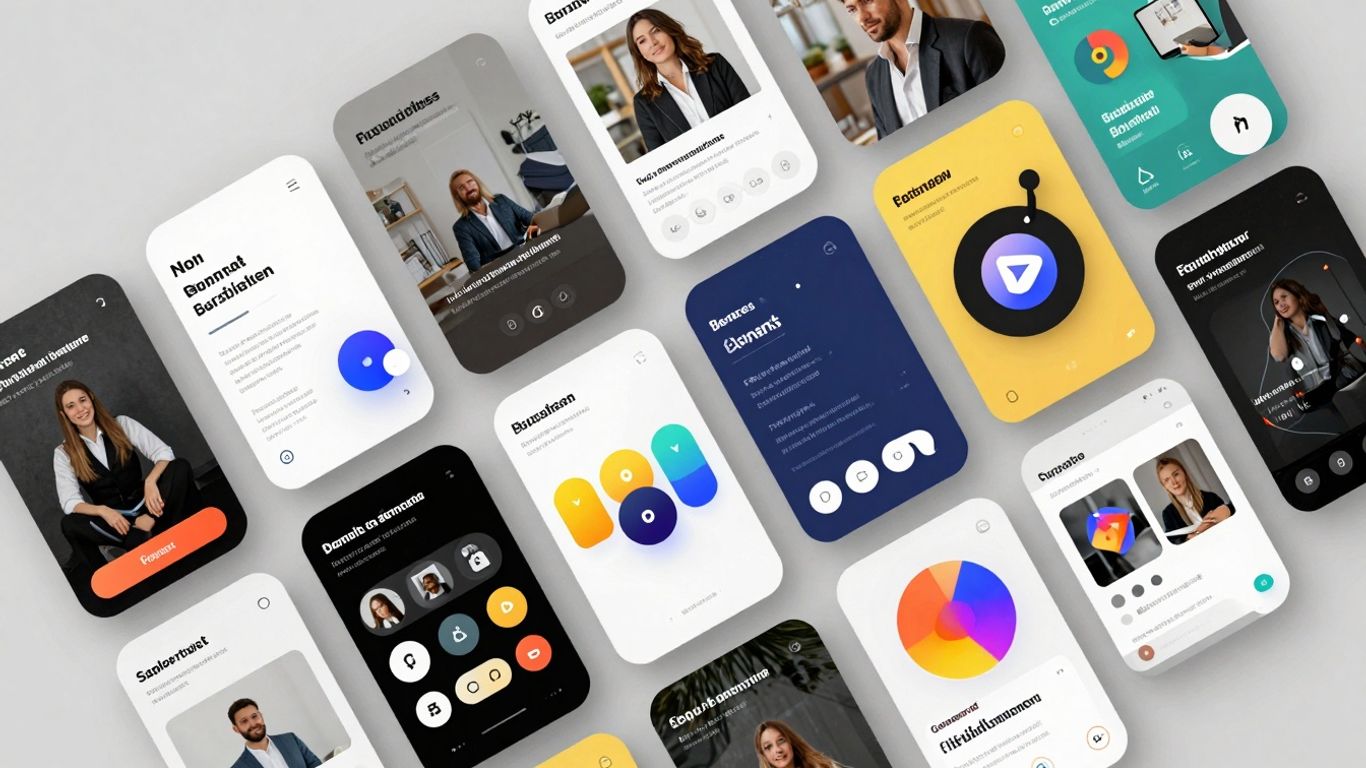
Sometimes, you don't need fancy graphics or slick videos to get your point across. Good old-fashioned words can be incredibly powerful on social media. Text-based posts are fantastic for sharing quick thoughts, asking questions, or even just dropping a bit of wisdom. The key is to make every word count.
Think about platforms like X (formerly Twitter), Threads, or LinkedIn. These places are practically built for text. Even on image-heavy platforms like Instagram or Facebook, a well-written caption can make a huge difference. It’s all about connecting with your audience directly through your words.
Here are a few types of text-based templates that work well:
- Thought Leadership Posts: Share your unique perspective on industry trends, offer advice, or discuss a topic you're knowledgeable about. This builds your authority.
- Question and Poll Templates: Directly ask your audience for their opinions or experiences. This is a simple way to get people talking and provides you with insights.
- Quote Templates: Share inspiring quotes, famous sayings, or even your own brand's mottos. These are often shareable and can align with your brand's values.
When crafting text-based posts, remember to keep your audience in mind. What kind of language do they use? What topics interest them? Tailoring your message makes it more likely to connect.
Let's break down some specific templates:
Text-Only Templates for Thought Leadership
These posts are your chance to show you know your stuff. You're not just posting; you're sharing insights that make people think. It could be a breakdown of a complex topic, a prediction about the future of your industry, or a personal reflection on a business challenge.
- Template Idea: "My take on [Industry Trend]: I believe [Your Opinion] because [Reason 1] and [Reason 2]. What are your thoughts?"
- Example: "My take on AI in marketing: I believe it will automate repetitive tasks, freeing up creatives for strategy, because it can analyze data faster and generate basic content. What are your thoughts?"
Question and Poll Templates for Interaction
Getting people to engage is the name of the game, and questions are a direct route. Polls are even easier because they require minimal effort from your audience. They're great for quick feedback or just sparking a bit of fun.
- Template Idea (Question): "Quick question for you all: When it comes to [Topic], do you prefer [Option A] or [Option B]? Let me know below!"
- Template Idea (Poll): "What's your biggest challenge with [Task]? A) Time B) Resources C) Knowledge D) Other (comment below!)"
Quote Templates for Inspiration and Branding
Quotes are versatile. They can be motivational, funny, or deeply insightful. When you use quotes that align with your brand's voice and values, they become a subtle yet effective branding tool. You can use a simple graphic with the quote or just present the text itself.
- Template Idea: "' [Quote Text] ' - [Attribution, if applicable]. This reminds me of [Your Brand's Connection/Lesson]."
- Example: "'The only way to do great work is to love what you do.' - Steve Jobs. This reminds me of how passionate our team is about helping small businesses succeed."
Platform-Specific Social Media Post Template Strategies
Tailoring Templates for Instagram and TikTok
Instagram and TikTok are all about visuals. Think bright colors, quick cuts, and content that grabs attention fast. For Instagram, image-based templates are still king. You can use templates with clean layouts for product shots, or ones with space for text overlays for quotes or quick tips. Carousels work great too, letting you tell a mini-story or break down information step-by-step. Remember, on Instagram, especially in the feed, less text on the image itself is usually better. Let the caption do the heavy lifting.
TikTok, on the other hand, is all about short-form video. Templates here often involve trending sounds, popular video formats, or challenges. You're looking for templates that allow for dynamic editing, text that pops up and disappears, and maybe even green screen effects. Think about templates that can be easily adapted to show a process, a before-and-after, or just a fun, relatable moment. The key is to be authentic and jump on trends quickly.
Optimizing Templates for Facebook and LinkedIn
Facebook is a bit of a mixed bag. While video does well, images and even well-crafted text posts can still get a lot of love. For Facebook templates, consider ones that work for both single images and carousels. Templates with clear calls to action are good for driving traffic or promoting events. You can also use templates for sharing links to blog posts or articles, making sure the preview image is eye-catching.
LinkedIn is a professional space, so your templates should reflect that. While video and images are good, text-based posts often perform very well, especially for thought leadership or industry insights. Using a LinkedIn Text Formatter can help structure your text posts better, highlight key points, and improve readability, making your professional insights more impactful and engaging. Templates for LinkedIn might include a clean background for a quote, a structured format for sharing an article summary, or even a template for a PDF document (like a short report or guide). Think about templates that allow for more detailed captions and encourage professional discussion.
Here's a quick look at content types that tend to do well on these platforms:
- Facebook: Short videos, engaging images, link shares, text posts with questions.
- LinkedIn: Text-based insights, professional videos, image posts with data, shared articles.
Adapting Templates for X (Twitter) and Other Platforms
X (formerly Twitter) is fast-paced and text-heavy, though visuals can help posts stand out. Templates for X should be concise. Think about templates that work well for short text updates, quick questions, or sharing links with a brief summary. Images and GIFs can be added to make your tweets more noticeable. Thread templates are also useful for breaking down longer thoughts into digestible chunks.
For other platforms like Pinterest, visual templates are paramount. Think infographics, step-by-step guides, and beautiful product imagery. For platforms like Threads or Bluesky, which are more text-focused, simple, clean templates for text posts or short updates are your best bet.
When adapting templates, always consider the primary purpose of the platform and the typical user behavior. What works on a visual-heavy platform like Instagram might fall flat on a text-first platform like X. It's about fitting your message to the medium.
Remember to always check the recommended image and video dimensions for each platform to ensure your templates look their best everywhere.
Advanced Social Media Post Template Techniques
Utilizing Story Templates for Fleeting Content
Social media stories are those short, temporary posts that pop up at the top of feeds, disappearing after 24 hours. Think Instagram Stories, Facebook Stories, or TikTok. Because they don't stick around forever, they feel more casual and real. This makes them great for showing the behind-the-scenes stuff, quick updates, or running polls and Q&As. Starbucks, for example, uses its stories to promote limited-time drinks, linking directly to their app for easy ordering. It’s a smart way to draw attention without cluttering the main feed.
- Behind-the-scenes glimpses: Show your team at work, a day in the life, or how a product is made.
- Interactive elements: Use polls, quizzes, and question stickers to get your audience talking.
- Urgency-driven promotions: Highlight flash sales or limited-edition items.
- Teasers for main feed content: Announce a new blog post or video coming soon.
Stories are your chance to be a bit more spontaneous and less polished. They build a connection because people feel like they're getting an inside look.
Creating Viral-Ready Social Media Post Templates
Making content that goes viral is tricky, and honestly, there's no magic formula. But, you can increase your chances by focusing on templates that tap into shared emotions or trends. Think about memes, relatable humor, or content that sparks strong opinions (in a good way!). The goal is to create something so engaging or shareable that people want to pass it on. For instance, a template that asks a simple, fun question like "What's one thing you can't live without?" can get tons of comments and shares.
- Humor and Memes: Use templates that adapt popular meme formats to your niche. Keep it light and on-brand.
- Inspirational or Motivational Content: Templates featuring uplifting quotes or success stories often get saved and shared.
- Controversial (but safe) questions: Posing a lighthearted debate topic can drive comments.
- User-Generated Content Prompts: Templates that encourage followers to share their own photos or stories related to your brand.
Repurposing Content with Social Media Post Templates
Why create everything from scratch when you can reuse what you've already made? Repurposing content with templates is a smart way to get more mileage out of your existing work. Take a blog post, for example. You can create a template for a carousel post that breaks down the key points, or a template for a short video highlighting the main takeaways. Even a podcast episode can be turned into audiograms or quote graphics using specific templates. This saves time and keeps your social media feeds fresh and consistent.
Measuring Success with Social Media Post Templates
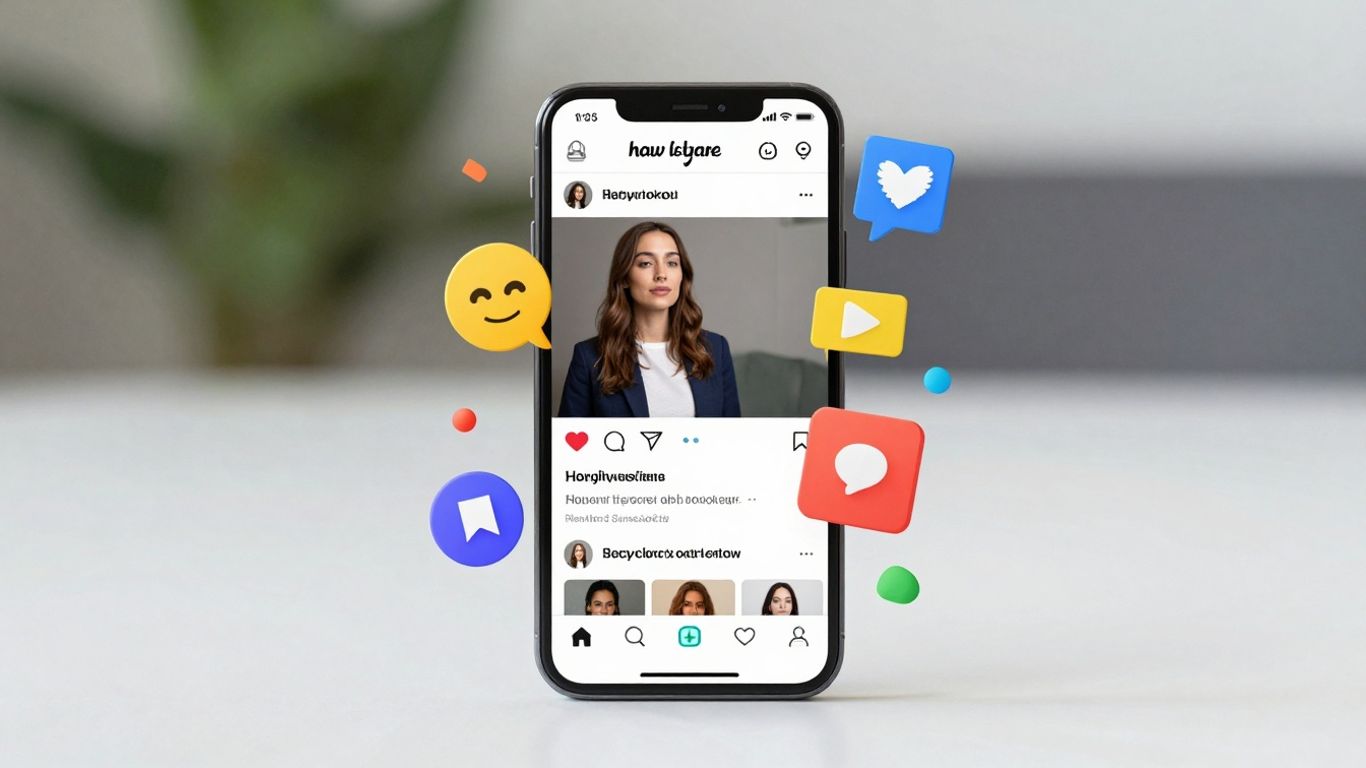
So, you've put all this effort into creating awesome social media post templates. That's great! But how do you know if they're actually doing their job? It's not enough to just post and hope for the best. You've got to look at the numbers. Tracking your results is how you figure out what's working and what's just taking up space in your feed.
Tracking Engagement Metrics with Templates
When you use templates, you're aiming for certain reactions from your audience. Are they liking the posts? Are they commenting or sharing them? These are the basic things to watch. You can set up a simple spreadsheet to keep tabs on this. Think of it like a report card for your posts.
Here are some key metrics to keep an eye on:
- Likes/Reactions: The simplest form of approval. More likes usually mean people liked what they saw.
- Comments: This shows people are invested enough to share their thoughts. It's a good sign of a conversation starting.
- Shares/Retweets: When someone shares your post, they're essentially endorsing it to their own network. That's big.
- Saves: On platforms like Instagram, saves mean people find your content useful enough to want to come back to it later.
- Reach/Impressions: How many people actually saw your post? Reach is unique viewers, while impressions are total views. It tells you how far your message is spreading.
Analyzing Performance with Social Media Post Templates
Looking at those numbers is one thing, but understanding what they mean is another. You need to see how your templates are performing over time and against each other. Did that new template for product announcements get more shares than the old one? Did your question-based templates get more comments?
It's helpful to compare different templates. Maybe you have a template for sharing industry news and another for behind-the-scenes looks. By comparing their performance, you can see which type of content your audience prefers.
Here’s a quick way to visualize this:
This kind of comparison helps you see patterns. For example, maybe your audience really likes seeing what goes on behind the curtain, or perhaps they engage more when you ask them direct questions. It's all about finding those sweet spots.
Iterating on Templates Based on Data Insights
Once you have the data, you can't just sit on it. You need to use it to make your templates even better. If a certain template isn't getting much attention, don't be afraid to tweak it or even retire it. Maybe the image isn't grabbing people, or the text is too long. Small changes can make a big difference.
Think of your templates as living documents. They should evolve as you learn more about your audience and what works on each platform. Don't get too attached to one design if the numbers show it's not hitting the mark. Keep experimenting, keep tracking, and keep improving. That's how you really make your social media work for you.
Wrapping It Up
So, we've gone over a bunch of different ways to make your social media posts pop. From cool images and quick stories to funny memes and helpful infographics, there's a lot you can do. Remember, it's not about doing everything, but finding what works for your audience and what you can realistically create. Don't forget to check your numbers, too – that free tracker we mentioned can really help you see what's hitting the mark. Keep experimenting, stay consistent, and you'll definitely see your engagement grow. Happy posting!
Frequently Asked Questions
What exactly are social media post templates, and why should I use them?
Think of social media templates as pre-made designs or outlines for your posts. They're like a recipe that helps you make great-looking posts quickly and easily. Using them saves you tons of time and makes sure your posts look professional and consistent, which is super important for building your brand online.
How do I pick the best template for my specific social media page?
It's all about knowing your audience and what you want to achieve. If you're selling cool products, maybe a template with big, eye-catching pictures is best. If you want people to talk, a template with a question might work. Always think about what your followers like and what you're trying to say with your post.
Can I use the same template for different social media sites like Instagram and Facebook?
Sometimes, yes! But it's usually better to tweak them a bit. Instagram loves pretty pictures and short videos, while Facebook can handle more text. X (formerly Twitter) is all about quick updates. So, while a basic idea might work everywhere, making small changes for each site helps your posts fit in better.
What's the difference between image templates and video templates?
Image templates are for still pictures, like photos or graphics. They're great for showing off products or sharing quick tips. Video templates are for moving pictures, like short clips or animations. Videos grab attention really well and are awesome for showing things in action or telling a quick story.
How can I tell if my social media posts using templates are actually working?
You need to look at the numbers! See how many people liked, commented on, or shared your post. Did more people visit your website? These are called engagement metrics. By tracking these, you can see which templates and types of posts get the best reaction from your audience.
Are there ways to make my template posts more exciting or even go viral?
Definitely! To make things exciting, try using templates that encourage people to answer questions or join a challenge. For viral potential, think about what's trending right now – funny memes, popular challenges, or surprising information. Using templates to jump on these trends quickly can help your content spread like wildfire.





Privacy is important to us, so you have the option of disabling certain types of storage that may not be necessary for the basic functioning of the website. Blocking categories may impact your experience on the website. View Our Privacy Policy


