
10 Smart Investments for Retailers Looking to Modernize Their Stores
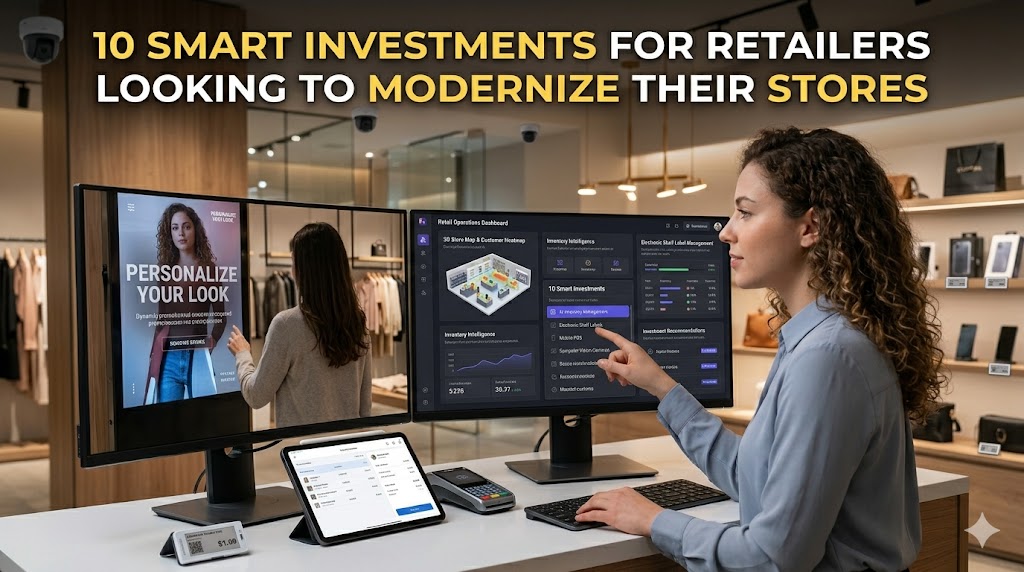
Brick-and-mortar stores face heavy pressure to adapt. Consumer habits shift constantly, and supply chains experience frequent disruptions. Modernizing a retail store means rethinking how the business operates at its core. Upgrading requires integrating technology and improving efficiency. The ultimate goal is creating a seamless customer experience that online shopping simply cannot replicate.
Upgrading the point-of-sale environment stands out as a foundational step. Secure cash handling remains a daily operational need for many businesses, even as digital payments rise. This makes investing in robust cash drawers a smart decision. Quality cash management protects assets and speeds up the checkout process. Reducing discrepancies allows staff to focus on customer service instead of administrative tasks at the register. A smooth checkout leaves a lasting positive impression on shoppers.
Strategic investments in specific areas yield significant returns. Both the bottom line and customer loyalty benefit from these upgrades. Evaluating these 10 smart investments provides a clear roadmap for modernizing stores and staying competitive in a crowded market.
1. Upgraded Point-of-Sale (POS) Systems
A modern POS system serves as the core of any retail operation. Cash registers used to simply calculate totals and print paper receipts. Today's platforms offer much more. They include inventory management, customer relationship management (CRM) integration, and detailed analytics. These tools drive informed business decisions.
Moving to a cloud-based POS lets owners access real-time data from anywhere. Tracking sales trends and optimizing stock levels becomes easier and faster. Mobile capabilities enable associates to process transactions directly on the sales floor. This reduces wait times at the main counter and improves the overall customer experience. Staff can answer questions and close a sale without making the customer wait in line.
2. Omnichannel Integration
Consumers expect a fluid experience whether they shop online, via mobile apps, on social media, or inside a physical store. A strong omnichannel strategy synchronizes inventory, pricing, and promotional campaigns across all platforms. Customers notice when prices differ between the website and the physical store, and this inconsistency causes frustration. Retailers upgrading their digital infrastructure frequently leverage specialized Shopify development services to custom-integrate in-store hardware with their online storefronts.
This integration allows for conveniences that are fast becoming standard expectations. "Buy online, pick up in-store" (BOPIS), curbside pickup, and seamless returns let a customer bring an online purchase back to a physical location easily. Mastering omnichannel integration increases sales. It also builds deep trust with the customer base, encouraging repeat visits.
3. Automated Inventory Management
Manual inventory tracking consumes time and pulls staff away from helping customers. It also invites human error. Investing in automated systems with RFID (radio frequency identification) tags or high-speed barcode scanners improves accuracy dramatically.
These systems provide real-time visibility into stock levels from the warehouse to the store floor, especially when integrated with delivery orchestration software. A warehouse management system helps businesses maintain accurate inventory levels and improve stock visibility across their operations. Real-time data reduces stockouts that drive customers straight to competitors. It also prevents overstock situations that tie up valuable capital in unsold goods. Automated inventory management saves money, reduces shrinkage, and ensures product availability when the customer wants to buy.
4. Enhanced In-Store Connectivity
Modern retail relies on fast, uninterrupted connectivity. A secure Wi-Fi network supports mobile POS devices, interactive customer displays, and smart fitting rooms. Without reliable internet, these expensive technological investments become useless.
Providing free, high-speed Wi-Fi encourages shoppers to spend more time browsing in the store. They can look up product reviews or compare prices on the spot. Upon logging in, customers might see a personalized landing page featuring daily promotions or a loyalty program invitation. This turns a simple amenity into a powerful marketing touchpoint.
5. Streamlined Supply Chain Operations
A high-tech storefront needs products available when the customer wants them. Modernizing the back end matters just as much as upgrading the front end. Retailers need to evaluate exactly how goods move, store, and deliver.
Partnering with experts in retail fulfillment ensures products move efficiently from the warehouse to the store shelves or directly to the consumer's doorstep. Efficient strategies reduce shipping times and lower transportation costs. Customer satisfaction improves when orders arrive quickly and accurately. A streamlined supply chain offers a massive competitive advantage. Well-designed retail fulfillment strategies developed with guidance from supply chain specialists such as Supply Velocity can help reduce shipping times and transportation costs. Faster, more accurate order delivery improves customer satisfaction, while a streamlined supply chain can provide a meaningful competitive advantage.
6. Interactive Digital Signage
Static printed signs cost money to produce and take time to replace. They offer zero flexibility when a promotion changes unexpectedly. Digital signage software by Scalefusion provides dynamic displays that update in real time across multiple locations with a few clicks.
High-definition screens highlight flash promotions and provide wayfinding assistance in large stores. They also showcase engaging product demonstrations. This enhances the visual appeal of the store and acts as an adaptable marketing tool. Displays can respond to the time of day, local weather, or current inventory levels, making the marketing highly relevant.
7. Personalized Customer Experiences
Data represents a valuable asset for any modern retailer. Retailers use data analytics and artificial intelligence (AI) to move away from generic, mass marketing. Highly personalized experiences resonate with individual shoppers much more effectively.
Customized product recommendations can go straight to a customer's smartphone via the store's app as they walk down a specific aisle. Tailored email campaigns and loyalty programs reward frequent shoppers based on their actual purchasing habits. Customers who feel understood and valued increase their lifetime value to the brand significantly. A dedicated loyalty platform makes this practical at scale, automating reward tracking, tier management, and personalized incentive delivery across both online and in-store retail channels.
8. Sustainable Practices and Infrastructure
Sustainability appeals strongly to consumers, especially younger demographics who actively support brands aligned with their values. Investing in eco-friendly store designs boosts a brand's reputation and builds goodwill in the community.
Investments include energy-efficient LED fixtures, recycled materials in store fixtures, and comprehensive recycling programs. Upgrading to energy-efficient HVAC systems or installing smart thermostats offers long-term cost savings on utility bills. These are smart financial decisions that also happen to be ethical ones.
9. Advanced Security Systems
Technologically advanced stores hold valuable data, increasing the need for modernized security. Security investments must go far beyond passive CCTV cameras mounted in corners.
Modern infrastructure includes smart surveillance systems equipped with AI and facial recognition capabilities to identify known shoplifters. Advanced alarm systems integrate with mobile alerts for immediate response. Robust cybersecurity measures protect customer data, payment information, and internal networks from cyber threats. Preventing a data breach and applying breach and attack simulation protects a retailer's reputation and avoids costly legal issues. Implementing AI-powered DAST system allows retailers to continuously scan their consumer-facing mobile apps and online storefronts for hidden vulnerabilities before attackers can exploit them.
10. Comprehensive Hardware Upgrades
Underlying hardware must support cloud-based POS systems, interactive digital signage, and advanced security networks. Retailers need physical equipment with sufficient processing power and reliability to run operations smoothly day after day.
Consulting a comprehensive POS hardware checklist helps ensure no critical component gets overlooked during an upgrade. High-speed receipt printers, durable barcode scanners, secure payment terminals, and robust back-office servers form the foundation for all other technological advancements. Skimping on hardware leads to system failures and frustrated customers.
11. Upgraded Lighting Systems
Lighting dramatically affects how merchandise looks and how customers feel inside a store. Replacing harsh fluorescent bulbs with modern, adjustable lighting systems changes the entire shopping environment. Proper lighting highlights key products and creates a welcoming atmosphere.
Retailers use different color temperatures to set specific moods. Warm lighting creates a cozy feel in a boutique, while cool, bright lighting works well for electronics or jewelry. Smart lighting systems allow managers to adjust brightness throughout the day, saving energy while maintaining the perfect ambiance.
12. Self-Checkout Kiosks
Many customers prefer the speed and privacy of checking themselves out. Installing self-checkout kiosks reduces lines at traditional registers during peak hours. This gives shoppers the choice of how they want to complete their transaction.
Modern self-checkout machines are more intuitive and less prone to errors than older models. They include clear touchscreens, fast barcode scanners, and multiple payment options. Offering this convenience shows customers that the retailer values their time.
13. Mobile App Development
A dedicated store app connects the physical and digital shopping experiences. Customers use apps to check inventory before visiting, access digital coupons, and track loyalty points. An app keeps the brand in the customer's pocket at all times.
In-store, the app can provide a store map, allow customers to scan items for more information, or enable mobile checkout. Push notifications alert users to flash sales when they are near the store. Developing a robust app requires investment, but it drives engagement and repeat business. Retailers can also prototype and validate the concept first using Rocket's solve feature, testing the idea before committing to a full traditional build.
14. Employee Training Programs
New technology requires skilled employees to operate it effectively. Investing in comprehensive employee training software and training programs ensures staff can use new POS systems, inventory scanners, and customer service tools confidently. Frustrated employees lead to frustrated customers. Security awareness training should also be included to help employees recognize potential threats, protect sensitive information, and follow safe technology practices when using digital systems. Frustrated employees lead to frustrated customers.
Training should be ongoing, not just a one-time event during onboarding. Regular updates keep staff informed about new features and best practices. Well-trained employees resolve issues quickly and provide a higher level of service, maximizing the return on all other technological investments.
15. Upgraded Fitting Rooms
For apparel retailers, the fitting room is where the purchase decision happens. Modernizing this space increases conversion rates. Basic upgrades include better lighting, larger mirrors, and comfortable seating.
Advanced upgrades involve smart mirrors that let customers request different sizes or colors without leaving the room. These mirrors can also suggest matching accessories. A high-tech, comfortable fitting room transforms a frustrating experience into an enjoyable one, directly boosting sales.
Conclusion
Modernizing a retail store is an ongoing process that requires careful planning and strategic investment. Focusing on cash management, omnichannel strategies, seamless fulfillment, and hardware upgrades creates an environment that meets high consumer expectations. Adding elements like smart lighting and self-checkout further enhances the experience.
Operational strategies position brick-and-mortar stores for long-term success. The stores of the future blend the tactile experience of physical shopping with the speed and convenience of digital commerce.
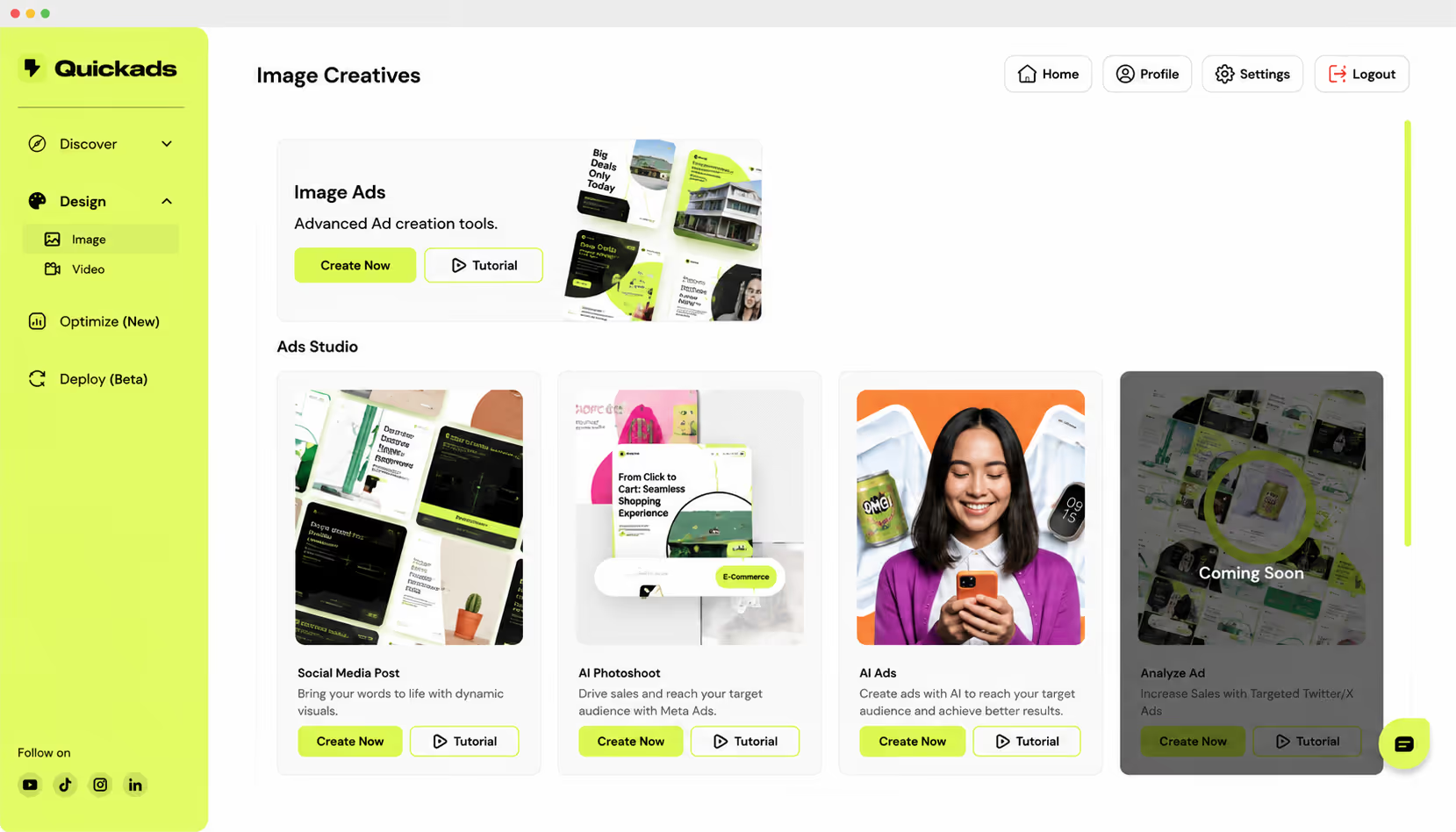
To learn more about optimizing digital marketing strategies alongside physical store upgrades, consider exploring the solutions offered by QuickAds. Their tools help communicate brand evolution effectively to a target audience.






A privacidade é importante para nós, então você tem a opção de desativar certos tipos de armazenamento que podem não ser necessários para o funcionamento básico do site. O bloqueio de categorias pode afetar sua experiência no site. Mais informações


