QuickAds / Fashion Photoshoot
Quality standards · what an AI fashion photo must pass before it ships

Looking fine is not a standard.

AI fashion photography fails in ways a quick scroll does not catch, so every delivered frame is held to six named quality standards. Each one exists because a real failure taught us it was missing.

Six checks on every frame
Every file ships with its numbers
A frame that fails is not charged

Each standard below is shown in the frames rather than described, including the failure that named it.

STD-01

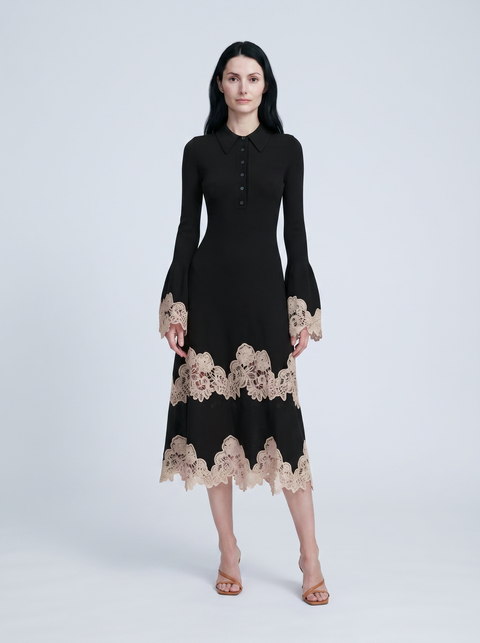
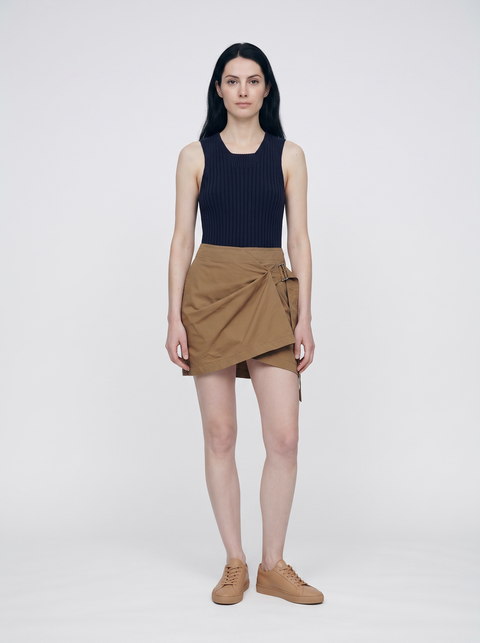
The model you picked is the model in every frame.

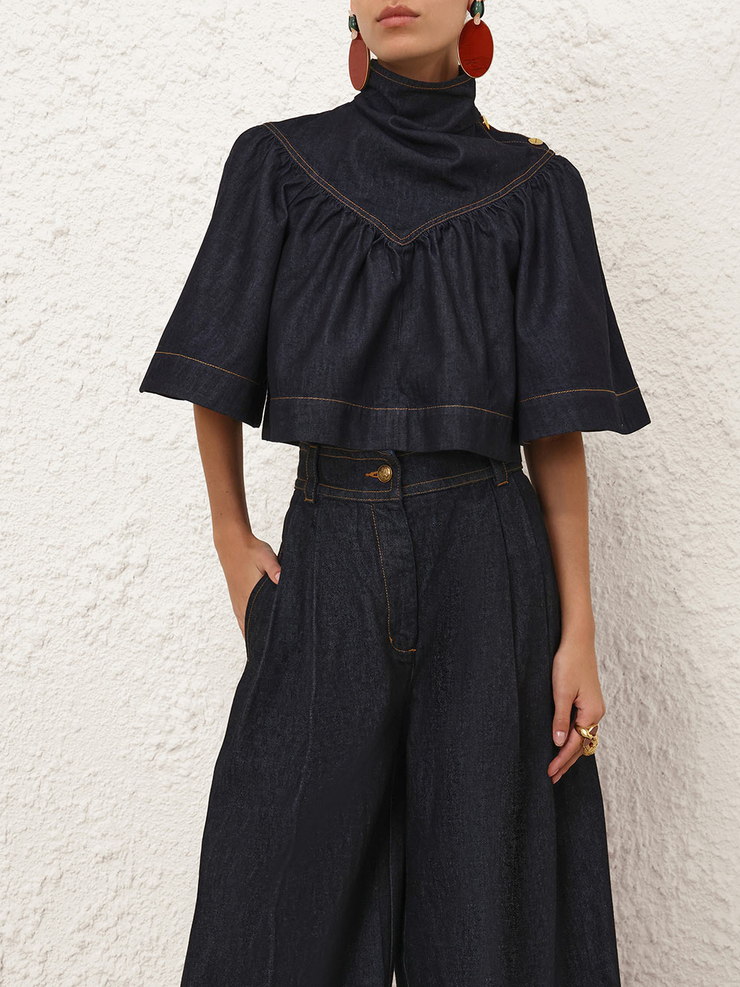
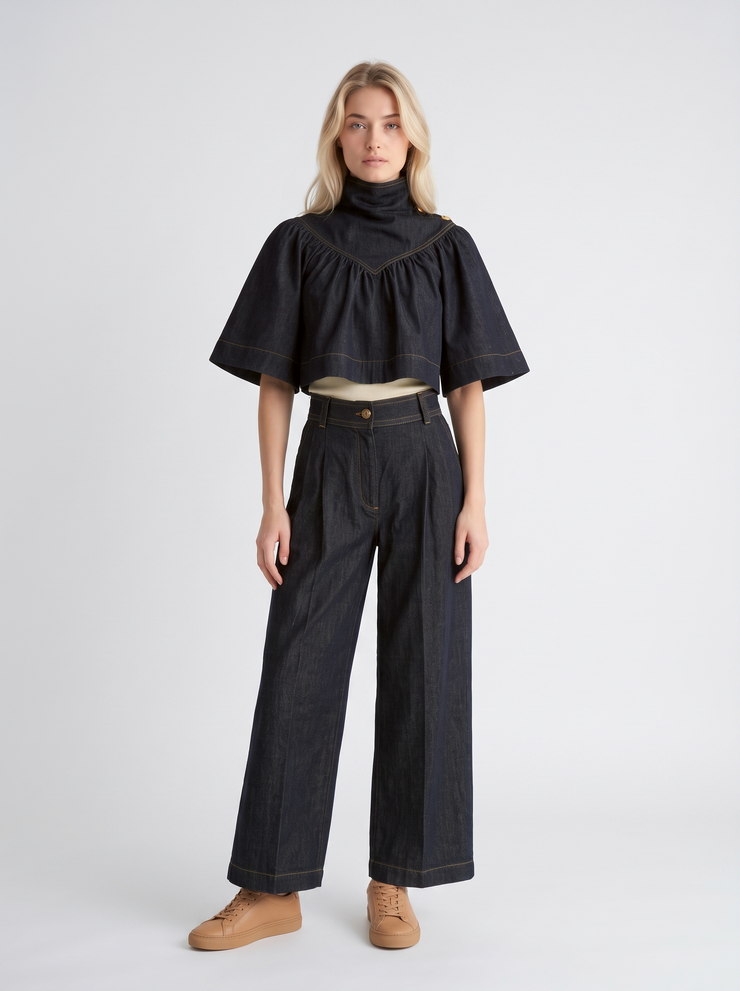
One face across the whole run is what makes a hundred items read as one shoot. Identity is checked per frame against the reference you selected, and each model reference serves its own block of items so a batch never mixes faces mid-set.

The failure that named it A stranger appearing in the middle of a set reads as a mistake rather than a choice, and it is the failure nobody catches until the PDPs are live side by side.

One frame from a run Another frame from the same run, same model
Two frames from one run · same reference, same face
STD-02

Your garment, not a redesign.

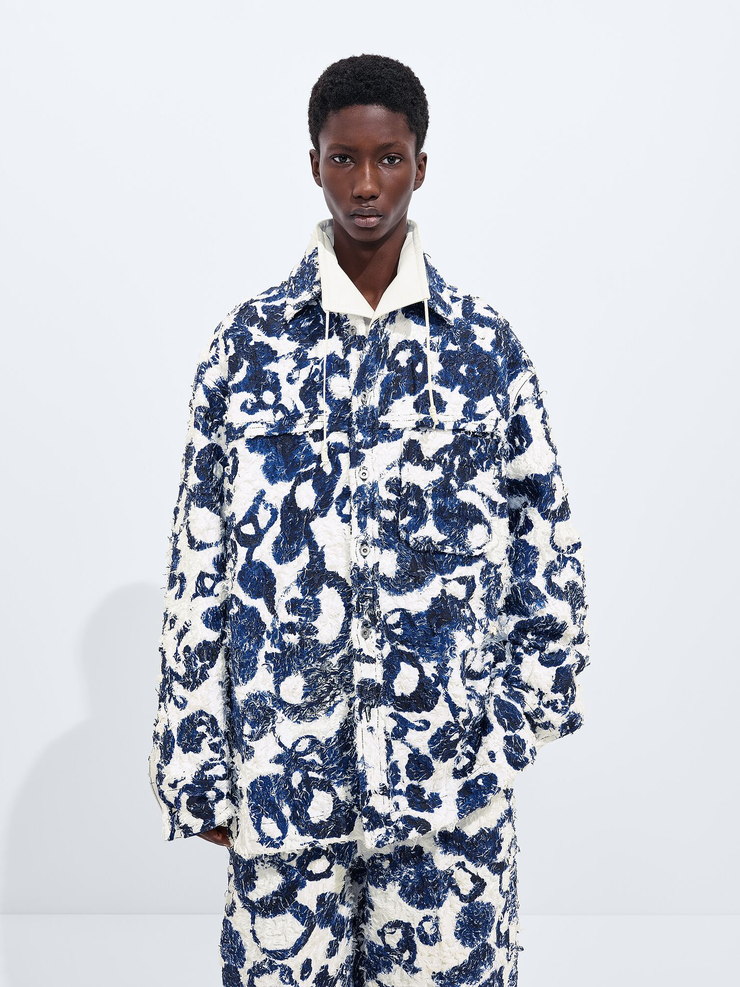
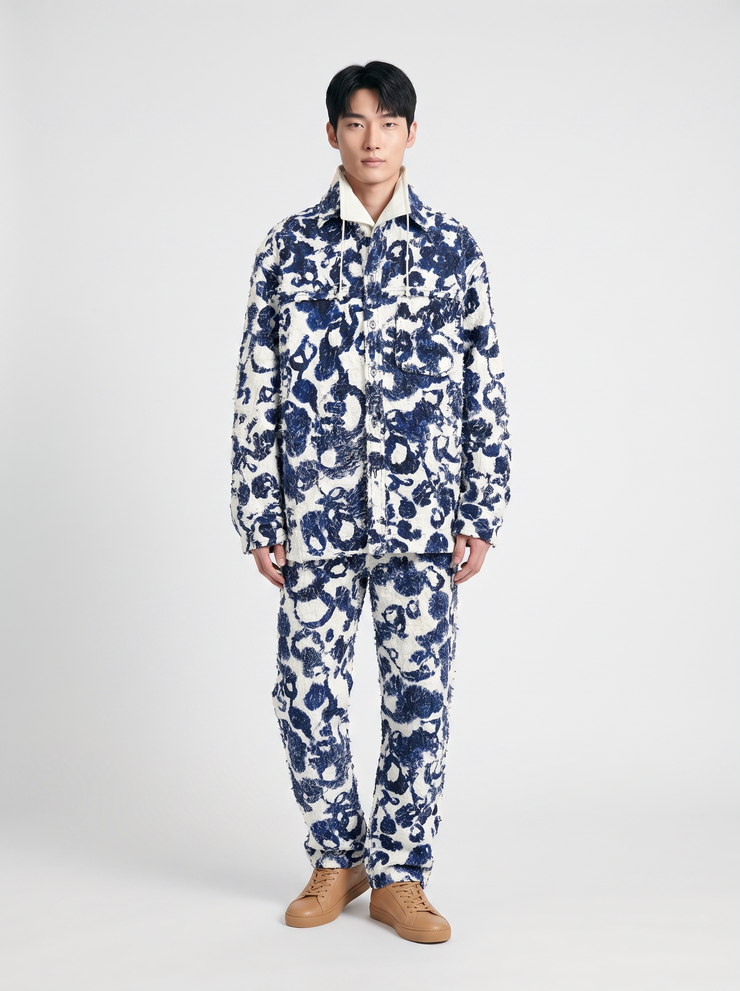
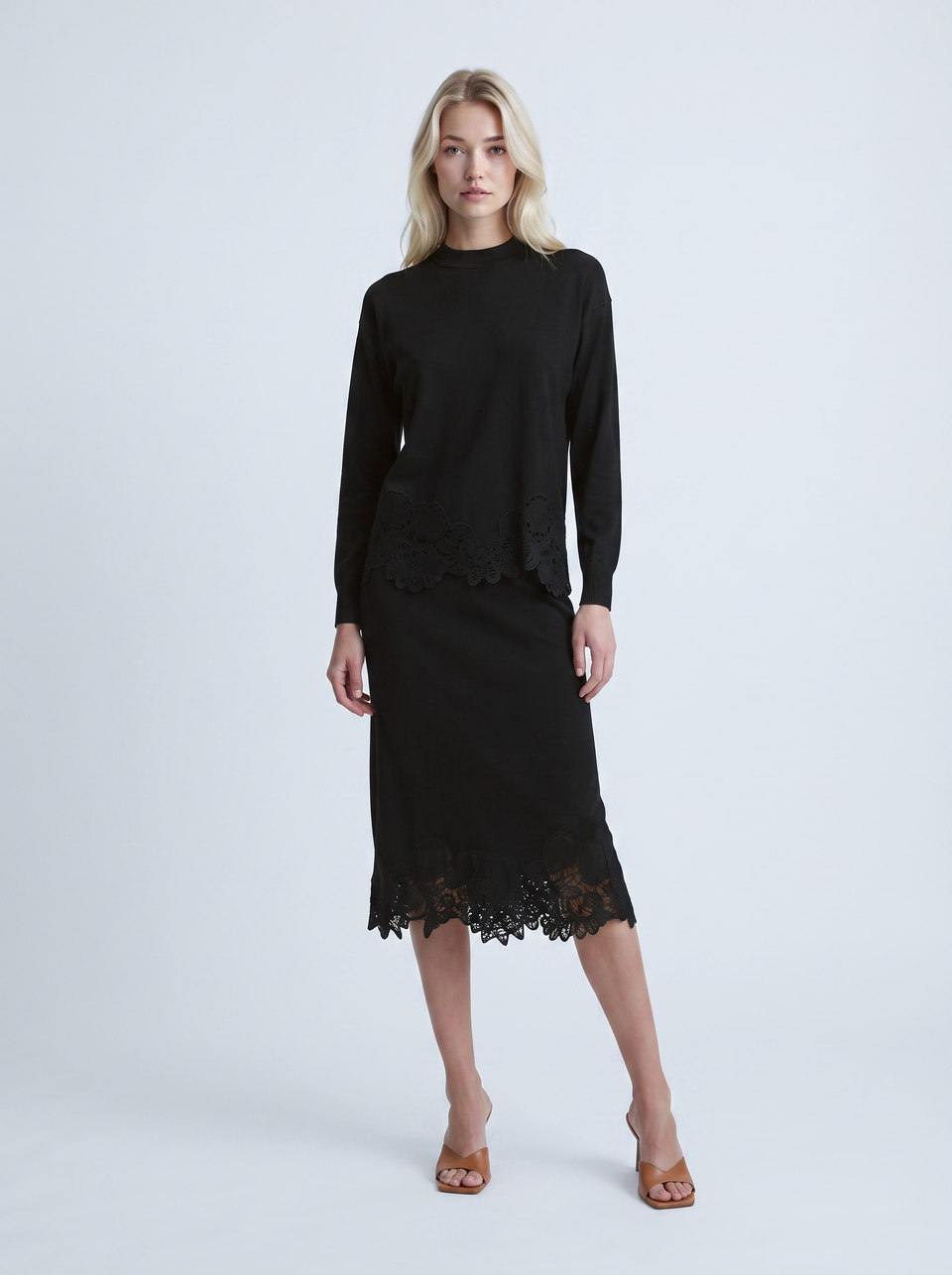
Generative models redesign clothes when nothing stops them. Motif, scale and repeat of a print have to survive; so do construction details, the lapel roll and button stance that give tailoring away.

The failure that named it Right print family, wrong motif. A wrong color is your garment misgraded; a wrong print is somebody else’s garment.

A blue and white fil coupe set as photographed The delivered frame with the same print, motif and scale
The print as photographed · the print as delivered
STD-03

A tee stays a tee.

Length and coverage are checked explicitly. A garment’s category, hemline and how much body it covers must match the photograph you sent, however good the render looks.

The failure that named it A T-shirt rendered as a minidress, bare legs where bottoms were sent. Coverage is the failure nobody checks for, because the image looks well made.

Input cropped above the head and below the thigh Delivered frame at full length, same top and same leg
Rebuilt below the crop, still the same garment
STD-04

The set behaves.

A seamless sweep comes back as one unbroken surface: nothing gets invented behind the shoulder, and the wall holds its brightness instead of drifting cool enough to tint the skin. Backgrounds come from a picked board, so the set is a decision rather than a suggestion.

The failure that named it Brief said near-white sweep. Delivered: an out-of-focus sphere behind the shoulder and a wall two lighting setups away from the floor.

Delivered frame on a clean studio sweep
The sweep as briefed
STD-05

Color lands inside the band.

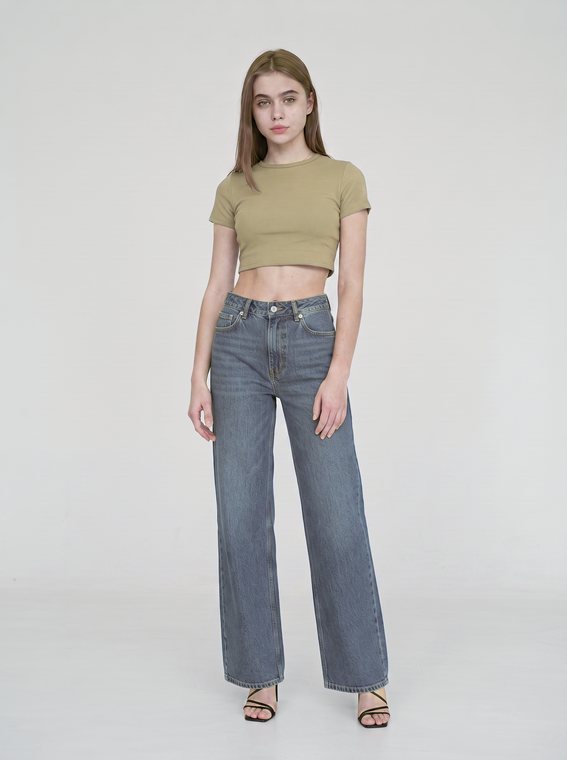
Every frame is measured against your own photograph in ΔE00, on the garment rather than the whole image, and reported against the industry bands.

Across one run of 240 delivered frames (120 garments on two engines, measured 2026-08-18), the 220 frames that carried a measurement had a median ΔE00 of 2.87 as returned by the engine and 0.68 after the color pass. The other 20 were withheld rather than guessed.

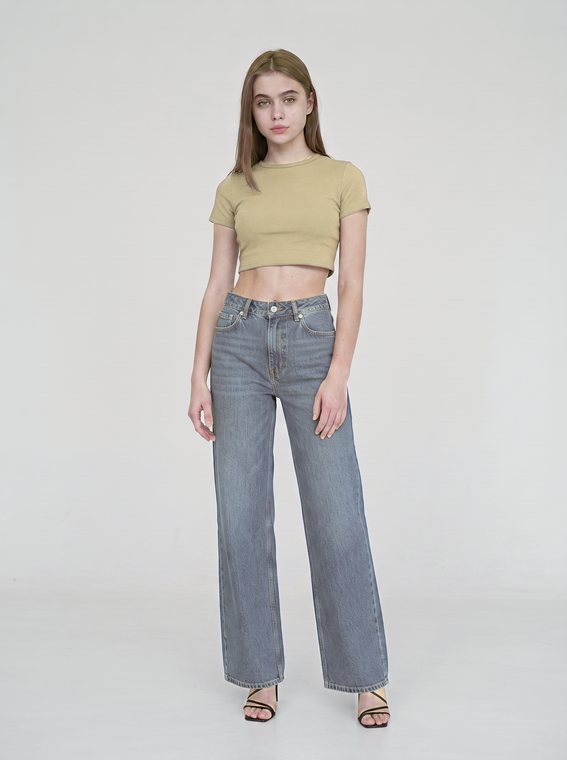
The jean as the engine returned it, color drifted The jean as delivered, color corrected
Returned at 9.03 · delivered at 1.29
STD-06

The receipt is attached.

Which engine made the frame, which of your photographs it came from, what the color measured. A file that cannot answer for itself does not ship, and a frame that fails any standard above is not charged.

Why it is a standard and not a feature Screenshots cannot settle an argument, be compared across engines, or fail a build. A number attached to the file can.

The ask

Hold us to all six.

Send five garments and get the six checks run on your own product, with the numbers attached to each file. Where a frame misses a standard we say which one and why, and that frame is not charged.

100+ creatives a month · 5 to 7 day turnaround · up to 60 items by 8 models in one job

Start with five → Plans start at $299 a month self-serve, $5,000 managed · no discovery phase · no statement of work per asset