What an AI fashion model generator gets wrong. 11 garments, another engine beside ours.
One photo per garment went to another engine with our rules and color pass switched off, and through our full pipeline.
Tell us what you sell. We'll come back with a photoshoot plan for your catalog.
Free. No card. We reply within one working day.
An AI fashion model generator puts a garment from one product photo onto a generated model, so a store gets on-model images without a shoot. The hard part is keeping the product. In one 60-garment run, another engine with our rules off returned 46 frames, and 7 of them showed a different garment.
- The model you pick should be the face that comes back.
- Check each frame in order: the garment, its length, the model's face, the other pieces, the color and the set.
- On the default setting, QuickAds reads your photo before generating and color-measures each garment image against it where the garment can be isolated.
- The keep-or-retry score is advice. Flagged images are still delivered, and the score once passed a wrong garment.
Last updated · QuickAds Editorial Team
Every frame beside a garment photo is generated, and the garment photos come from published product and campaign pages, none of them client work.
What comes back from an AI fashion model generator? Three frames per garment.
Each row: the photo, another engine's frame with our rules and color pass off, and ours. Both August 2026 runs got the same garment photos and brief, and seven rows share a model photo.
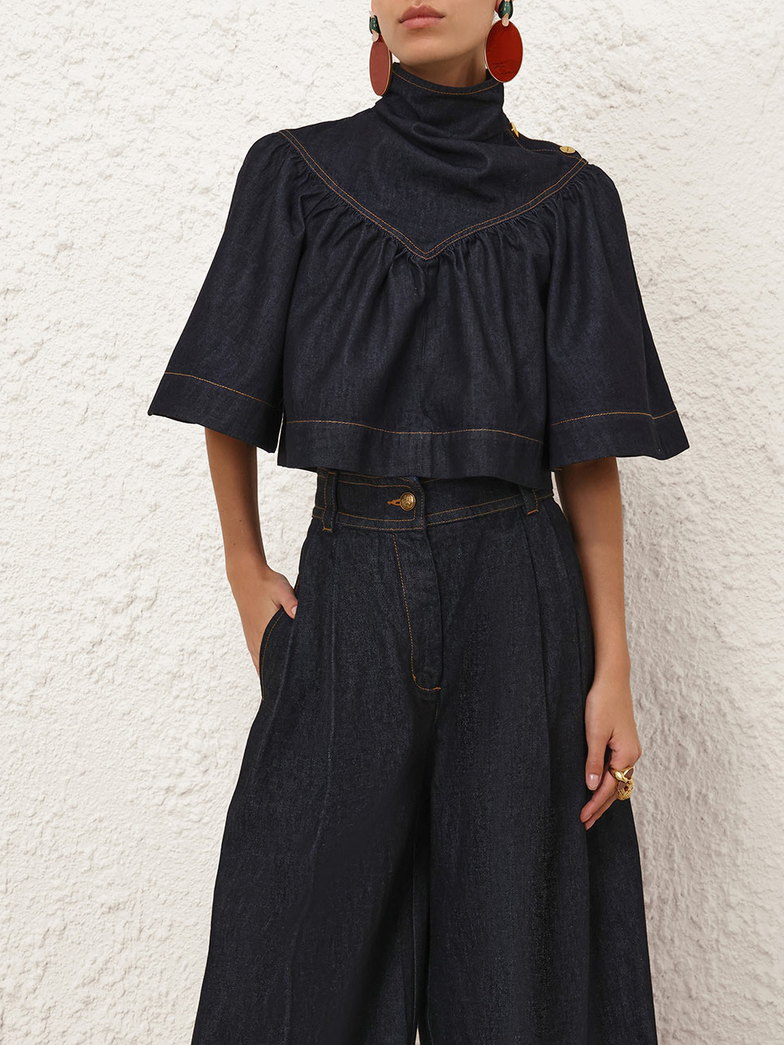
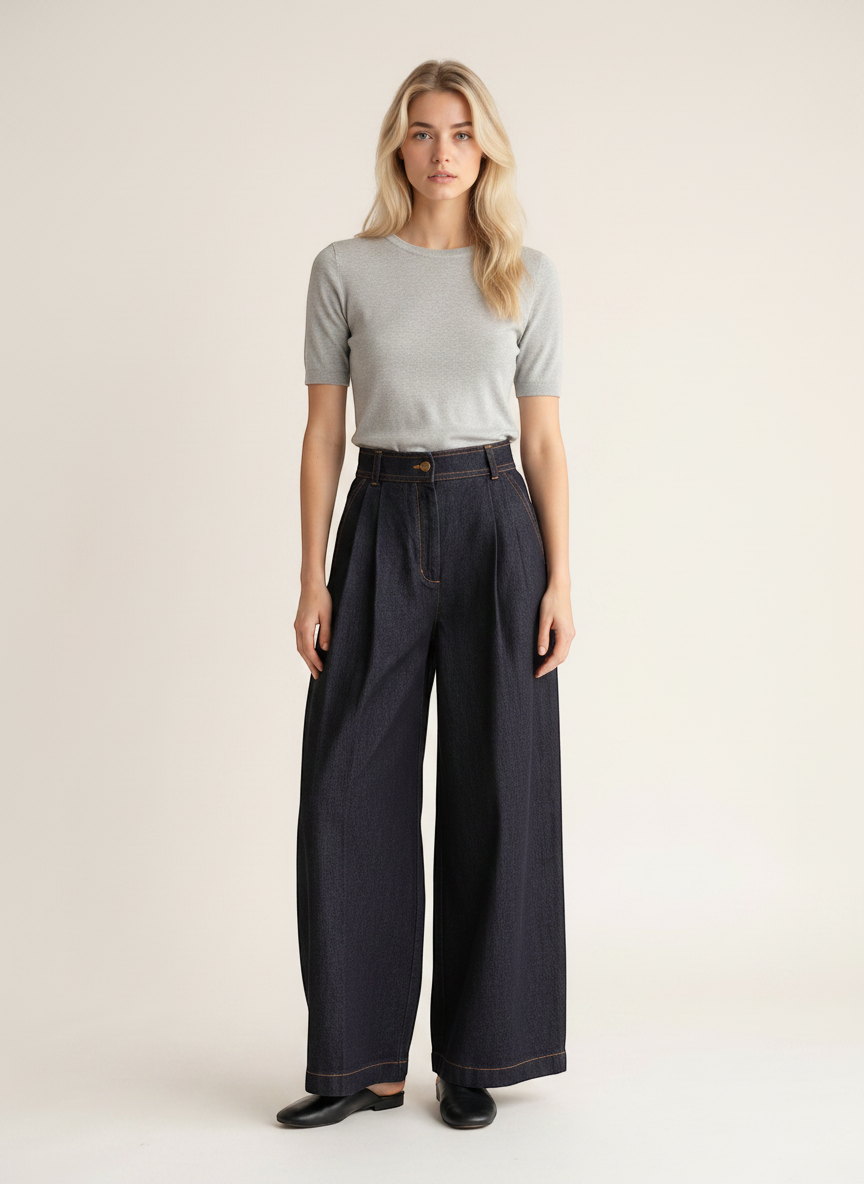
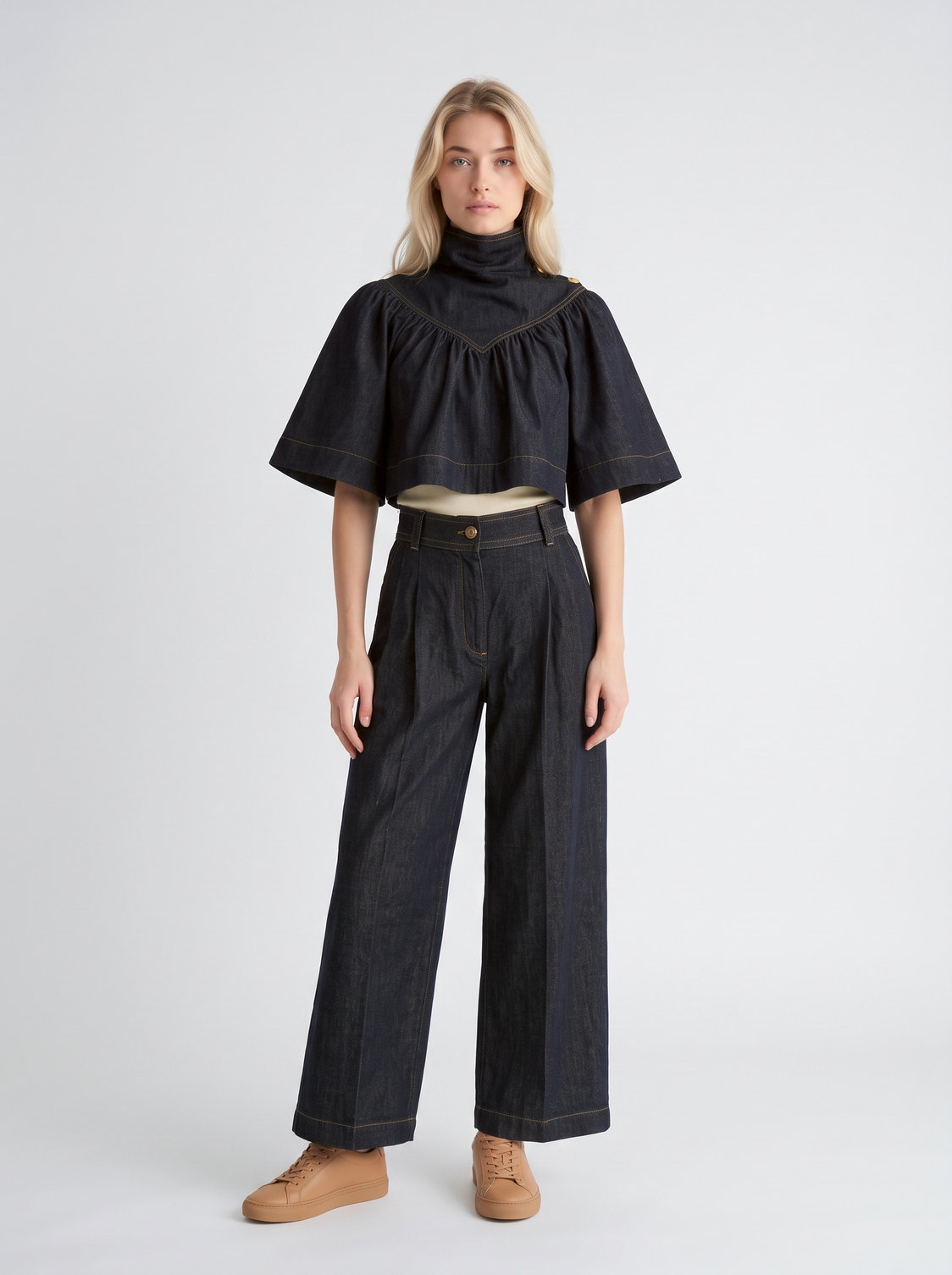
Denim cape top
Different garment, and we missed itThe row we'd rather not print. The rules-off engine swapped the top for a gray tee, and our keep-or-retry check scored that frame keep.
 Demonstration input
 Generated
 Generated
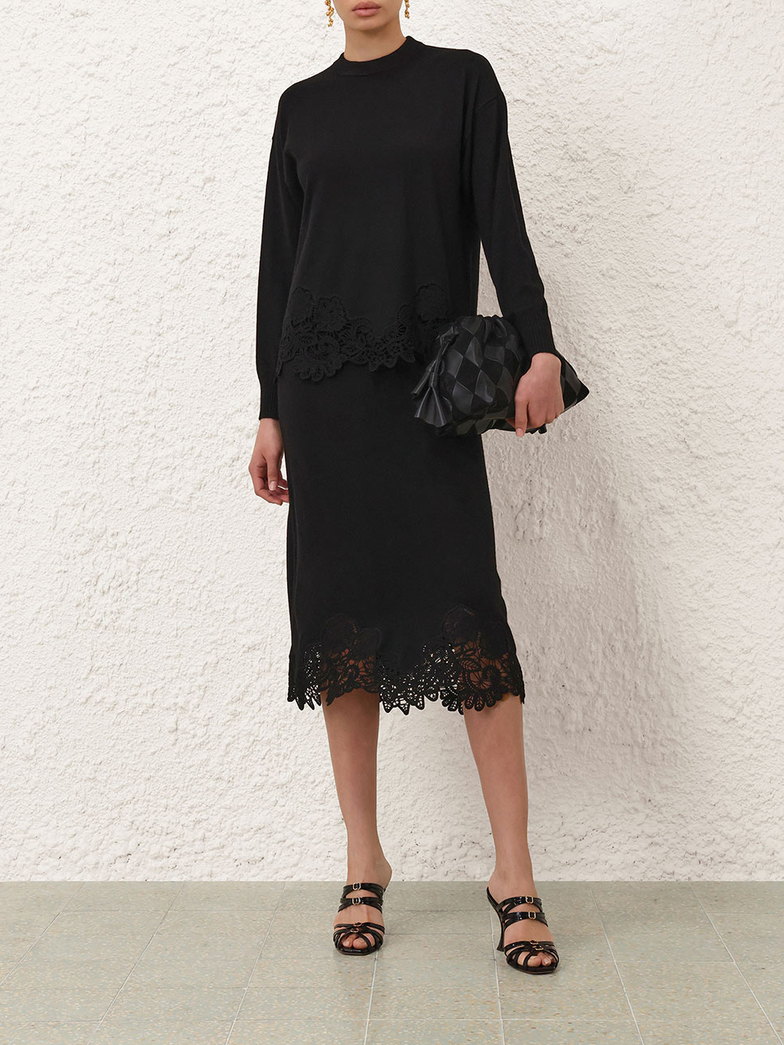
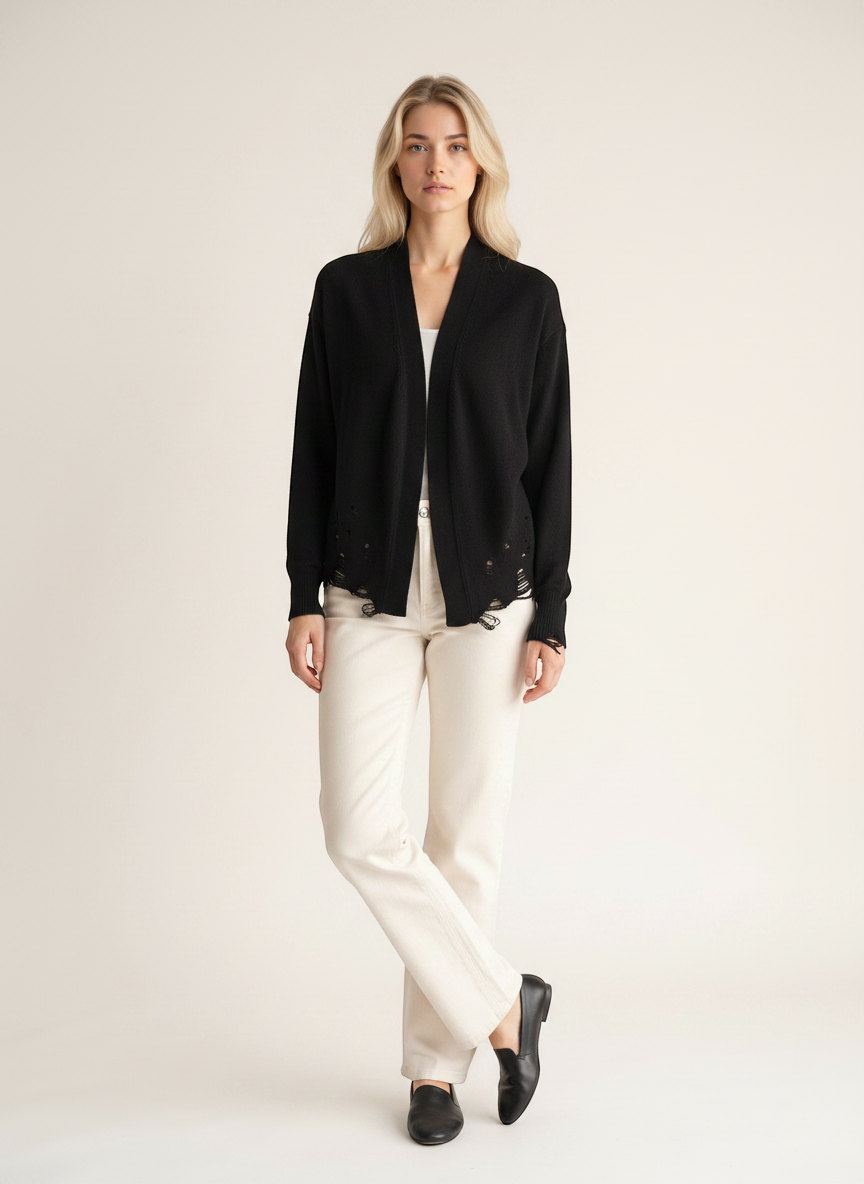
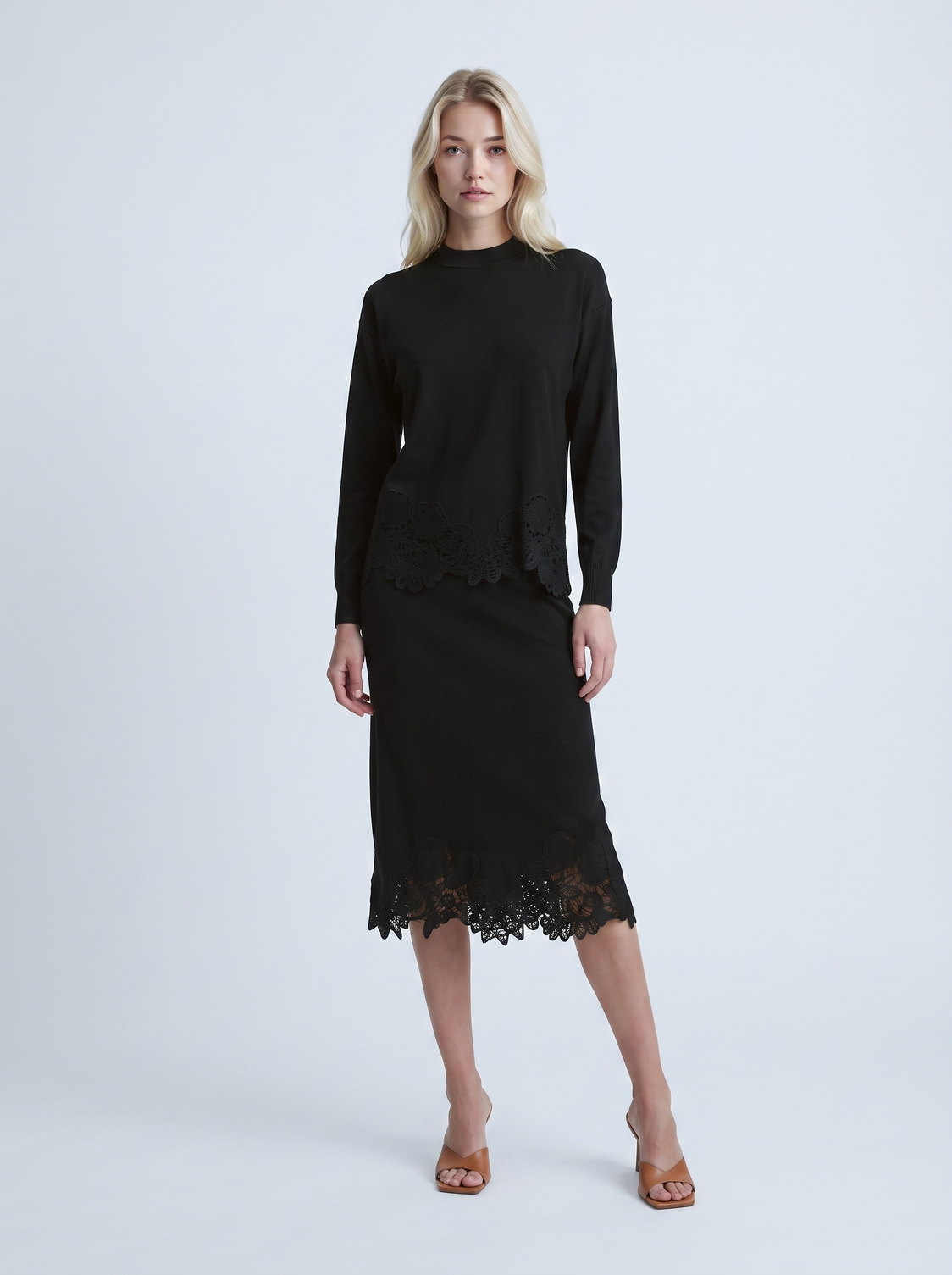
Lace-hem midi skirt
Product missingThe rules-off frame has a cardigan over off-white pants and no skirt at all. Ours keeps the skirt and its lace hem.
 Demonstration input
 Generated
 Generated
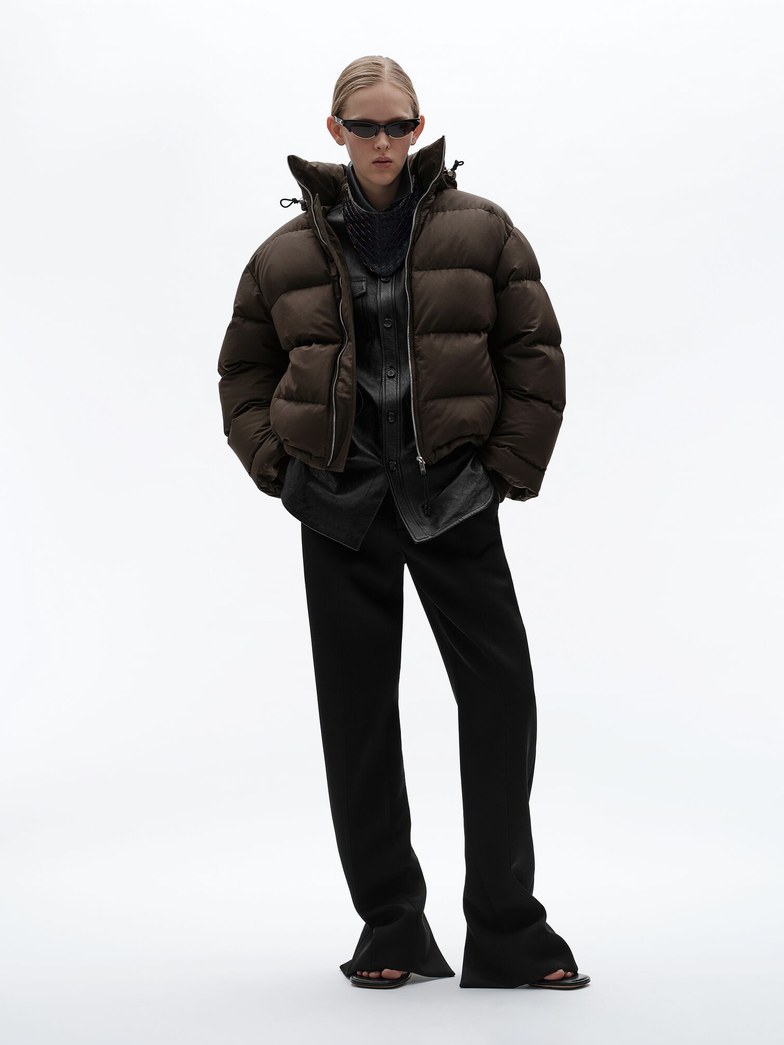
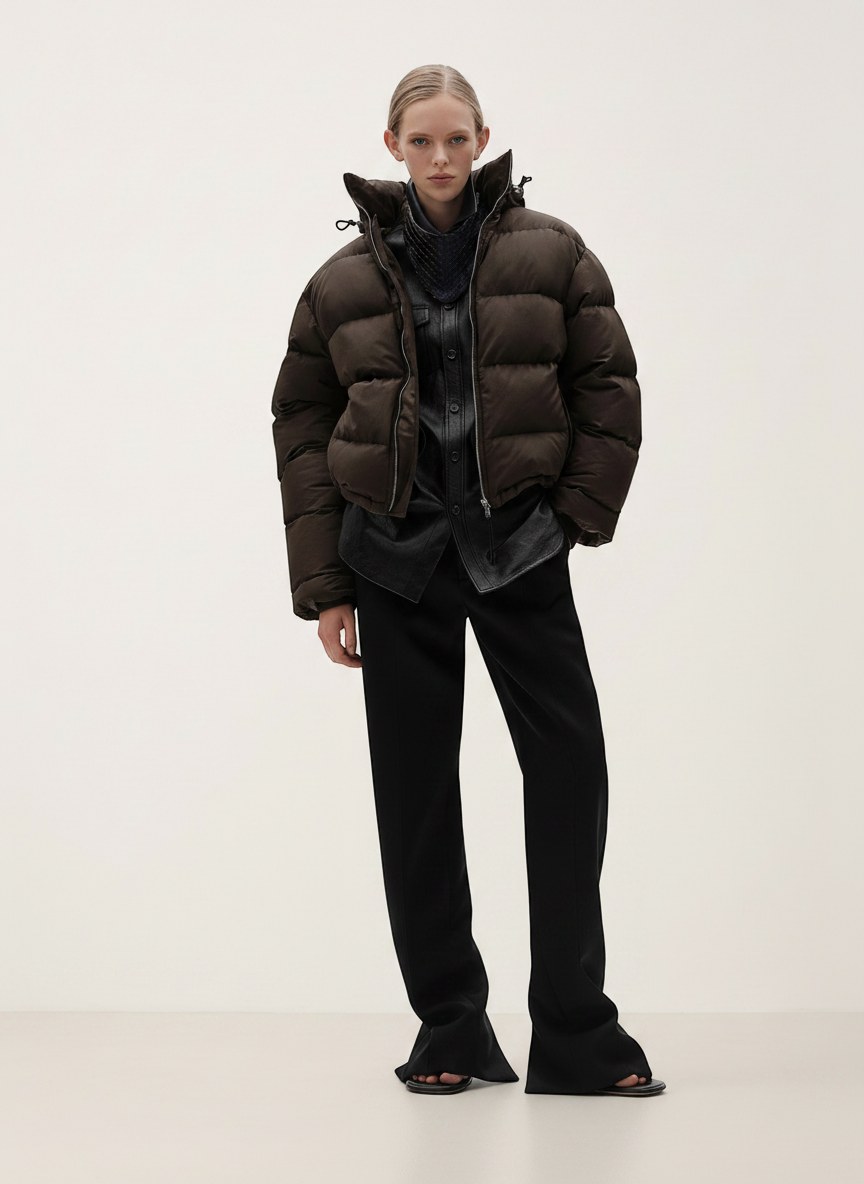
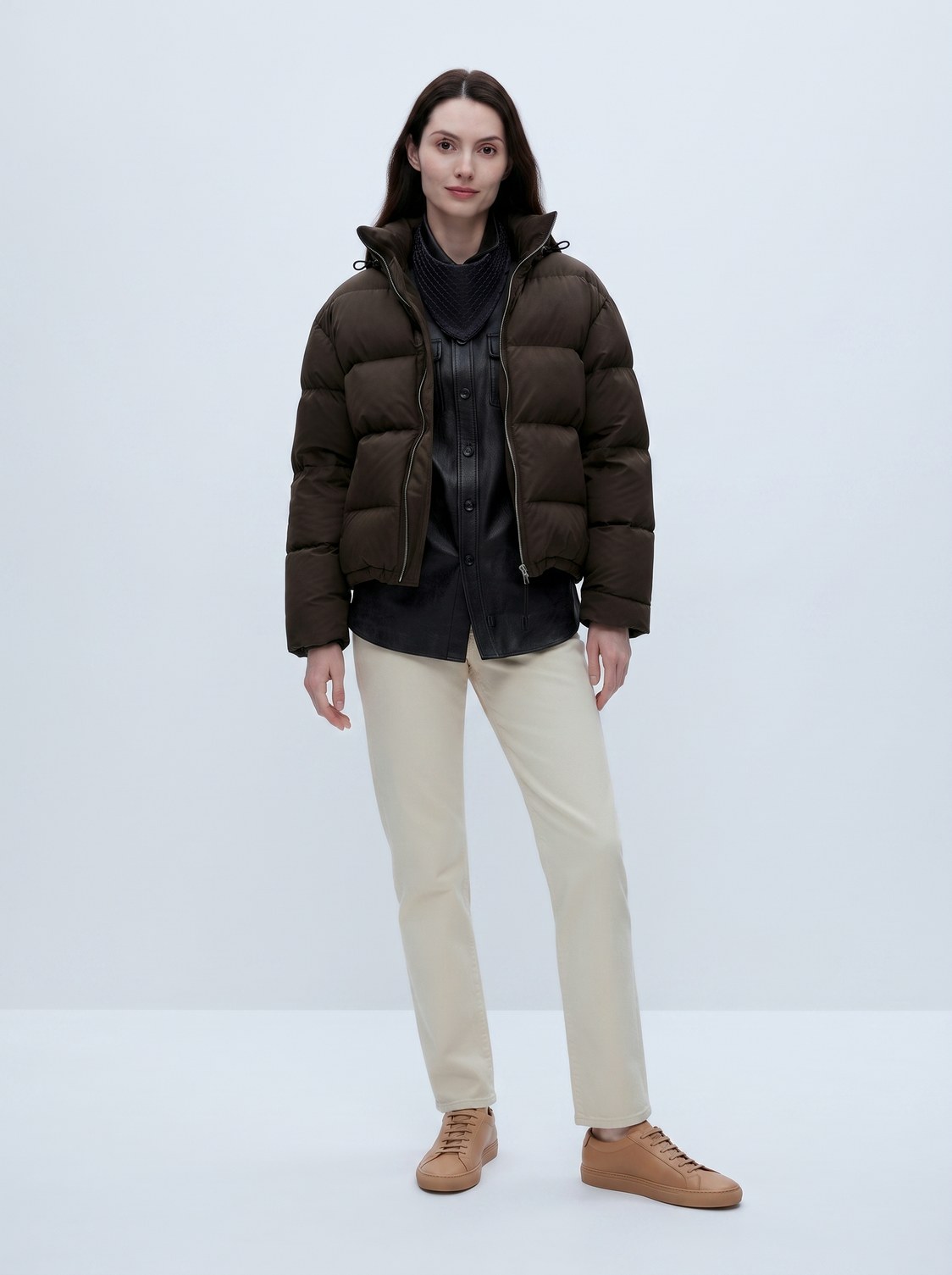
Cropped puffer jacket
Wrong modelThe rules-off frame kept the person from the garment photo, minus the sunglasses, so the model picked for the shoot never appears.
 Demonstration input
 Generated
 Generated
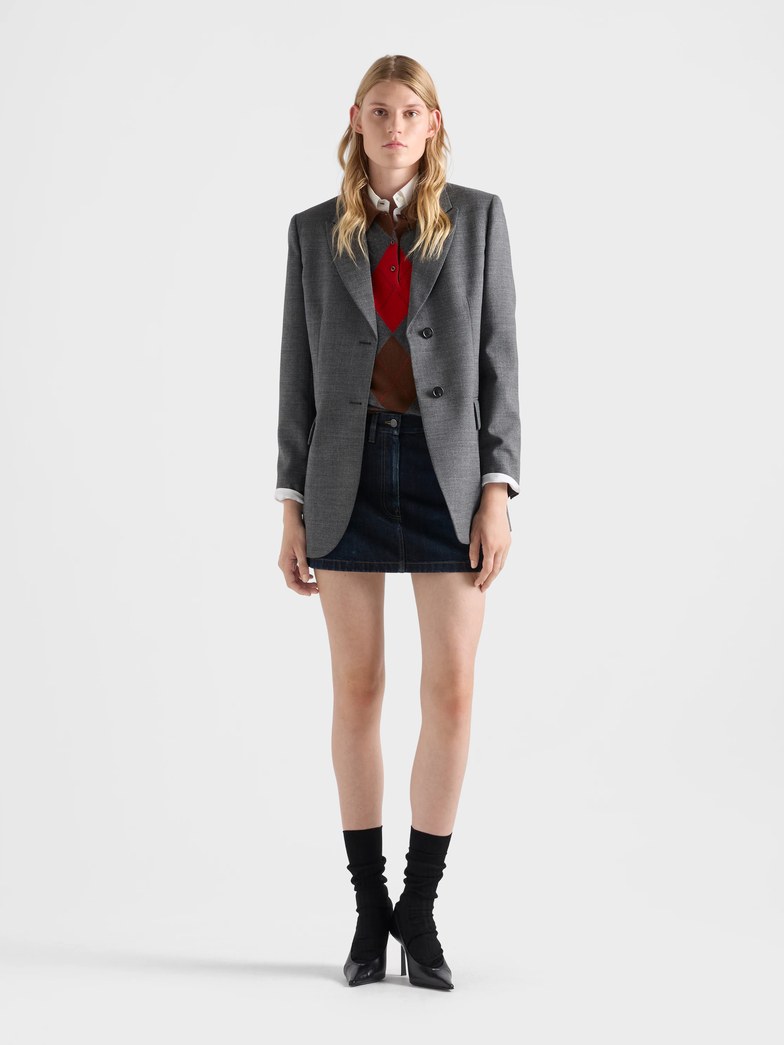
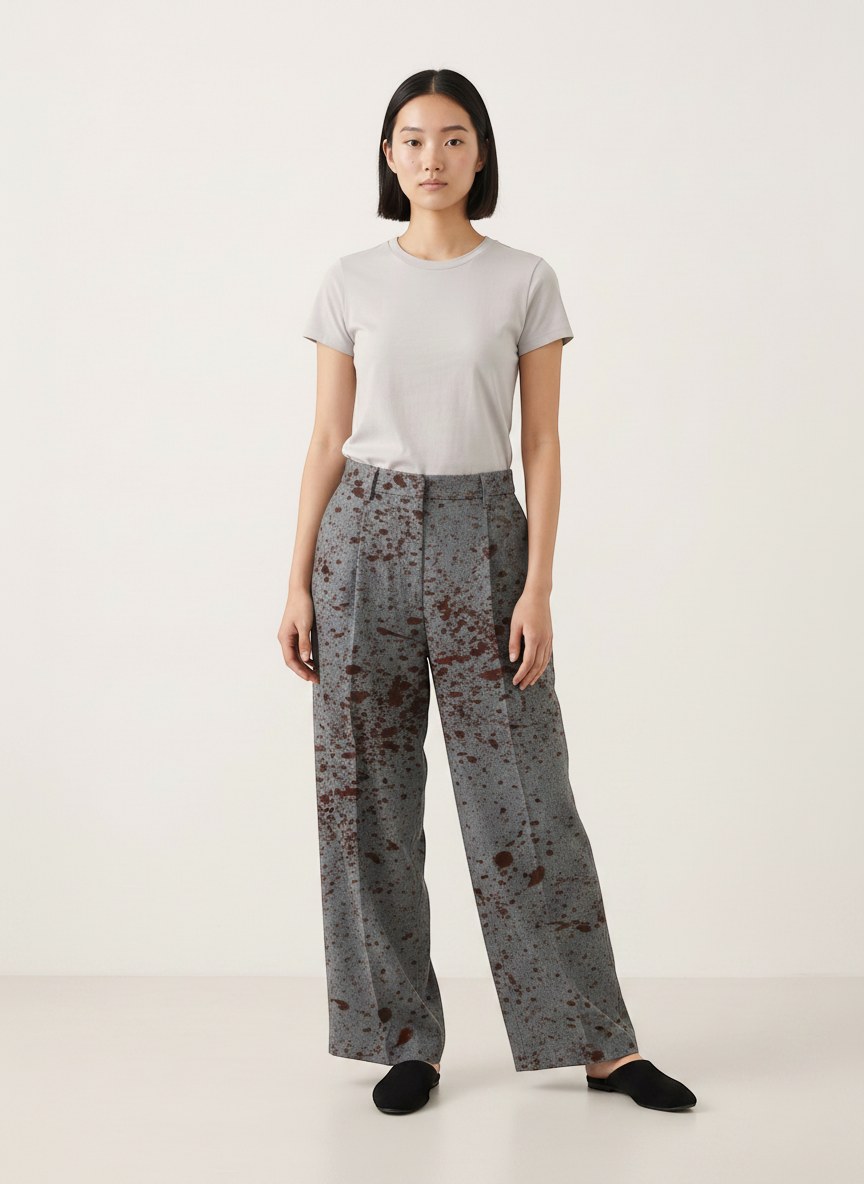
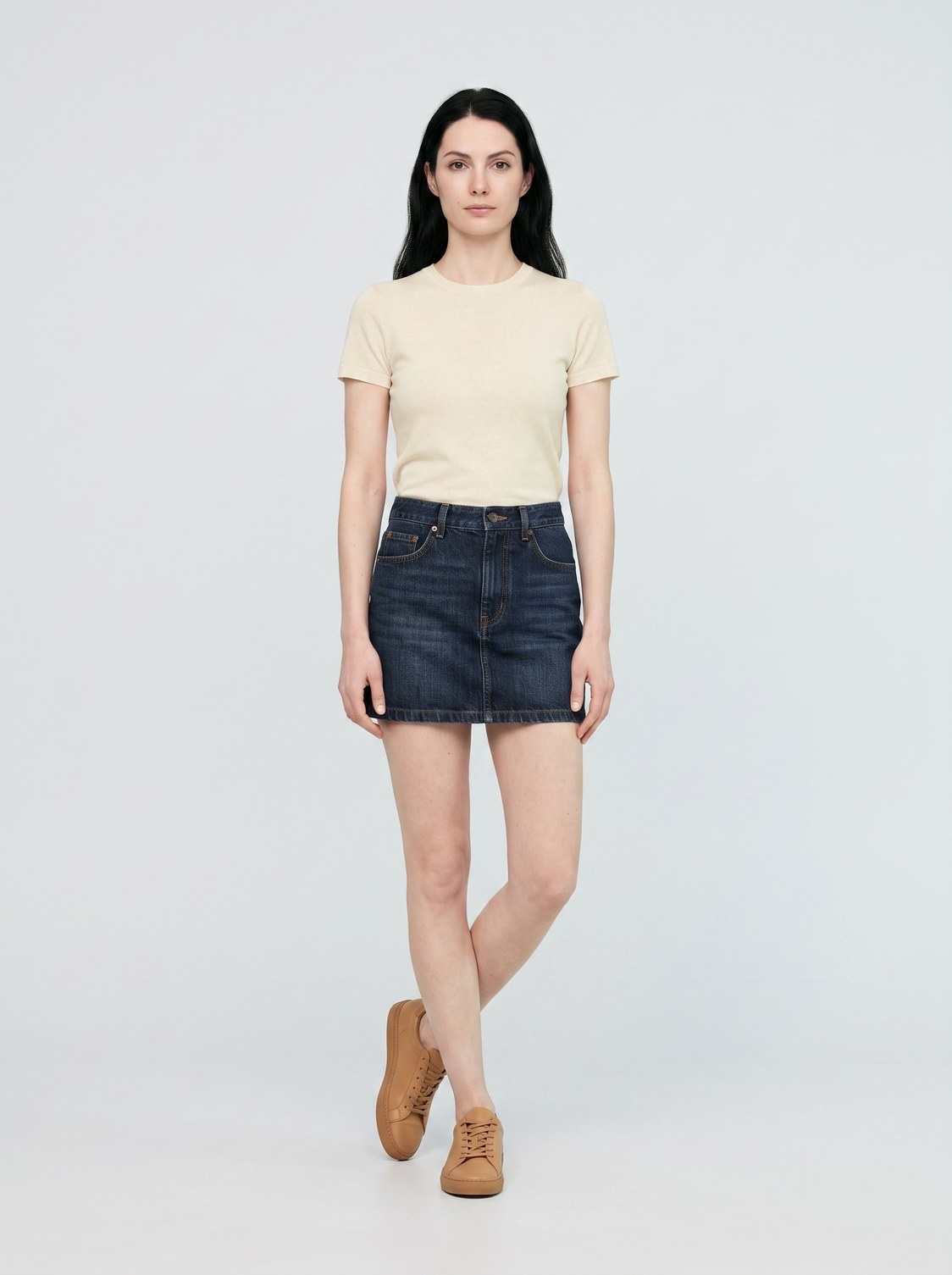
Denim miniskirt
Product missingThe rules-off frame invents gray pants with a red splatter print. Ours returns the skirt. The models differ here.
 Demonstration input
 Generated
 Generated
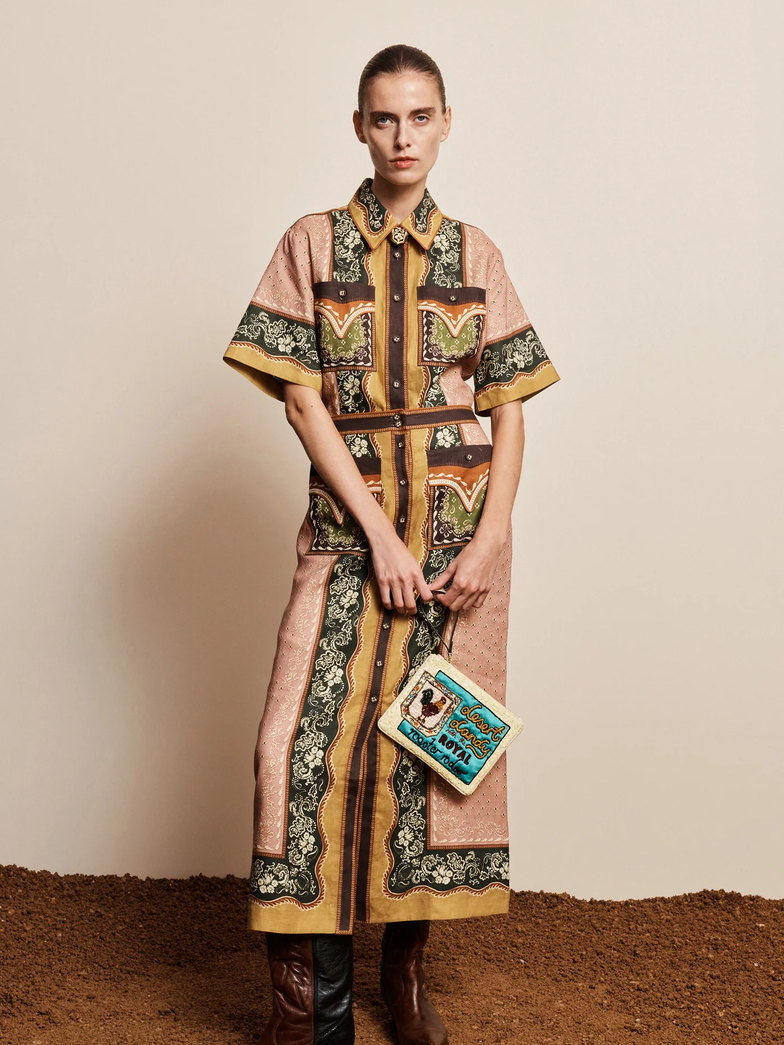
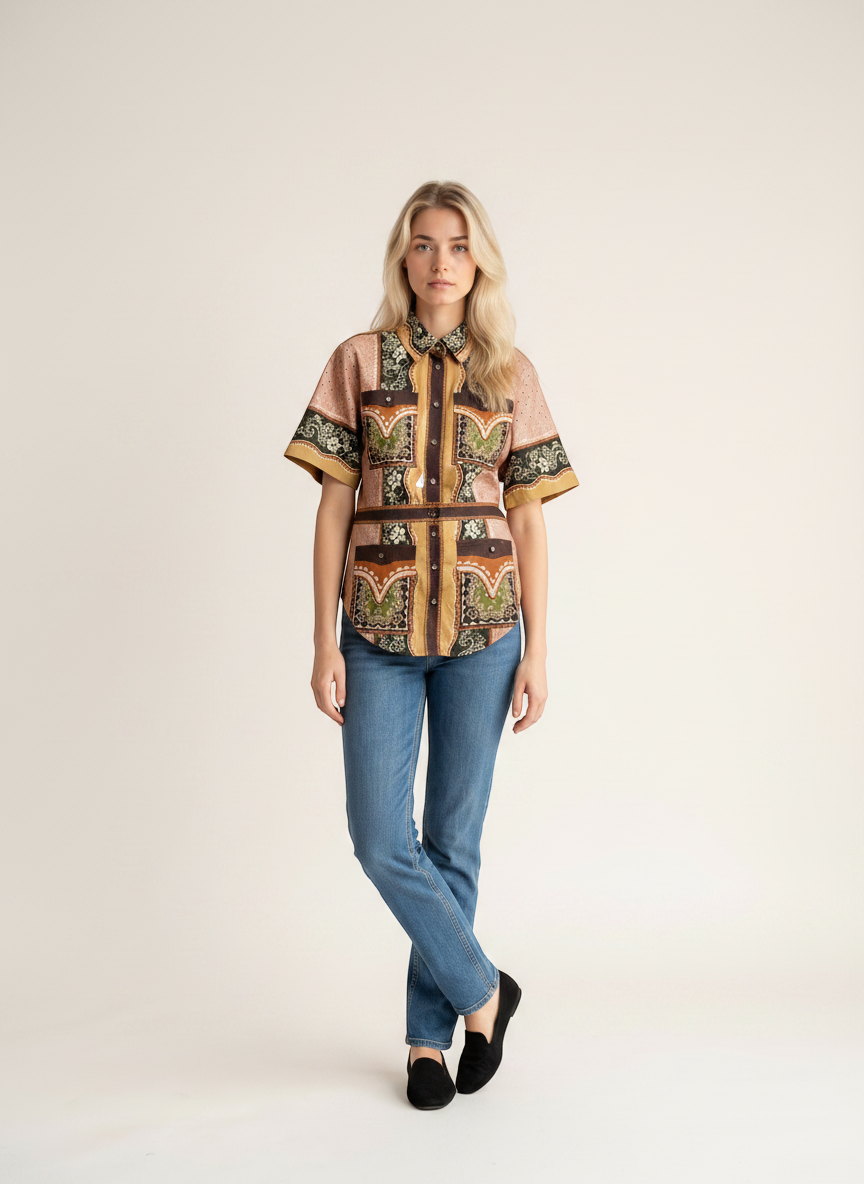
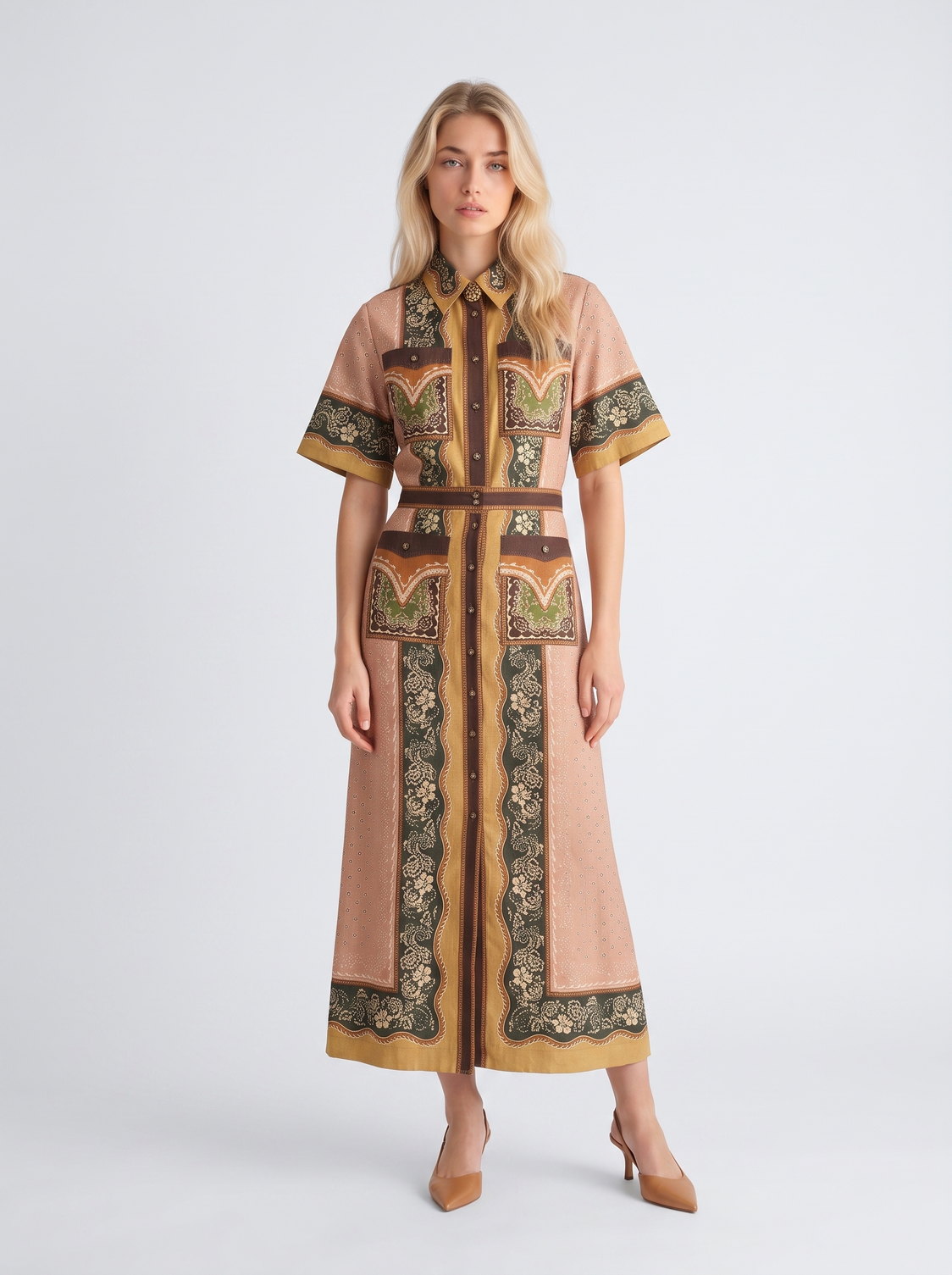
Printed shirtdress
Length lostThe rules-off frame cuts the dress to a short shirt over jeans, so half the product is gone. Ours holds the length.
 Demonstration input
 Generated
 Generated
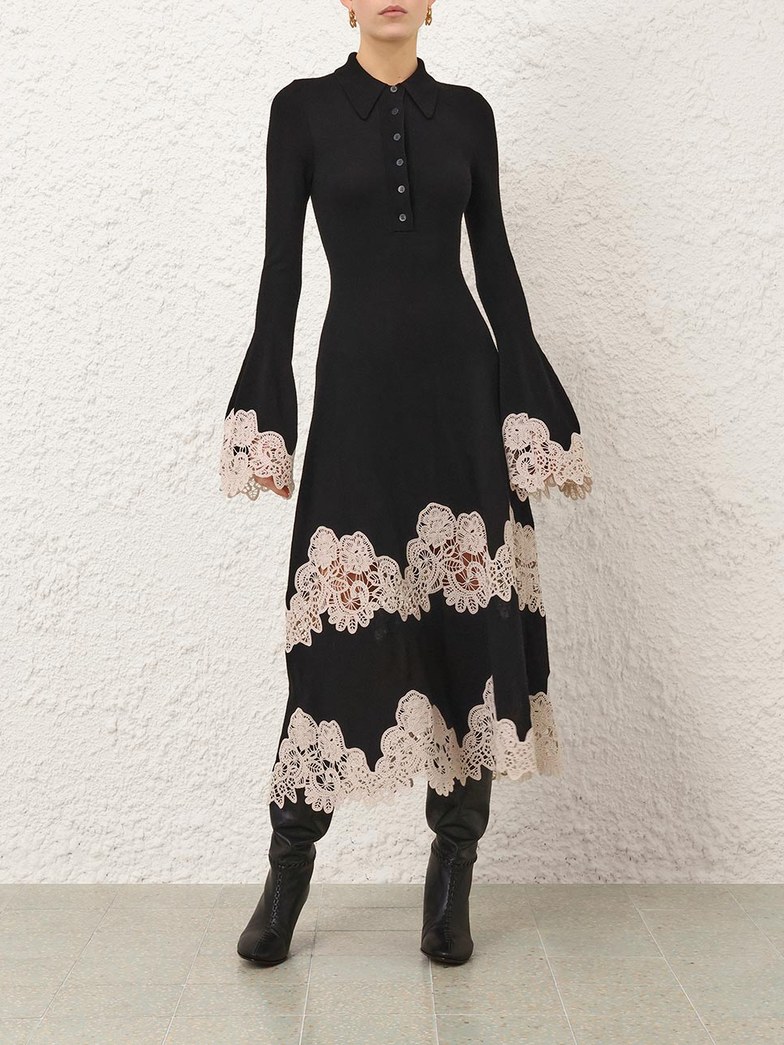
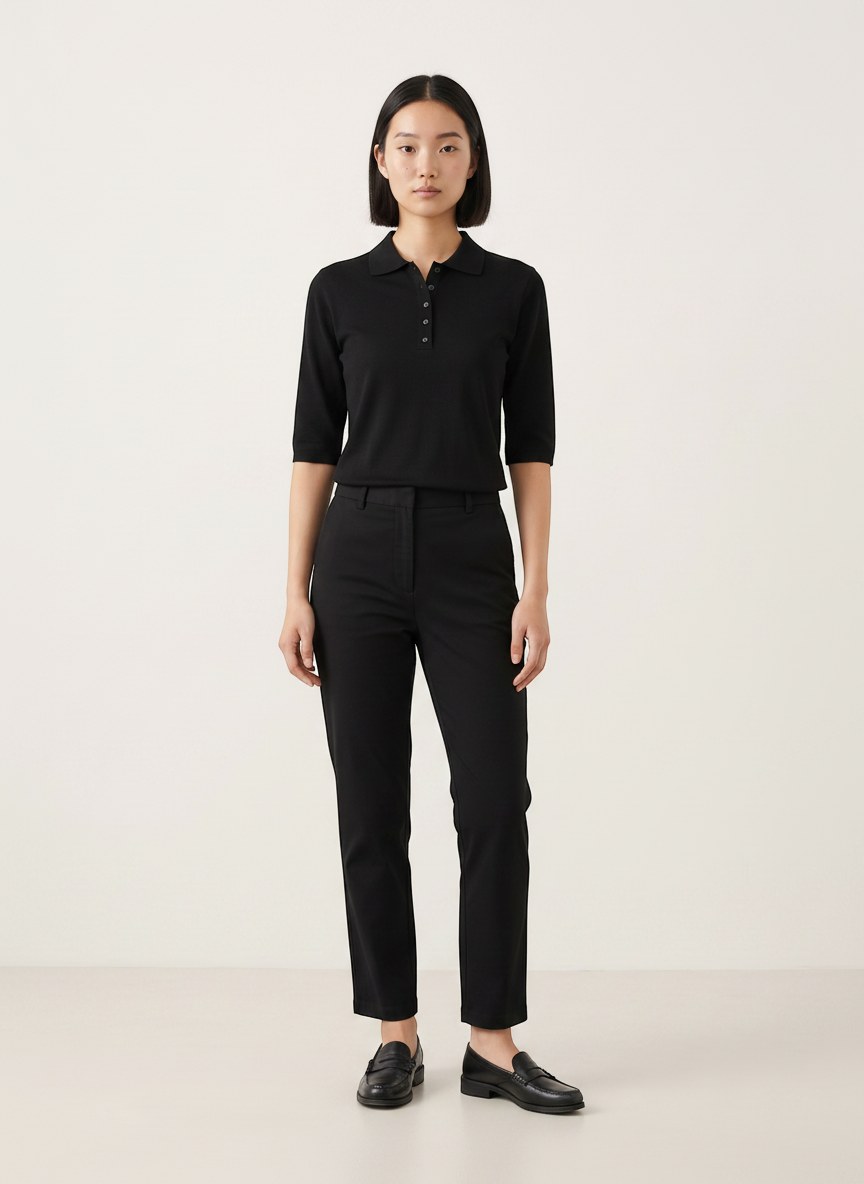
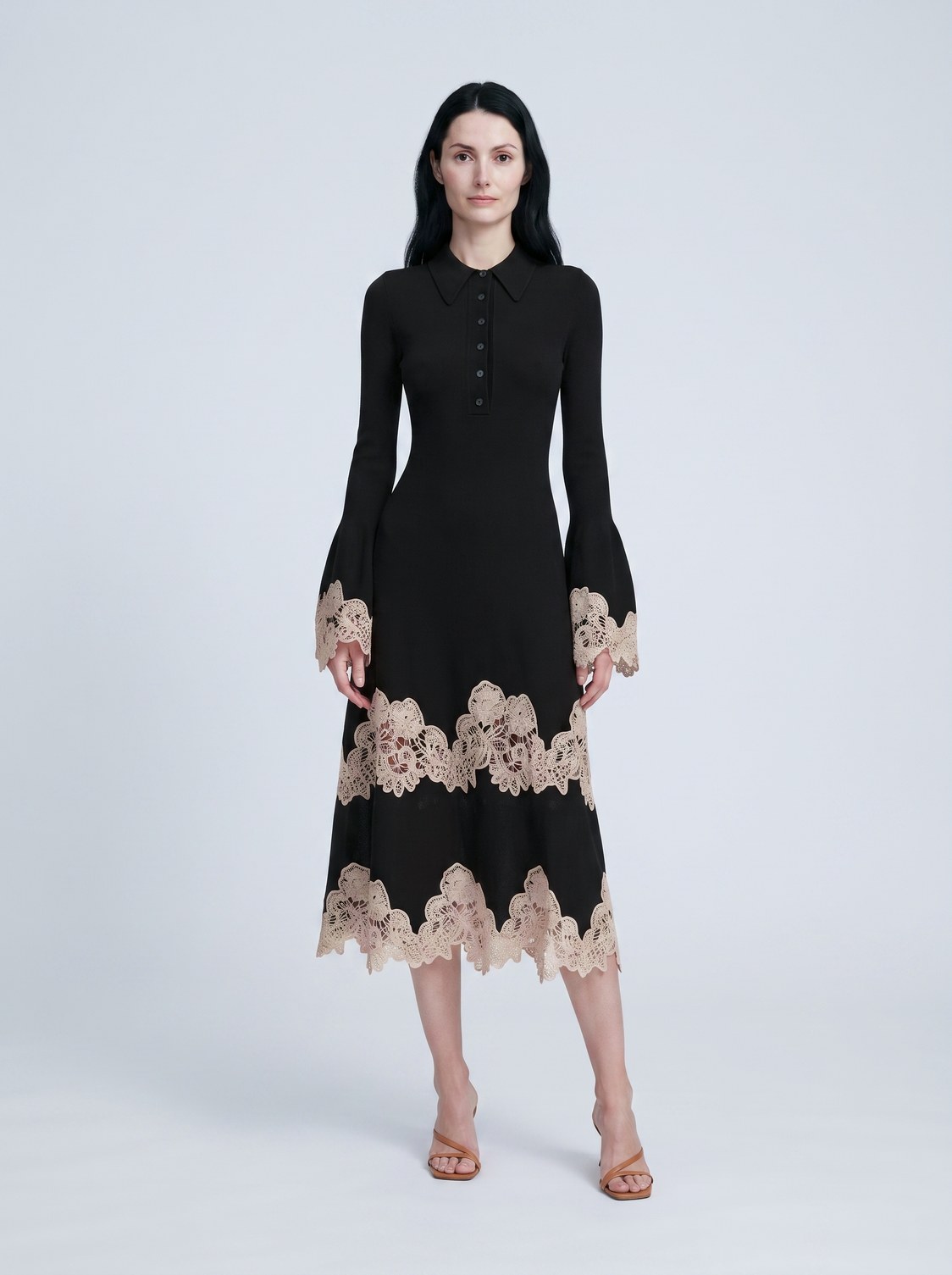
Lace-trim knit dress
Product missingThe rules-off frame shows a plain black polo and pants, with no dress and no lace. The models differ here.
 Demonstration input
 Generated
 Generated
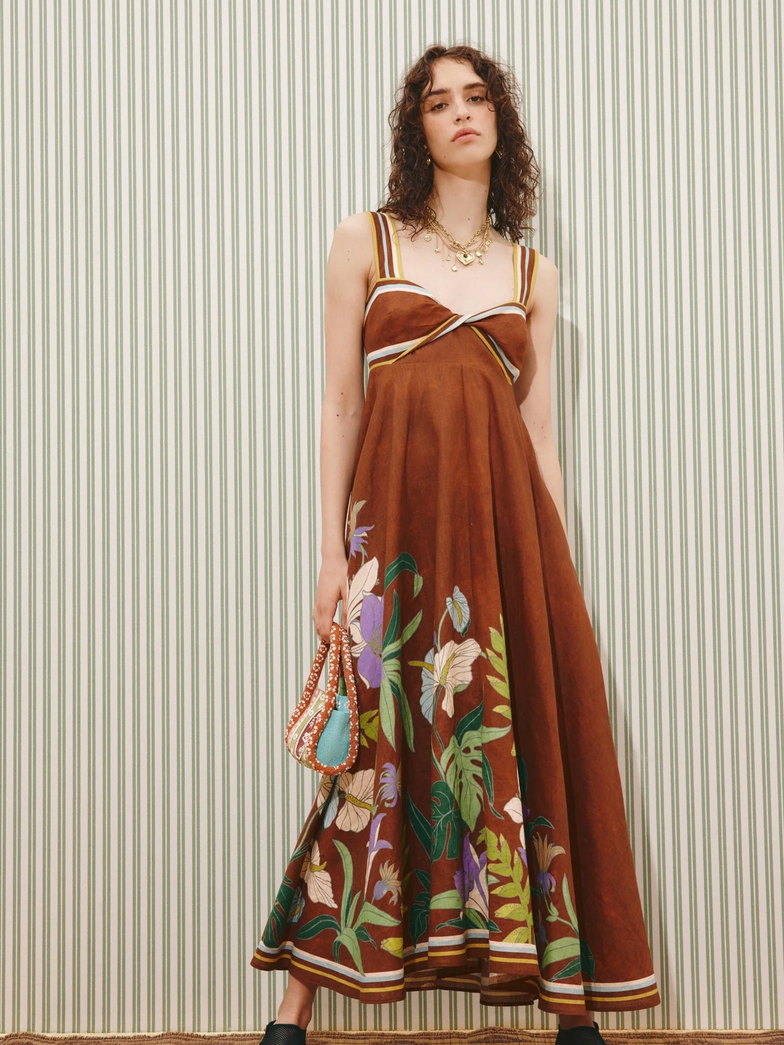
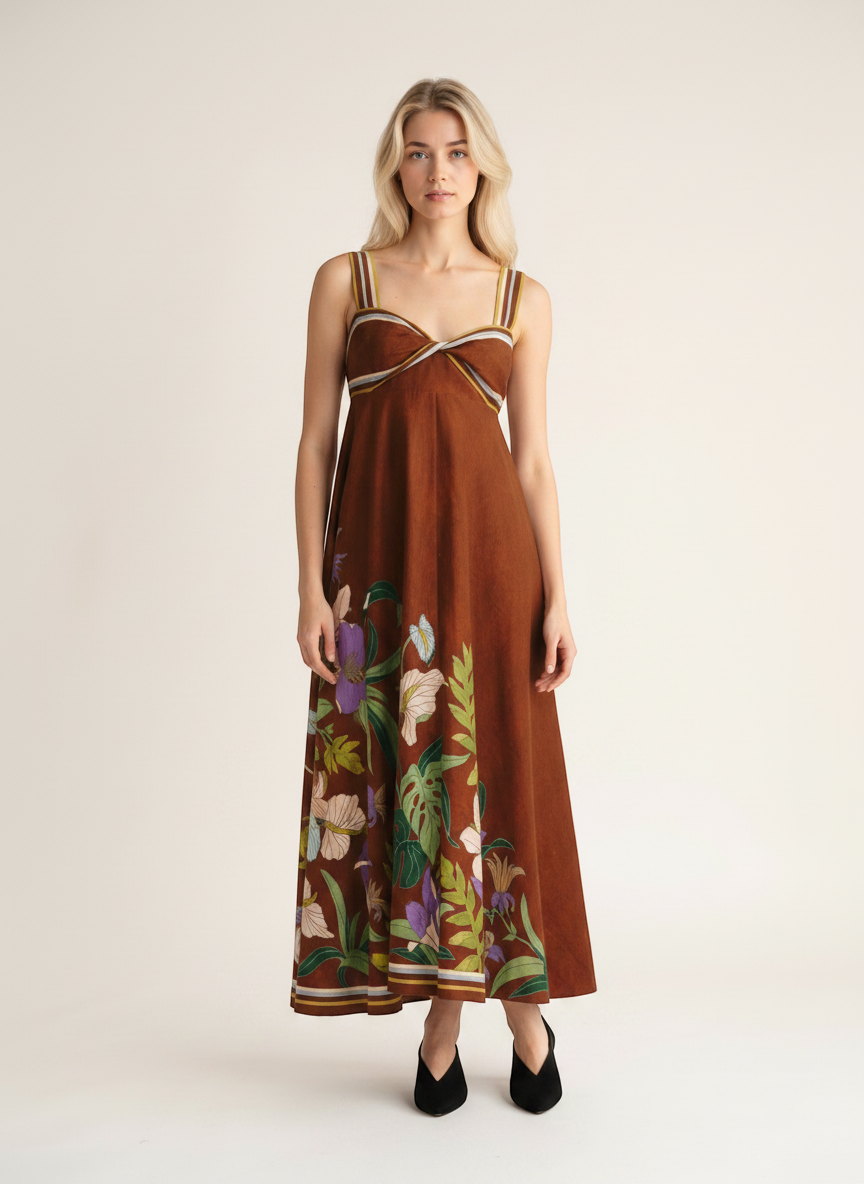
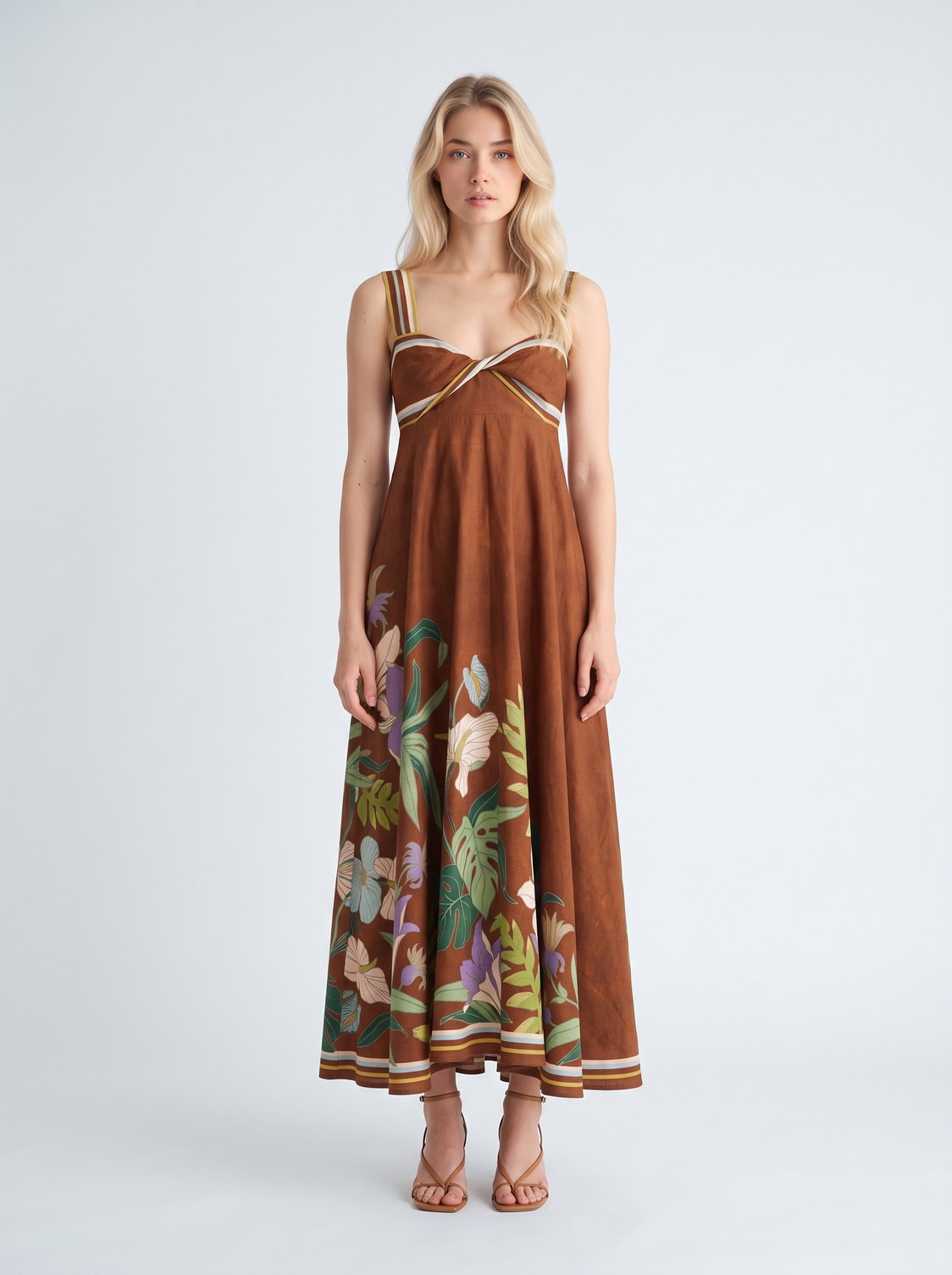
Twist-front sundress
Color driftBoth returned the dress. On one patch of skirt, read as a direction, the color difference from the photo (ΔE00) is 4.33 rules off and 2.87 ours.
 Demonstration input
 Generated
 Generated
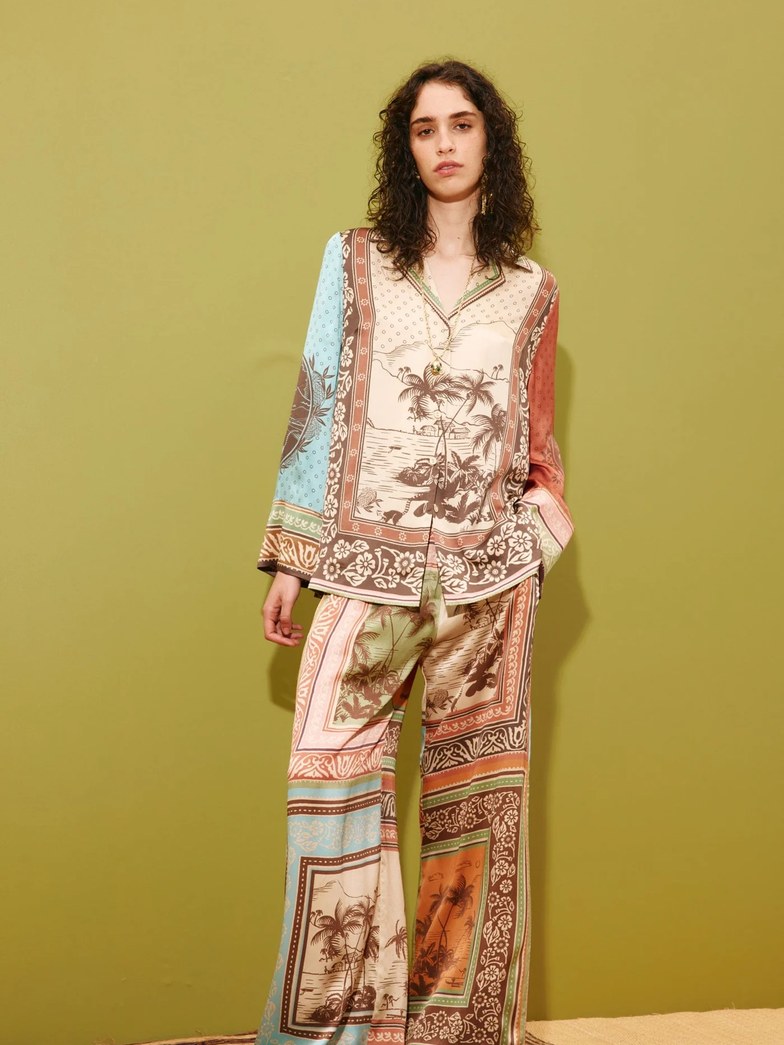
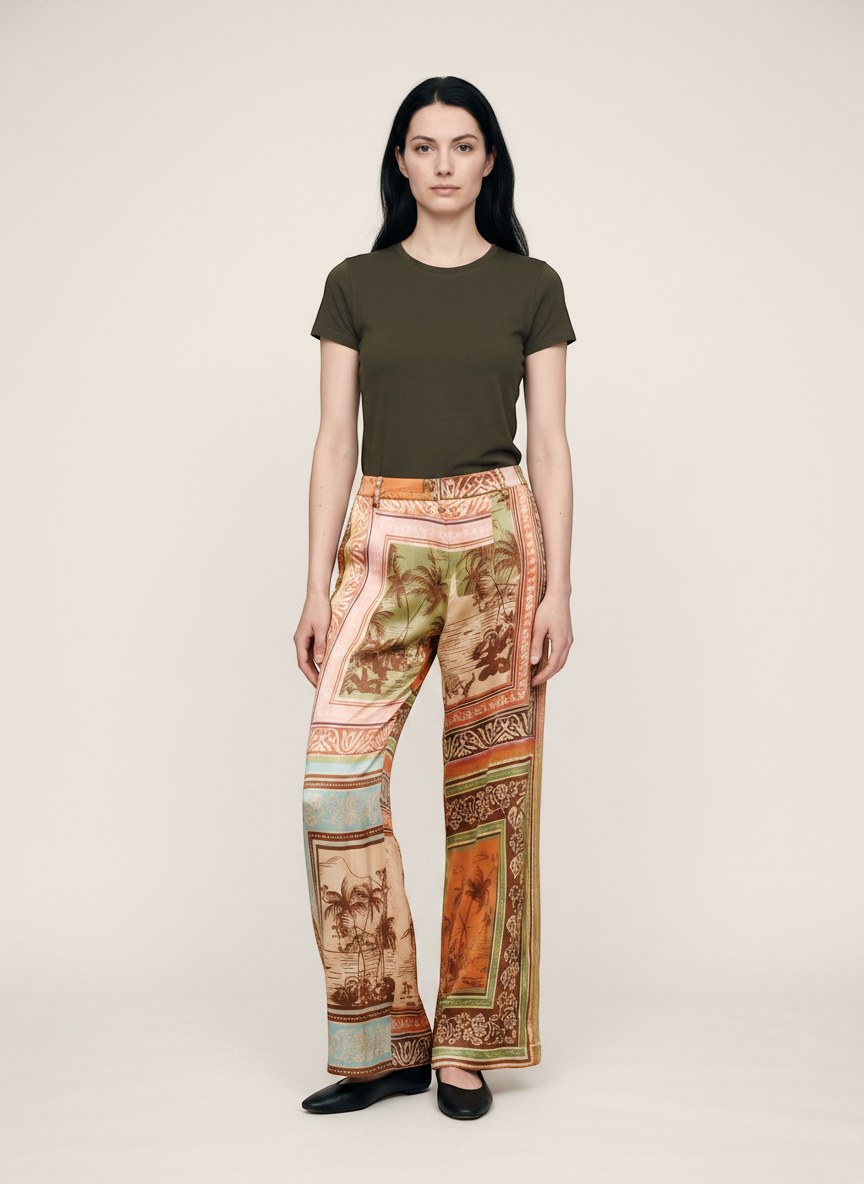
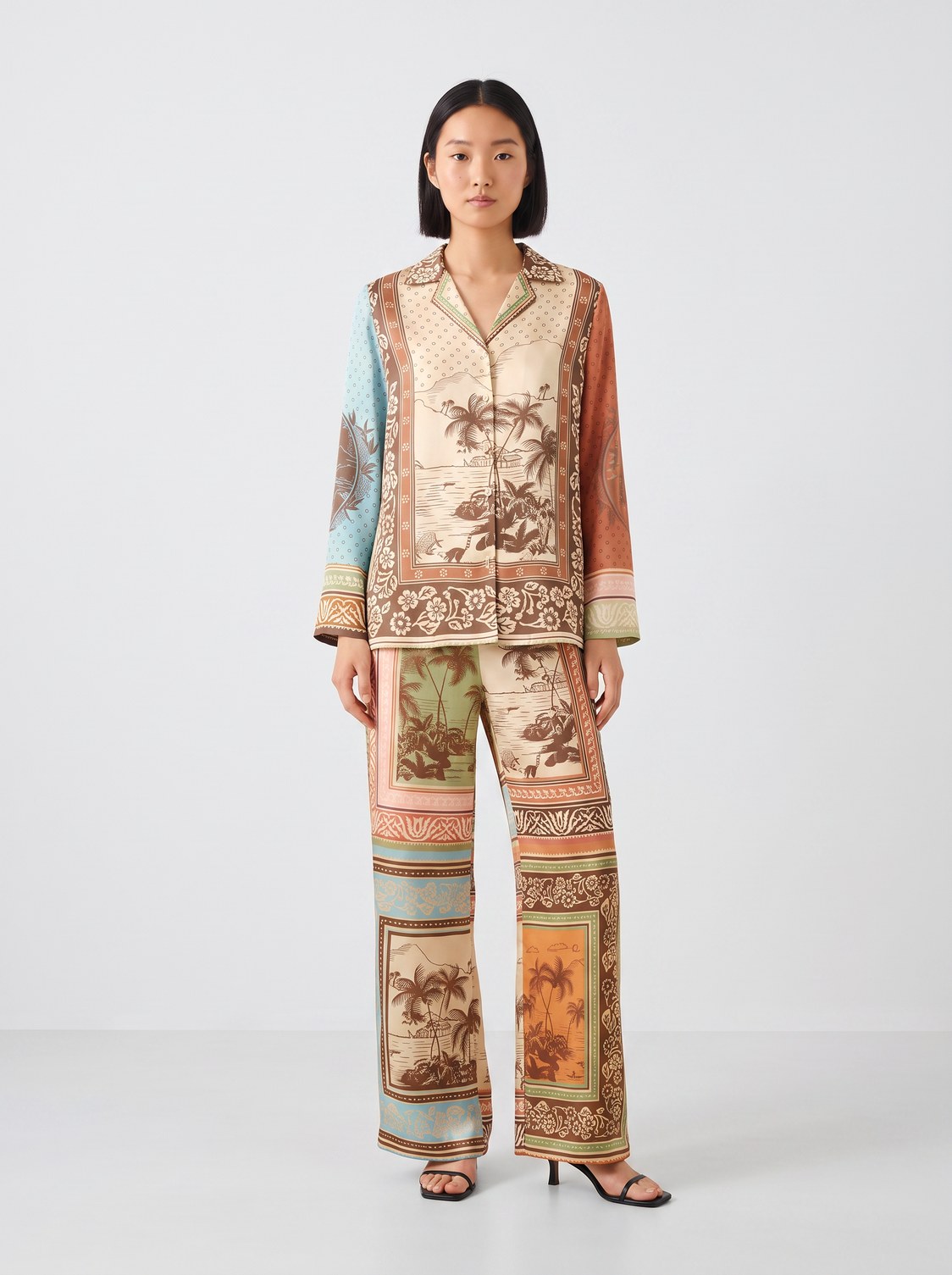
Printed silk shirt
Product missingThe rules-off frame keeps the printed pants and puts a plain olive tee where the shirt should be. The models differ here.
 Demonstration input
 Generated
 Generated
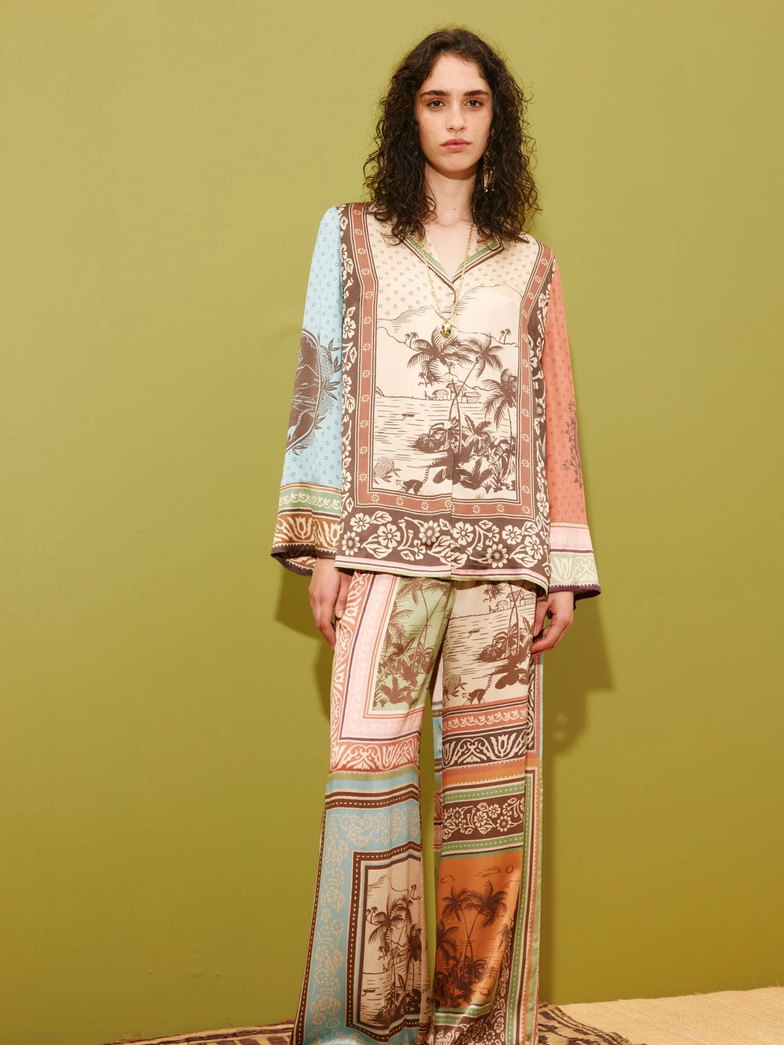
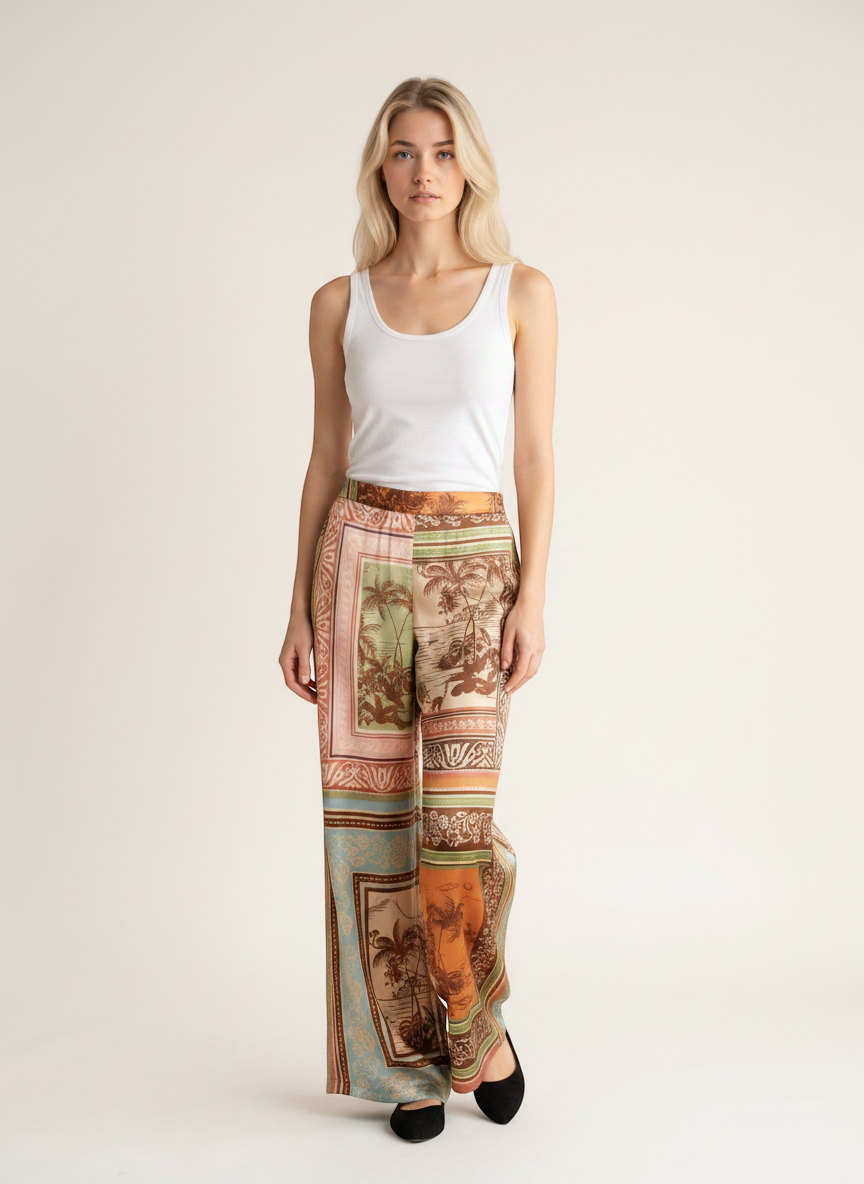
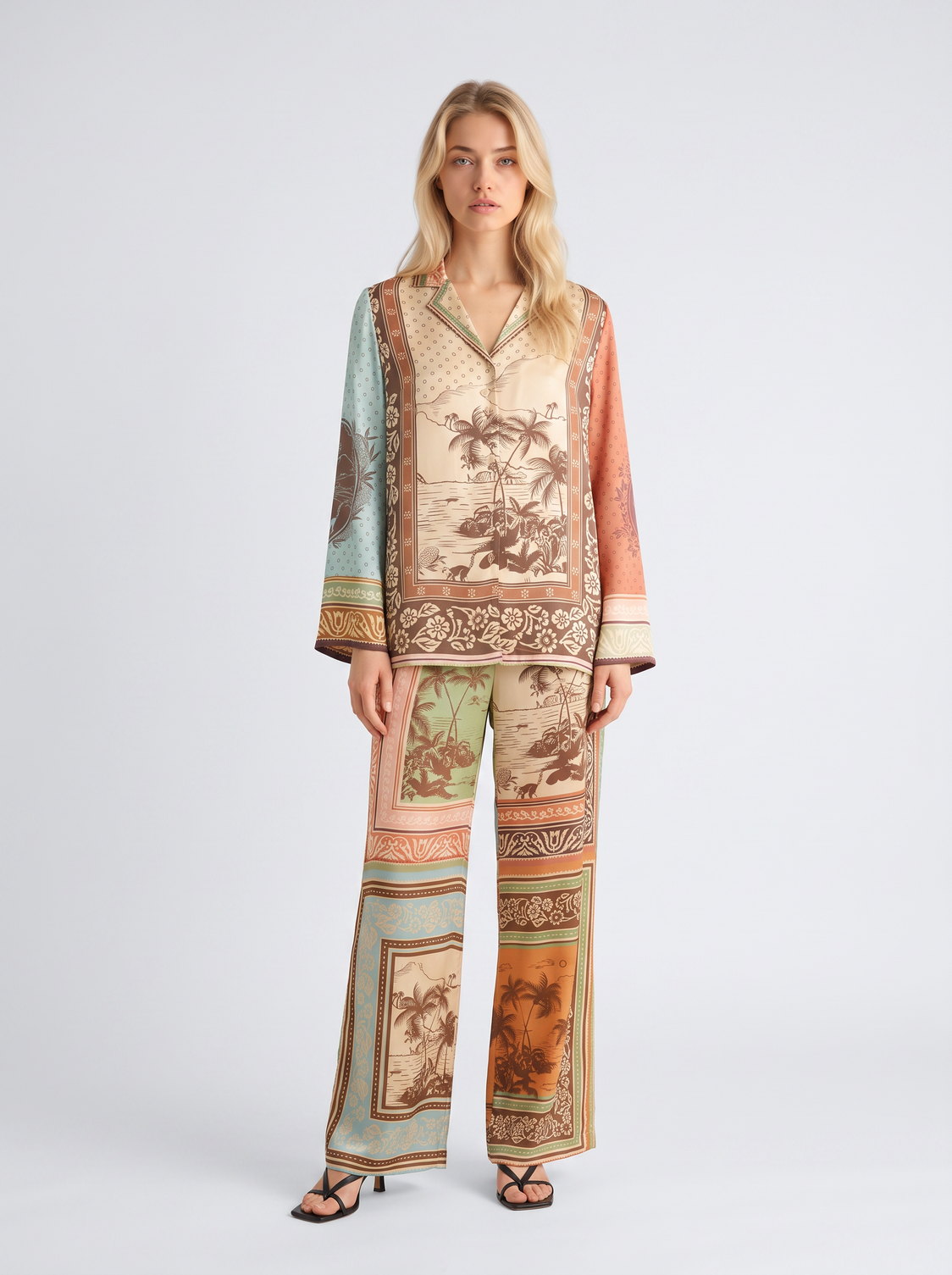
Printed silk pants
Improvised topThe same look as its own listing. Both get the pants right, and the rules-off frame swaps the matching shirt for a plain white tank.
 Demonstration input
 Generated
 Generated
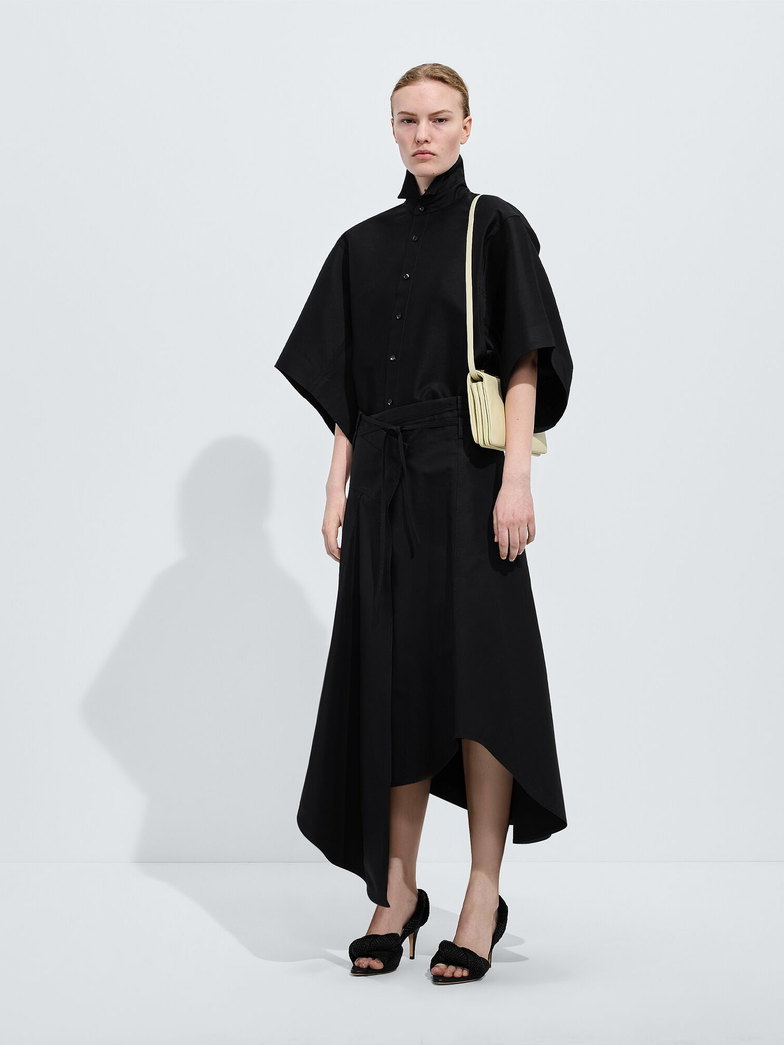
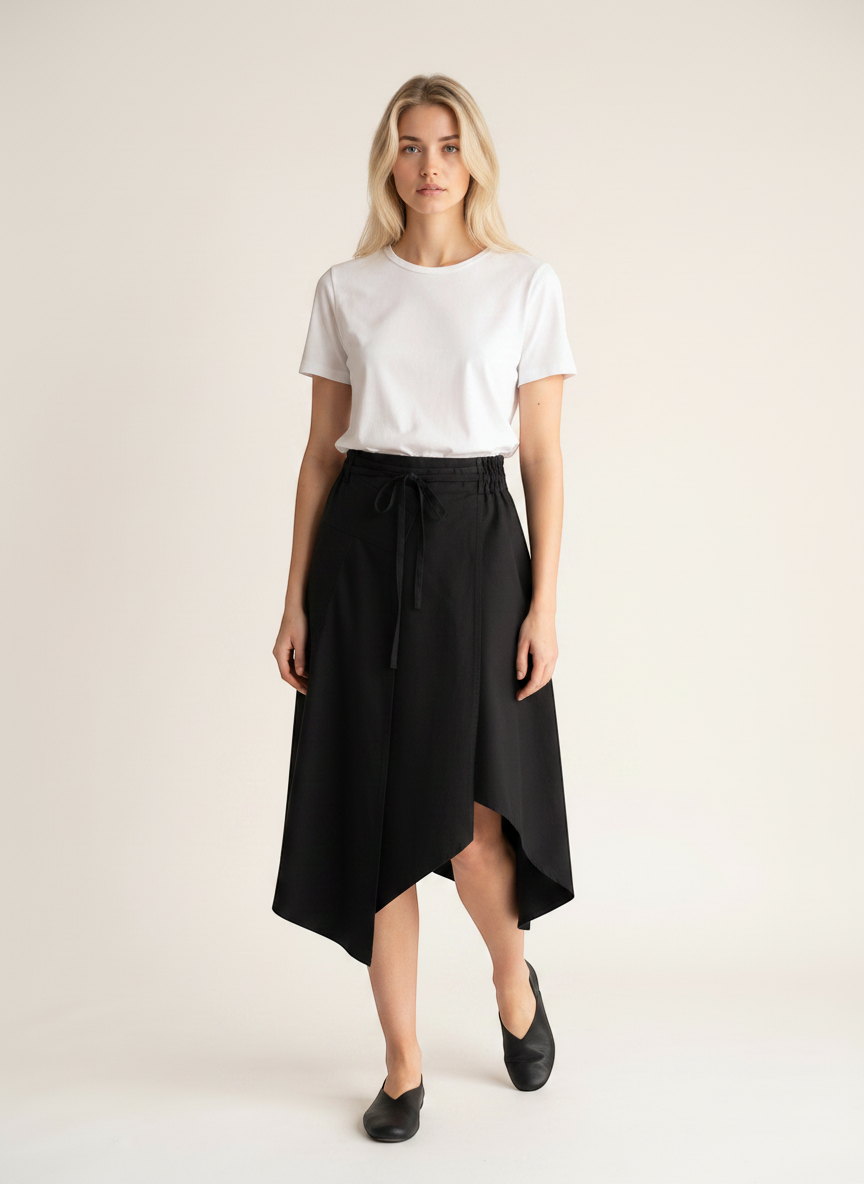
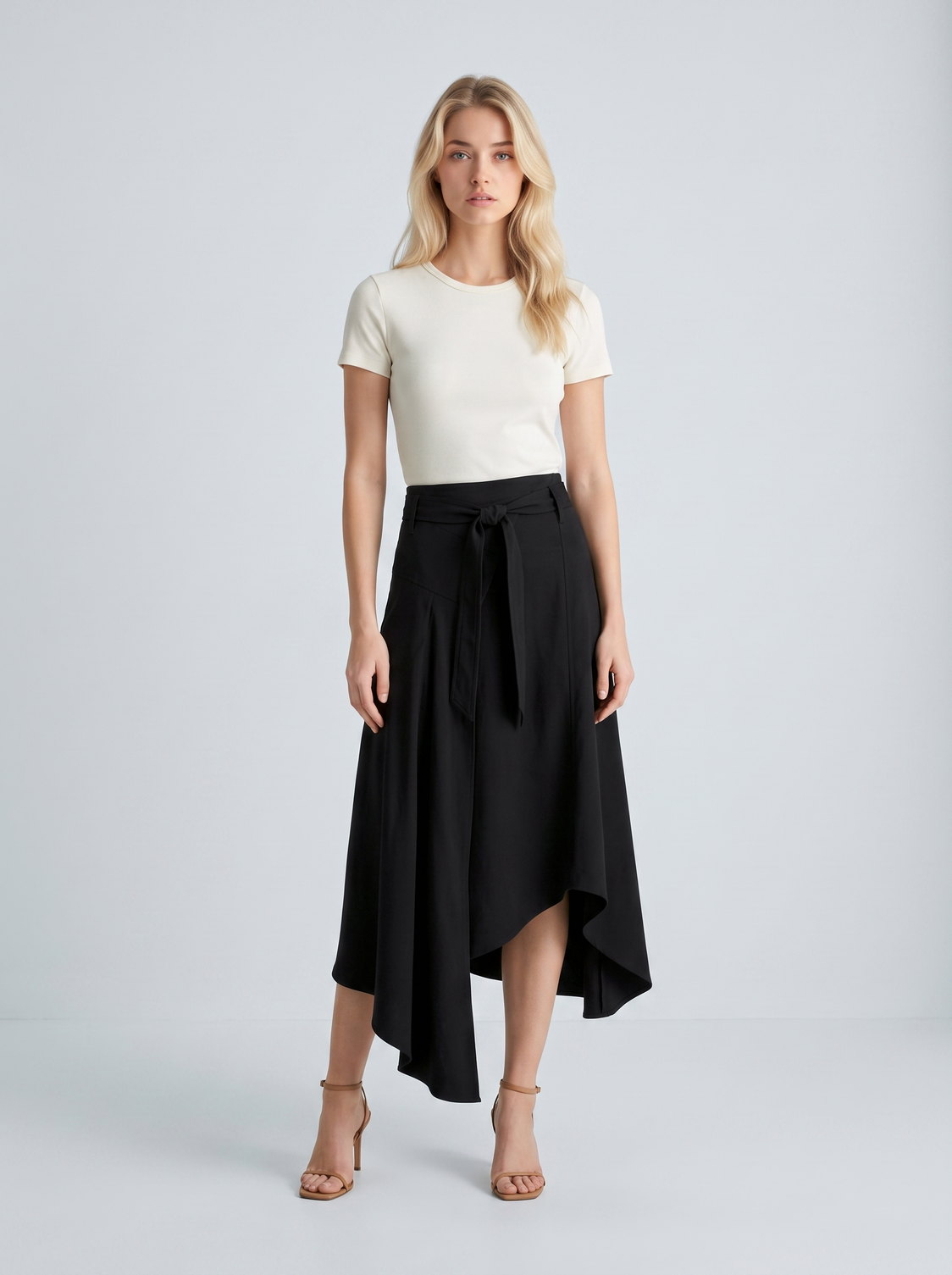
Asymmetric midi skirt
Wrong backdropThe closest pair. Both briefs asked for a cool neutral gray, and only ours came back cool.
 Demonstration input
 Generated
 Generated
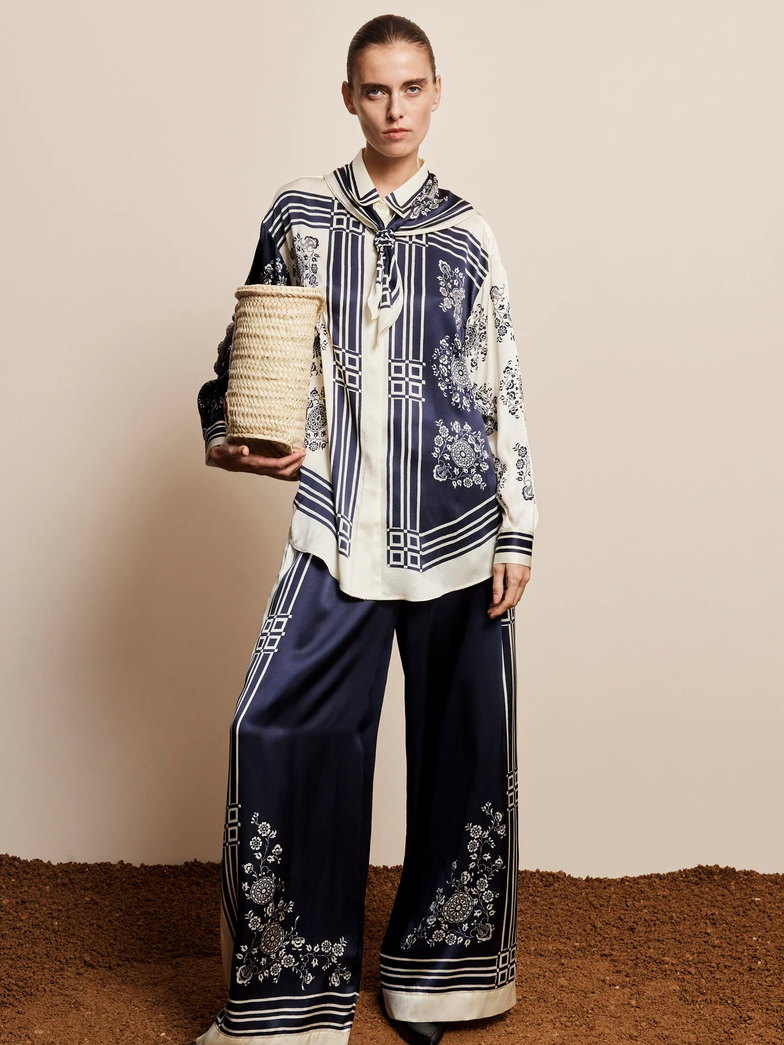
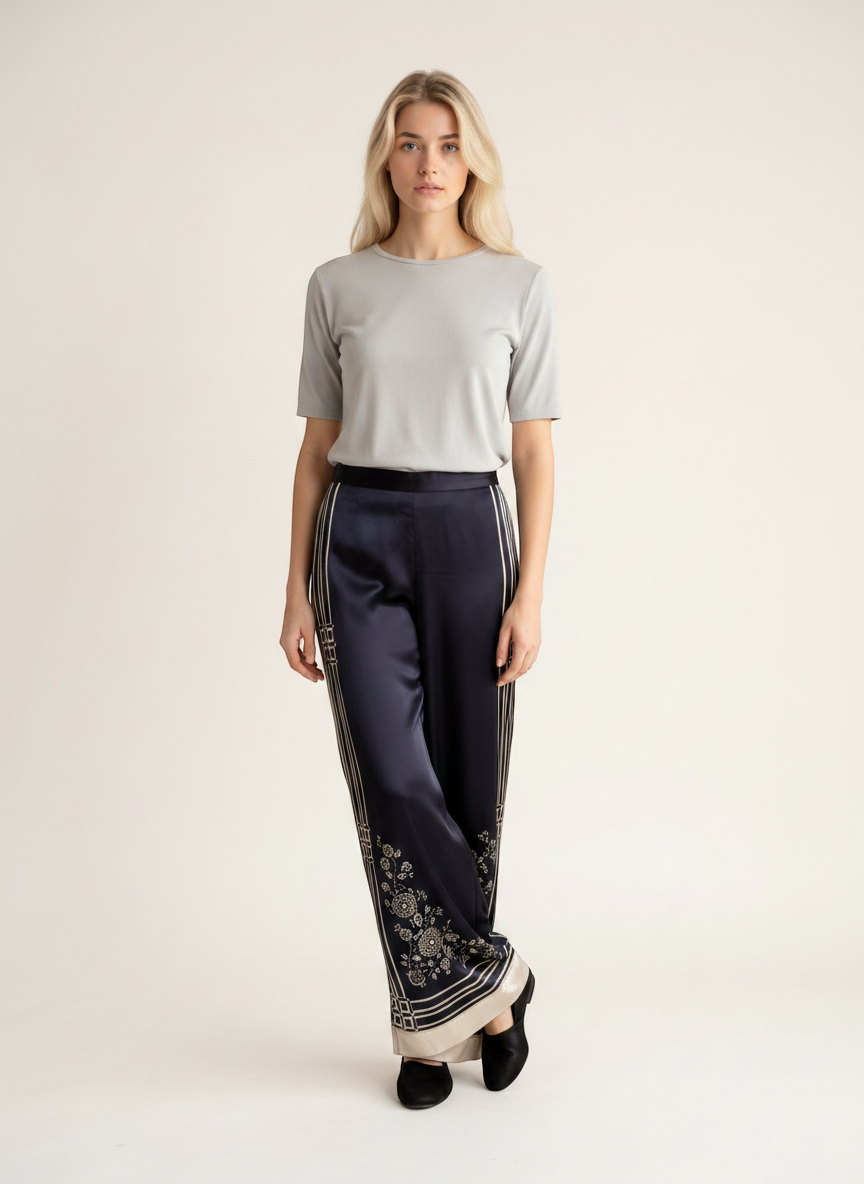
Navy print pants
Improvised topThe same fault on a second listing: the rules-off frame tops the pants with a gray tee where the photo has a matching shirt.
 Demonstration input
 Generated
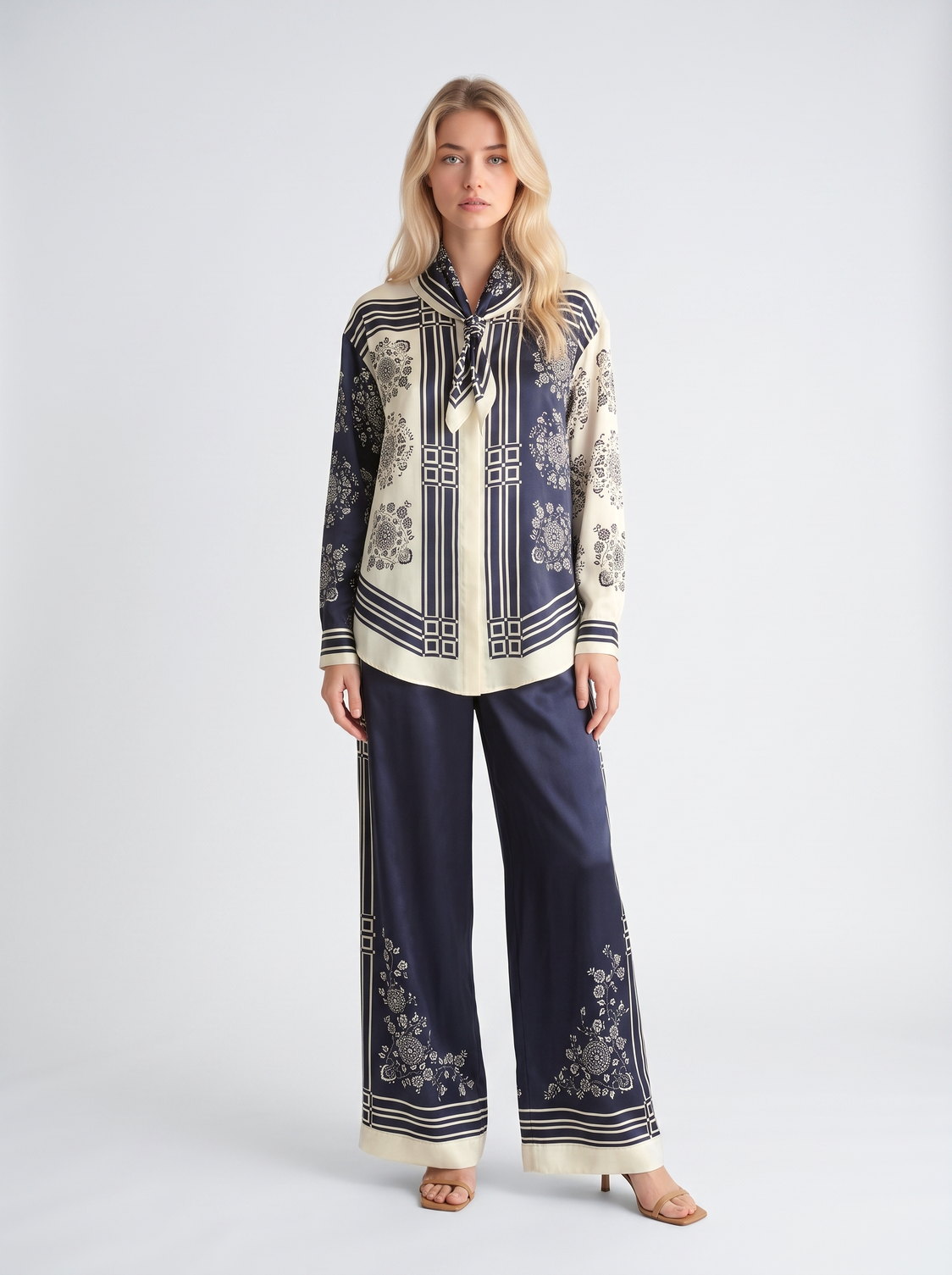 Generated
How often does it break across a run? 14 of 60 never came back.
One 60-garment womenswear run on each side, counted frame by frame. The other engine still got our sentence on what each garment covers.
We delivered all 60. 13 of the 14 were dresses.
We delivered all 17. Of the 4, one shows no dress and one a short shirt.
A cape top as a gray tee, a skirt as a cardigan and five more.
Our keep-or-retry check, which is advice, scored 53 of our 60 frames keep and 27 of the other engine's 46, the cape top among them. Its frames are 864 by 1184 pixels, and ours are 1792 by 2400. Our side is the womenswear sheet in bulk catalog photography.
How do you check an AI model photo? Six faults, in the order to look.
Hold each frame beside its garment photo and work down the list, starting with the fault that came up most.
| Fault | How it shows | Rows | Check |
|---|---|---|---|
| Different garment | Shows a plainer piece in its place | Seen in 5 of 11 | Check it against the photo first |
| Length lost | Shows a long piece cut short | Seen in 1 of 11 | Check where the hem falls |
| Wrong model | Shows the person from the photo | Seen in 1 of 11 | Check the face is the one you picked |
| Improvised pieces | Shows a plain top that ignores the look | Seen in 2 of 11 | Check the other pieces look chosen |
| Color drift | Shows the fabric a shade off | Seen in 1 of 11 | Check the color beside the photo |
| Wrong backdrop | Shows a set the brief didn't ask for | Seen in 1 of 11 | Check the sweep against the brief |
Google Merchant Center recommends showing clothing worn by a person, and requires AI-generated images to carry metadata saying so, which our files don't reliably carry yet. Source
What people ask about AI model generators.
What is an AI fashion model generator?
An AI fashion model generator takes a photo of a garment and returns an image of a generated model wearing it. Stores use it for product pages and ads without booking a shoot. The weak spot is the product: in one 60-garment run, another engine with our rules off returned 7 of its 46 frames showing a different garment.
Why does AI change my garment?
A generator fills in whatever the photo leaves open with the most common garment it knows, so a long dress can come back as a shirt and jeans. In one run with our rules off, 7 of the 46 frames that came back showed a different garment, and a long printed shirtdress came back as a short shirt over jeans. On the default setting, QuickAds reads your photo first and puts its color, material and print into the prompt.
Can I choose the model who wears my clothes?
Yes: QuickAds has 16 ready-made models, eight womenswear and eight menswear, and a photo of your own model works too. One shoot takes up to 60 garments and up to eight models. Still check that the face in each frame is the one you picked: in one rules-off run, a frame kept the person from the garment photo.
How do you check AI-generated fashion photos?
Hold each frame beside its garment photo and check six things in order: the garment, its length, the model's face, the pieces around it, the color and the set. A swapped garment came up most often in our 11-garment test, so it goes first. On the default setting, QuickAds color-measures each garment image against your photo where the garment can be isolated.
Does the keep-or-retry score catch every mistake?
No: the keep-or-retry score out of 100, with its reasons, is advice: a flagged image is still delivered, and running it again is your call. The check is built to flag a different garment, and it has missed one, scoring keep on a frame where a denim cape top came back as a gray tee. Look at every frame before it goes live.
Are the comparison images real photos or generated?
Every frame beside a garment photo is generated, one by another engine with our styling rules and color pass off and one by our pipeline, in two runs from August 2026. The garment photos are demonstration inputs from published product and campaign pages, and none of them is client work. The frames are resized and nothing else is done to them.
Every garment in your range, with the rules on.
QuickAds is a performance creative company that runs the whole chain: creative intelligence, creative strategy, creative production, influencer marketing and campaign management. Ecommerce fashion photography is the link that puts your garments on the models you pick, from one photo of each. On the managed plan, our team runs the shoots and looks at every frame before it reaches you.
Tell us what you sell and roughly how many garments. We'll come back with which ones to shoot first, and the looks for each.
Free. No card. We reply within one working day.