01 · Choose the job
Recurring persona
A recognizable face and voice across a series, with a clear brand role and a reusable character brief.
Create a recognizable AI persona for your brand’s videos, product stories, and recurring social content. Define the face and voice, plan the first series, and review every asset with your team.
QuickAds platform and managed-service figures.
Share your product, audience, and the content you want to make. Give the team a clear starting brief.
Prefer to talk? Book a call with the team.
An AI generated influencer is a fictional character presented through social content. A human team still decides the story, approves the output, and manages the account. The term virtual influencer is broader: it can also describe characters produced with illustration, animation, or CGI. An AI avatar can be a presenter in one ad; an influencer persona needs an identity that carries across many pieces of content.
A recognizable face and voice across a series, with a clear brand role and a reusable character brief.
A synthetic host for a product explanation or ad. It can work without building a separate influencer account.
A real person brings their own experience, performance, and potentially an existing audience. Choose this when those qualities are essential.
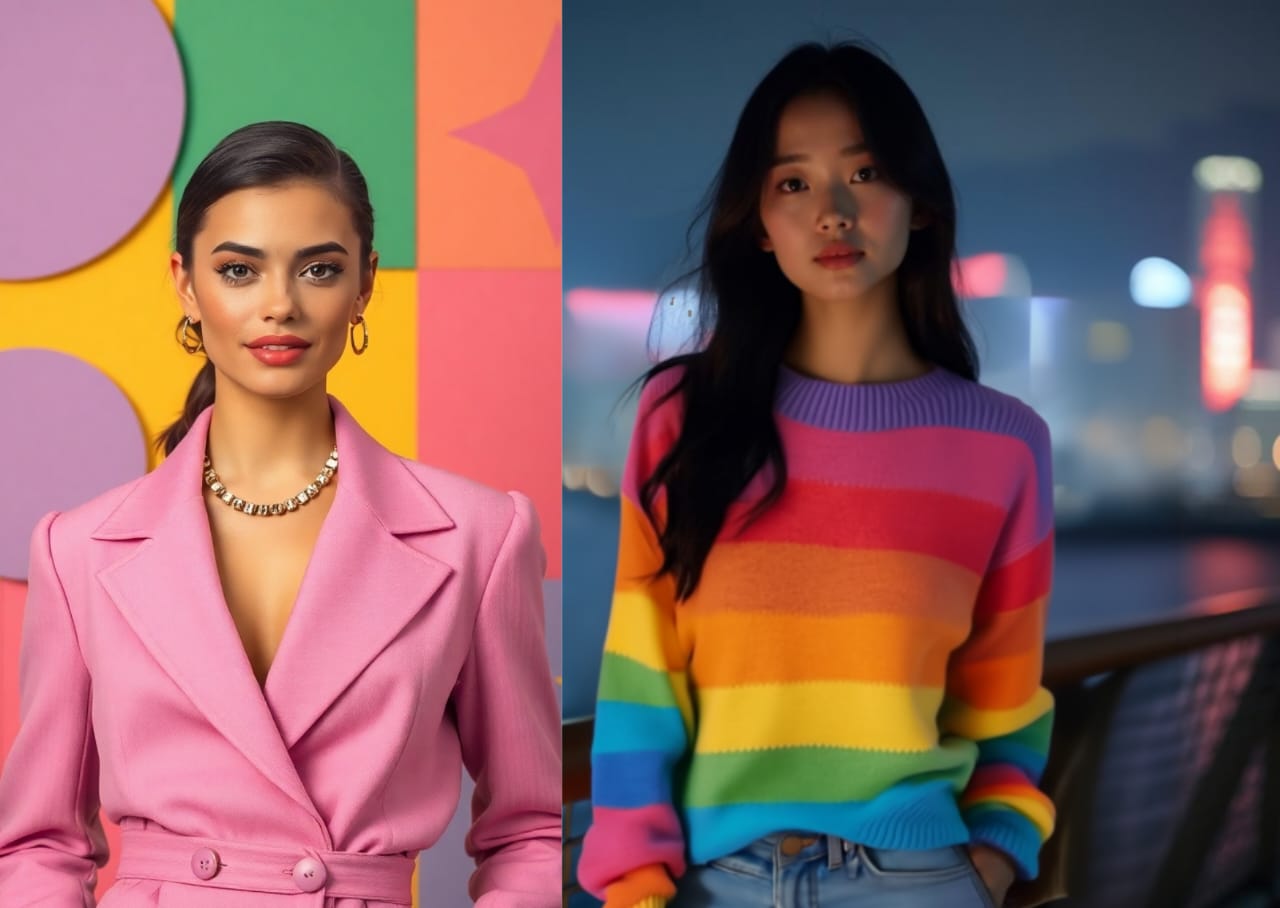
Treat an AI virtual influencer as a content program. Each step should produce something the next person can use and review.
Decide whether the character teaches, styles, explains, or introduces products. Define the audience and the next action you want someone to take. A brand spokesperson and an entertainment account need different briefs.
A one-sentence purpose and a list of topics the persona can credibly cover.
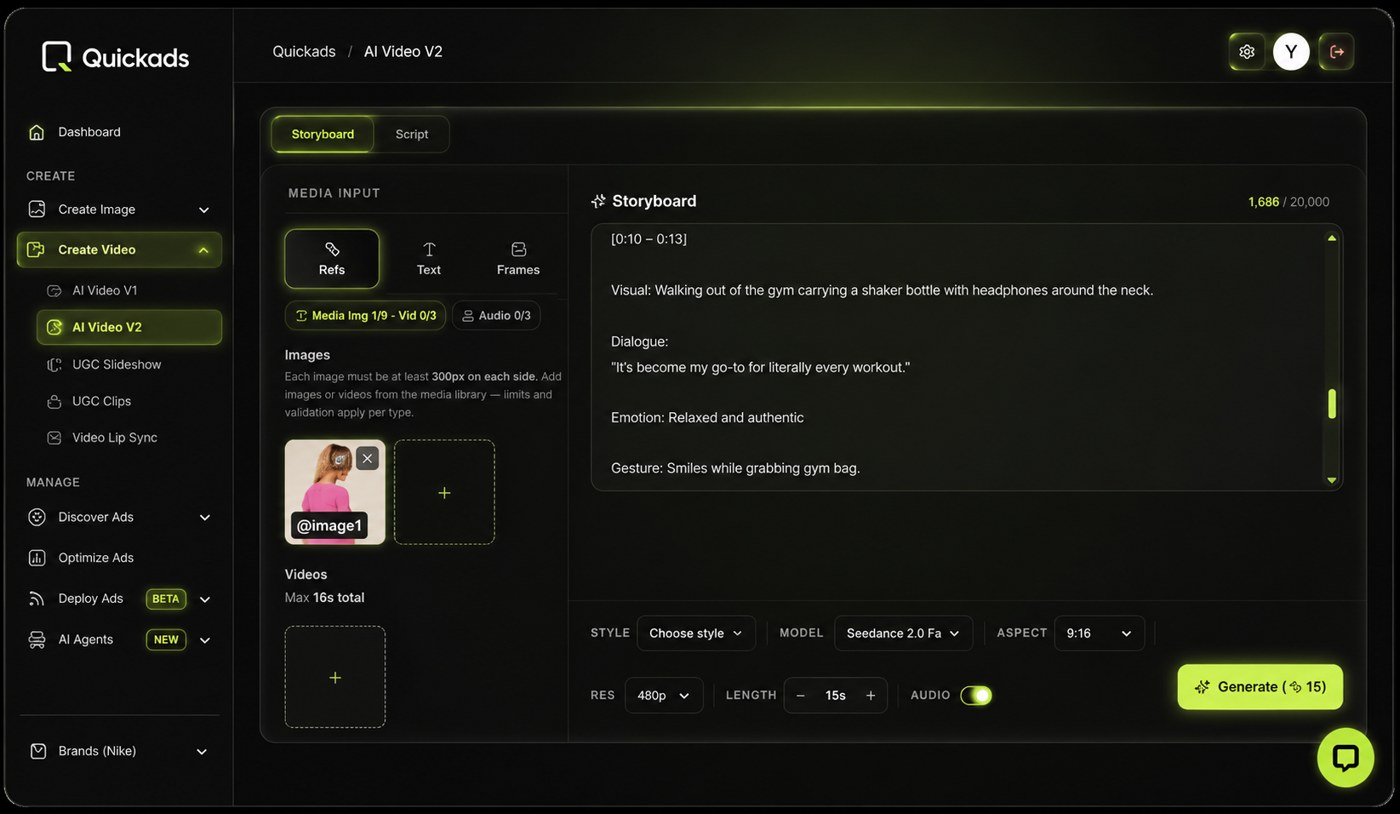
Document appearance, voice, wardrobe, tone, settings, and the features that must remain consistent. Save approved references before making a large batch. Review identity across different camera angles and expressions.
An approved reference pack with examples of acceptable variation.
A production checklist, not an automated quality score.
Use product information and customer questions to choose the subject. Make the first frame and spoken opening agree. Show the product detail that supports the explanation instead of asking the presenter to carry the entire message.
A script, shot list, and verified product facts.
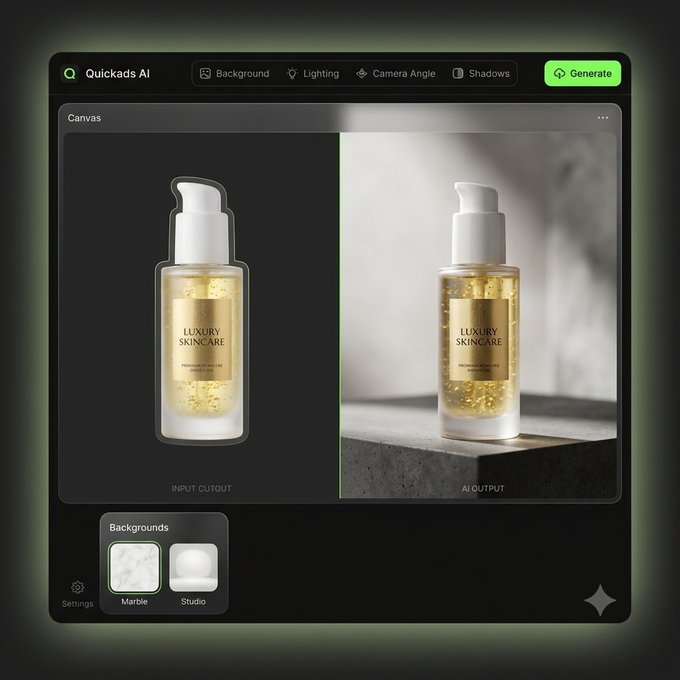
Check face consistency, speech, hands, packaging, logos, and product scale. A polished face does not compensate for an inaccurate product. Keep real footage where a synthetic demonstration would misrepresent performance.
A reviewed asset and a record of the changes requested.
Example scope. Confirm your own batch in the brief.
Present the character transparently as an AI persona. Choose a content or campaign goal before publishing, then compare results under similar conditions. Keep the identity stable while changing one creative idea at a time.
The next brief, informed by what viewers watched, clicked, or bought.
Choose the content your brand needs first. Build the character around that job, then take the channel-specific detail from the supporting guide.
A TikTok host returns with a useful question and a visible answer in each episode.
Plan a TikTok series →Use the persona to introduce the product story while accurate product material supports the explanation.
Explore Meta and Instagram ads →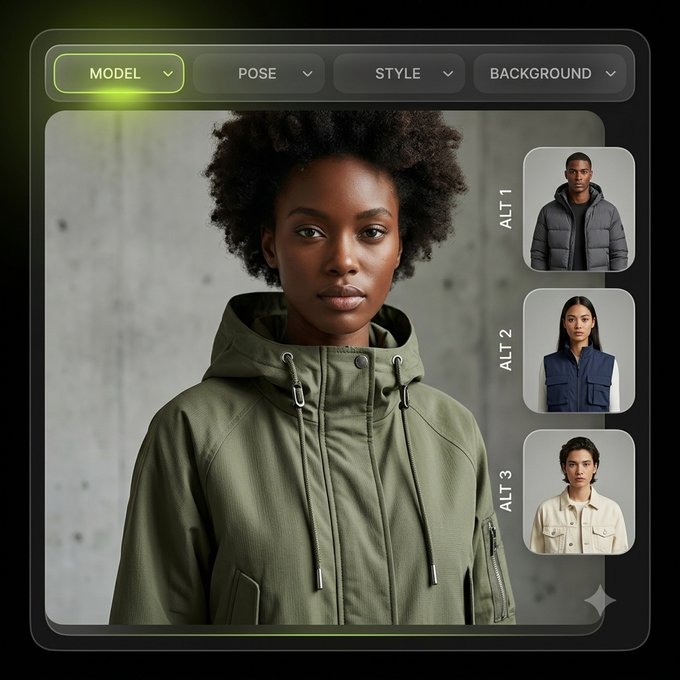
A consistent styling point of view connects individual outfits to a collection story.
Plan fashion content →Illustrative content directions and a QuickAds production reference. These are not campaign performance claims.
A clear brief and a complete review prevent avoidable problems in the finished content.
A visually striking character has no reason to return if every post is unrelated.
Define one audience, a useful point of view, and a repeatable content series.
An AI presenter cannot truthfully describe a purchase or lived experience as its own.
Use product explanations and clearly attributed, authorized customer evidence.
A new face, hook, offer, and format make the result difficult to interpret.
Keep a stable reference and document the variable you are testing.
| What you need | AI persona | Human creator |
|---|---|---|
| Continuity | A character brief anchors identity across assets. | The person's real identity and performance anchor the series. |
| Firsthand experience | Can explain supplied information; has no lived experience. | Can share genuine experiences when they actually have them. |
| Audience access | An account must earn or buy distribution. | An established creator may bring an audience if posting is included. |
| Production planning | Budget for setup, generation, editing, and review. | Budget for talent, filming, revisions, and agreed usage. |
Need real people to film or post for your brand? Explore Remy for human creator campaigns. For the creation tool, visit the AI influencer generator.
Audience, role, appearance, voice, and approved references.
Agree the scripts, formats, source material, and review process for a small pilot.
Set the volume and ongoing support after the identity and first outputs are approved.
See a presenter-led creative example from the QuickAds video guide. For an ongoing influencer, establish the character brief before producing a series.
Watch for the presenter framing and the space left for the product story.