Food and beverage marketing: sell the meal, the moment and the multipack.on the shelf, in the feed, in the cart.every SKU, every retailer, every season.
Food and drink brands have always sold moments. The moments are now planned on a phone, bought in an app and refreshed every week. The creative has to keep up.
Tell us the brand, the markets and the retailers that matter. We come back with what is missing on your digital shelf by market, what the first month of creative would look like and one number.
No card. We reply within one working day.
- A read of your product pages and live ads, retailer by retailer, market by market
- The asset count your market and network mix actually needs each quarter
- A first-month plan: concepts, formats, creators, turnaround
- One number per brand or market. No hourly billing, no roster fees
Food and beverage marketing in 2026 means winning three places at once: the physical shelf, the digital shelf on retailer apps and quick commerce, and the social feed where creators drive trial. The work is occasion-led creative, complete content for every SKU and pack, retail media built for each network, creators in every market, and claims locked per market, produced fast enough to follow seasons and promotions.
- Sell the occasion.Breakfast, game night, the heat, the gathering. Food and drink creative that works shows the moment with the product in it.
- Every SKU and pack needs its own content.Flavors, sizes and multipacks multiply the asset count fast.
- Online sells the planned basket.Multipacks, subscriptions and party orders move to apps and retailer sites first.
- Creators drive trial.Real people eating and drinking the product beat studio packshots in the feed.
- Claims need a system.Sugar, allergen, organic and health language differ by market and platform.
What people assume. What actually happens.
Food and beverage is the largest consumer packaged goods category and the one where online grew fastest after 2020. NielsenIQ and FMI found online drove close to 75% of US grocery dollar growth in 2025.
That growth lives on retailer apps, quick-commerce platforms and social feeds, each of which needs its own creative. This page covers what changed, the creative playbook that works for food and drink brands, and how to produce it at the volume the category now demands.
Food is impulse, so online does not matter.
The snack grab is impulse. The weekly shop, the multipack and the party order are planned, and planning happens on a phone.
One beautiful campaign carries the year.
Seasons, holidays and promotions change the calendar every few weeks. Creative built for one moment goes stale by the next.
The pack photo is enough for the digital shelf.
At thumbnail size the pack is a blur. Hero images, secondary images and a short video do the selling.
Where food and beverage marketing moved
Grocery apps and delivery
Weekly baskets are built in retailer apps and delivery platforms, where product pages and sponsored placements decide the choice.
Quick commerce
Snacks, drinks and party orders in minutes, merchandised by occasion and refreshed weekly.
Retail media
Trade budget now buys sponsored listings and retailer audiences. See retail media advertising.
Social and creators
Recipe, taste-test and unboxing content from creators drives trial and feeds paid social.
The food and beverage creative playbook
Build an occasion library
Map the moments your brand owns by market and season, then build reusable scenes, hooks and copy for each.
Make every SKU and pack shoppable
Hero image, secondary images, a short video and copy for each flavor, size and multipack, readable at thumbnail size.
Put creators in every market
Local creators cooking, pouring and tasting, with their content cut into paid social and retail media. See Remy, our influencer agent.
Build retail media creative per network
Each network has its own specs and policies. Cut the master to every one.
Lock claims per market
Allergen, nutrition, organic and health claims approved once per market and used verbatim.
Refresh on the promotion calendar
New variants every week through the season, with a read on which occasion, SKU and creator carried each retailer.
Who this is for
Global food and beverage groups
Brand and ecommerce teams across markets who need one creative system, produced locally and fast.
Snack, drink and better-for-you challengers
Brands launching flavors faster than they can photograph them.
Private label and retailer brands
Own-brand ranges with hundreds of SKUs and thin content, competing with national brands on the same shelf.
Where QuickAds fits
QuickAds is the creative layer behind food and beverage campaigns: creative intelligence on 32M+ ads, a brand and claims kit per market, 100+ assets a month in 5 to 7 days, creators through Remy and a weekly read on what worked. Your agency of record keeps the big idea. We make everything after it.
See beverage marketing, the digital shelf guide and how QuickAds helps FMCG brands.
Proof before the call.
Watch it work
- 50 ad variations from one videoEvery flavor, pack and market from one shoot.
- Find and manage creators with RemyReal people, real kitchens, one system.
- One product feed into branded catalog adsShelf-ready creative for every SKU.
Read the data
- FMCG ad intelligence report 2026Thirty brands, three markets, where the money moved.
- TikTok and Meta trends reportWhich formats are carrying right now.
- The video marketing guideVideo ad production at scale.
Questions teams ask first.
What is food and beverage marketing?
Food and beverage marketing is how food and drink brands build preference and sales: brand building around taste and occasions, shelf execution in store, and increasingly product pages, retail media, quick commerce and creator content online. In 2026 the planned basket is built on a phone, so the digital shelf matters as much as the physical one.
What does a food and beverage marketing agency do?
It should understand both the brand and the shelf: occasion-led creative, pack and flavor content, retail media and quick commerce, creators and market-by-market claims. Many agencies cover one of these. QuickAds covers the creative chain end to end and works alongside your agency of record.
What are good food and beverage marketing ideas for 2026?
Occasion content built for the week ahead, creator recipe and taste-test videos cut into paid ads, complete product pages for every SKU, bundle and multipack creative for grocery apps and quick commerce, and seasonal refreshes planned months out and produced weekly.
How do food brands use social media marketing?
Mostly through creators and short video: recipes, taste tests, unboxings and the product in a real kitchen or fridge. The content that works is then cut into paid social and retail media assets, so one creator shoot feeds several channels.
Can you handle allergen, nutrition and health claims across markets?
Yes, with a clear split of responsibility. We build a claims sheet per market from your approved language, use it verbatim in every variant and check each asset frame by frame before it ships. Your legal and regulatory teams approve the claims; we do not provide legal review.
The FMCG and retail page set.
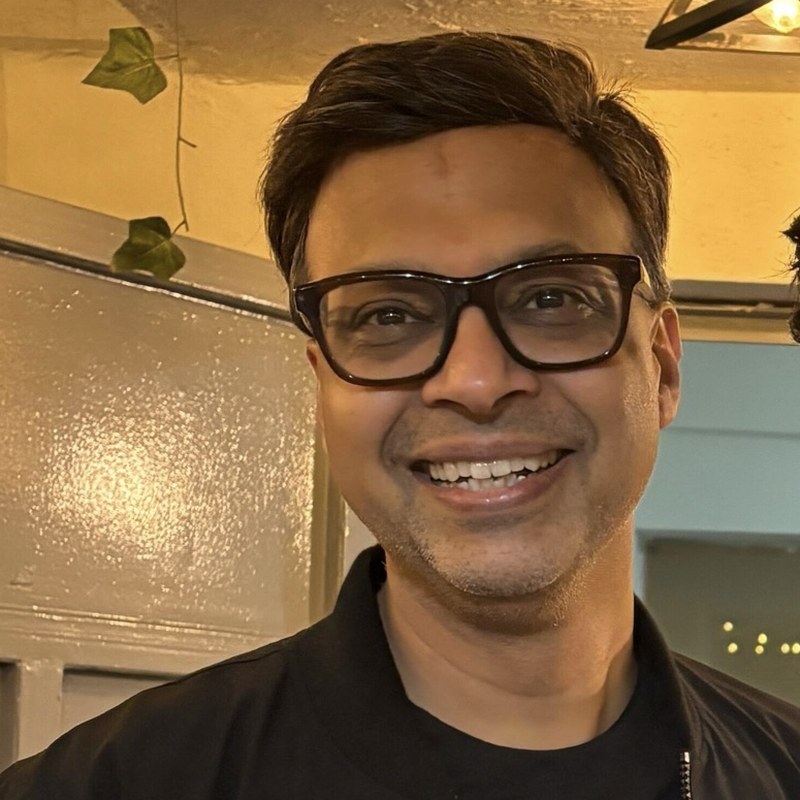
Nitin Mahajan, Founder and CEO, QuickAds
Nitin runs QuickAds, the creative intelligence and production company behind this page: 70+ people across India, Singapore, Canada and the US, and more than $200M of ad spend managed. Before QuickAds he was early at two companies that went on to become unicorns. This page comes out of the calls he has with FMCG and retail teams every week. Connect on LinkedIn
Tell us the brand and the retailers that matter. We come back with what is missing on your digital shelf and what the first month would look like.
No card. We reply within one working day.