Meta
Narrow, real, certification-gated
Topical CBD runs with LegitScript certification and written approval. GLP-1 telehealth runs when it manages weight instead of curing it. Both need clean audience naming.
Influencer outreach templates, a QuickAds screening example and a booking checklist for comparing quotes, usage rights and qualified replies.
The short answer
Influencer outreach is the process of contacting creators about a brand partnership and agreeing what each person will deliver. Start with a specific offer, use a relevant example from the creator's work, and confirm fees, usage rights, dates and approvals before treating a reply as a booking.
Key takeaways
By Nitin Mahajan, Founder of QuickAds and marketing leader.
Last updated October 2026
Use this guide when you have a campaign to staff and need to turn a shortlist into bookings. You can copy the messages, fill the scope record and compare quotes without assuming every creator is selling the same thing.
Remy is QuickAds' AI-assisted, human-reviewed creator sourcing and campaign agent for brands. This guide includes a real screening example from QuickAds, reusable templates and clearly labeled fictional examples.
Start with where the content will appear. If you are buying a post on the creator's account, their audience matters. If you need a video for your own product page, assess whether they can demonstrate the product clearly. A large following will not fix a poor demonstration.
Different creator arrangements need different instructions
A production fee does not establish all of those permissions. Ask for confirmation against the actual uses you need. For the advertising handoff, see the creator whitelisting guide; platform authorization still needs to match the agreed license.
A useful shortlist needs evidence of fit and current interest. For content production, review how the creator demonstrates a product. For a sponsored post, also examine recent comparable reach and the intended audience. Keep those decisions separate.
In a QuickAds screening report dated September 24, 2026, one Nigerian YouTube channel had 2.95 million subscribers. Its 12 visible uploads, dated August 6 to September 22, had a median of 1,052 views when checked. That finding prompted closer scrutiny of recent output before paying for audience distribution.
This is an anonymized single-channel example, not a US creator benchmark or evidence of fake followers. The uploads had different amounts of time to collect views. Compare similar formats over comparable windows before ranking creators. For a production-only brief, the creator's filming skill can matter more than organic reach.
That is what authenticity information should do for your team: expose the evidence behind a recommendation and show where it needs checking. Remy combines pre-vetting information with the brand's requirements. Confirm the data source, observation date and any missing audience details for the shortlist you are actually buying.
Give the record an owner and a version date. When an extra deliverable appears in an email, update the record and ask the creator to confirm the change. Otherwise the brand team, creator and media buyer can each be working from a different brief.
The following is an original editorial worksheet. Copy the fields into your own document or campaign system.
Write "not agreed" beside an open term. Leave an unknown cost blank until it is priced. Enter zero only when you know there is no charge.
Remy's predefined brief and outreach templates give the team a starting structure. The work is filling that structure with the specific offer and checked creator information. A template does not establish consent, availability or agreement to the terms.
Everything in this example is fictional. Example Home wants a creator to demonstrate a pantry jar for the brand's own channels. These dates and amounts illustrate a scope; they are not a QuickAds offer.
Use the creator's current business-contact instructions. If a manager is listed, contact that manager about the named creator. Check for an existing conversation before another team sends the same pitch.
A specific creative observation earns its place in the message. "Your overhead shot made the refill easy to follow" explains why you chose someone. "We love your amazing content" could have gone to anyone.
Assume the creator has posted a pantry-organization video. The observation below is part of the fictional example.
Subject: Paid pantry-jar video for Example Home
Hi Alex,
Your pantry video kept the camera on your hands while you refilled the containers. We'd like that clear demonstration style for our storage jar.
We're commissioning one 30-second vertical video, with clean and captioned files due November 18. You would receive the product by November 10. We want one agreed revision round and would confirm the review dates before you start.
We'd like a quote for production and a separate 90-day US paid-social license. We also need permission to use the video on our named brand accounts and product page. We're not asking you to post it to your audience.
Would you like the scope, and does that delivery window work?
Sam, Example Home
Subject: Paid [platform] campaign for [brand] in [month]
Hi [name], your [specific post] showed [detail you reviewed]. We're planning [campaign] and would like to discuss one [format] on your [account] during [window].
The proposed content budget is [range], with product and shipping [arrangement]. The brief sets out the review schedule, disclosure requirements and agreed time live. Brand reposting and advertising would need separate permission.
Are you available, and would you like the brief?
[Real sender name, role, brand and website]
These are message bodies, not complete compliant email templates. For US commercial email, check the FTC's CAN-SPAM guidance, including accurate sender and subject details, advertising identification, a valid postal address and a working opt-out. Confirm applicable requirements for the recipients and market.
A practical starting policy is one short follow-up after several business days, then close an unanswered pitch. This is an editorial suggestion, not a measured best interval. An existing relationship or agreed reply date may call for a different approach.
Hi [name], checking whether the [campaign] brief reached you. The [deliverable] is still open for [window]. If it fits, I can send the scope here. If the timing is wrong, I'll close this out.
Stop when someone declines or opts out. Record that decision so another team does not restart the pitch.
QuickAds' September 2026 creator-sourcing report uses 2-4 hours for briefing and 1-2 for review. At an assumed $50-100 hourly producer cost, that is $150-600 before creator fees and other work. These are planning estimates synthesized from operator guidance, not a measured QuickAds average or promised Remy saving. Add your team's actual hours to the booking record.
A cheaper production fee can leave you with a more expensive booking. In the fictional example below, Creator B has not priced advertising use yet. That missing number cannot be treated as zero.
Hypothetical quote comparison in USD
Planned exposure adds the quoted fees and the brand's allowances. The $90 reserve is not an agreed creator fee. Neither example establishes a typical market rate. For broader cost questions, start with UGC rates and scope.
If the complete quote exceeds the cap, ask for a revised quote on a smaller job. Removing a deliverable or shortening a license may change the price. The creator needs to price that change; a bundled fee does not necessarily divide proportionally.
Thanks for the quote. Could you confirm the price for [specific use] over [period], plus [revision requirement]? Those items are still open in our scope record. Once we have the complete quote, I can route it for approval.
Give each creator one current status: contacted, replied, qualified, quoted, scope agreed, approved or booked. Define the final milestone for your team. It might require accepted terms and a purchase order, deposit or another agreed payment step.
Before marking a booking complete, check the accepted scope version, all-in planned cost, spend approval, delivery dates, permissions and payment step. Name the person who owns the next handoff. If anything is missing, record the specific next action instead of marking the row booked.
Plan endorsements and disclosures before filming. The FTC's disclosure guidance explains that payment and free products can create a material connection. Disclosures should be clear and placed with the endorsement. The creator must describe an honest experience and avoid unsupported product claims.
Track unique creators in a fixed campaign group with a reporting cutoff. Deduplicate anyone contacted through multiple channels. Record delivery failures separately.
If delivery is unknown, use attempted contacts as the denominator and label the series accordingly. Give recent conversations time to mature before comparing them with an older campaign. Missing observations cannot establish a good or bad rate.
Many replies but few complete quotes point you toward the brief or commercial questions. Many agreed quotes but few bookings warrant a look at approvals, timing and payment. Read the actual conversations before assigning a cause. Campaign sales and incremental return need separate measurement.
QuickAds founder Nitin Mahajan reports replies in the 30-50% range for its opt-in UGC pool. Those creators have expressed interest in relevant opportunities. He contrasts that with a 5-10% range in cold influencer outreach.
Founder-reported operating ranges shared October 20 2026
No sample counts, reporting period, channel breakdown or exact reply denominator accompanied these figures. They describe different creator pools and were not supplied as a matched-campaign experiment. Use them as company-reported context, not a forecast or a measured product uplift. A reply still needs to become a qualified conversation and an approved booking.
The practical lesson is to record interest alongside fit. Ask whether the creator opted in, when that information was checked and whether this particular offer suits them. Wider live discovery can find additional influencers; it does not mean everyone found has opted in or is available.
For a brand team booking several creators, Remy brings the brief, shortlist and outreach into one campaign workflow. You provide the audience, product, content uses, dates and budget. The team can then work from a common offer instead of rebuilding it in each conversation.
Think of the search experience as a marketplace that ranks relevant current options for your brief. The value is a usable selection with supporting evidence. A large historical inventory count tells you little about who fits this campaign today.
Bring one real campaign brief to a Remy demo. Ask to see the template, why each creator was recommended, how recently the evidence was checked, and how a conversation becomes a booking. Your team keeps approval over spending and agreed terms.
This guide was researched and drafted with AI assistance. Nitin Mahajan, QuickAds' founder, supplied the product and response-range information on October 20, 2026. The screening example comes from the dated QuickAds report described above. The homeware campaign, messages and quote comparison are fictional editorial examples.
QuickAds sells the service linked in this guide. The examples do not compare tested vendor performance or promise a response rate. Sources were checked October 20, 2026; platform procedures and individual commercial terms should be checked for each campaign.
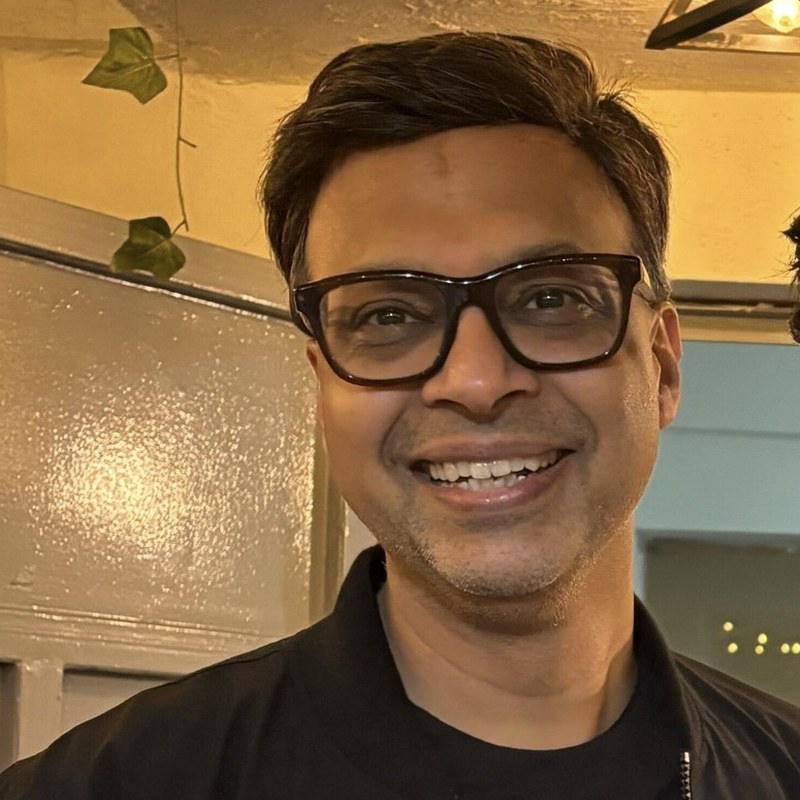
Nitin Mahajan is the founder of QuickAds and a marketing leader whose career includes more than $500 million in advertising spend and work with brands including Unilever and Apple. At QuickAds, his focus is turning research, creator selection and creative production into practical campaign decisions: who should make the content, what they should deliver and how to judge the result.
Influencer outreach means contacting creators about a brand partnership and working toward an agreed scope. A useful process connects the initial message to deliverables, fees, usage rights, dates and approval. A reply starts a conversation; the campaign is ready only when both sides understand what is being bought and the relevant terms are confirmed.
Use the creator's stated business-contact preference, such as an email address or direct message. Explain the specific fit with a reference to work you actually reviewed, then state the proposed deliverable, timing and next step. Keep the accepted brief and commercial terms in one record so the creator and brand team can work from the same version.
Include who you are, why this creator fits, what you want them to make or publish, the proposed timing and a clear next step. Give a budget range when available. Separate a production fee from paid-advertising rights, exclusivity and other uses. Ask the creator to confirm any terms that remain open before the booking is approved.
A useful response rate depends on the creator pool, channel, offer and denominator. QuickAds founder Nitin Mahajan reports 30-50% replies for its opt-in UGC pool and contrasts that with 5-10% in cold outreach. These are founder-reported operating ranges without an underlying cohort supplied, not a verified industry average or a forecast for your campaign. Measure qualified replies and confirmed bookings separately.