AI product video mistakes · seven pairs, one variable

What a product video does when nobody locks it.

Each tile is the same invented product generated twice from the same reference image, on the same engine, at the same length. The only thing that changed is the prompt. The broken one plays; hover, focus or tap for the locked one, and open the case for both prompts and what came back.

What you are looking at

The failure classes are real; we read them off delivered runs. The clips illustrating them were generated on purpose, on invented products, from the two prompts printed under each pair. Nothing else changed between the two: not the reference image, not the engine, not the length. Two takes each; the tallies are what came back. No client product appears in them.

How to read a tile: the take from the broken prompt plays. Hover, focus or tap for the locked take. The red flag names the failure class; the green one names who fixed it. "Open the case" shows the reference image both prompts were given, the two prompts word for word, and how many takes drifted or held. The products the careless prompt did not break are listed under the wall.

The wall

Five Ways The Product Stops Being The Product

Geometry, material, color, type and scale. On the engine we ran, four of the five broke under a careless prompt and one would not. Both results are on this page: the tiles show the breaks, and the products that held are listed under them rather than staged.

Wrong colorFixed by QuickAds
LOCK-03 · Color lands inside the bandHover or tap for the locked take.8s · broken drifted 2 of 2 · locked held 2 of 2

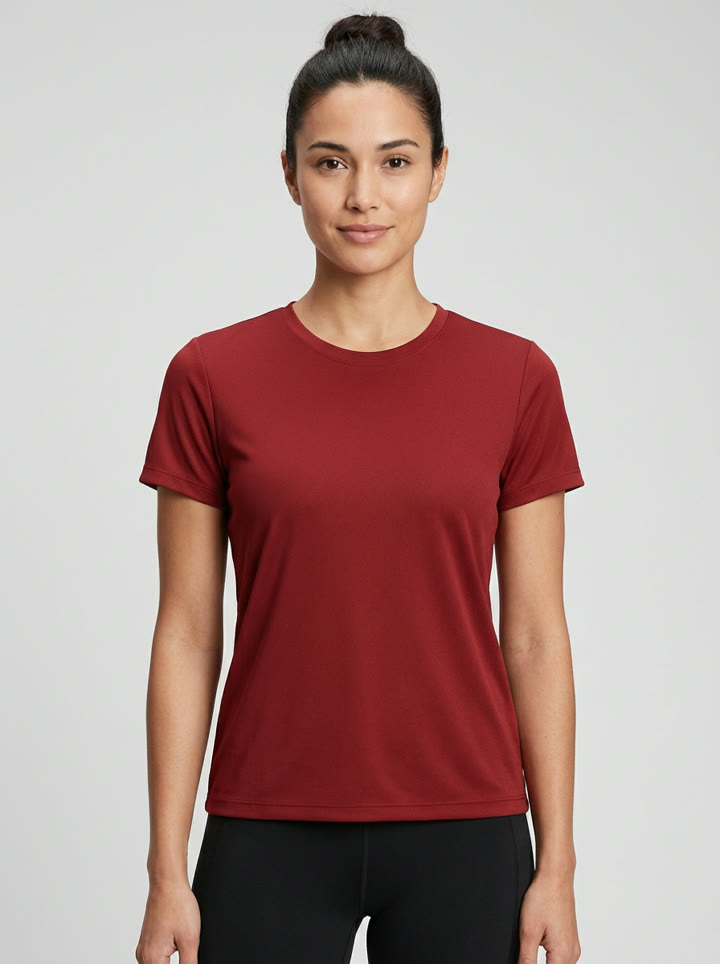
What broke: The red we sent came back 19 ΔE off under golden hour, and swung 21 inside its own eight seconds. The locked take sits at 4.
Apparel
Type inventedFixed by QuickAds
LOCK-04 · Type is never generatedHover or tap for the locked take.8s · broken drifted 2 of 2 · locked held 2 of 2

What broke: The label we sent was blank. It came back with a brand name in a typeface nobody chose, and the name belongs to a real company. Both takes did it.

Packaged goods
Wrong sizeFixed by QuickAds
LOCK-05 · Scale and weight holdHover or tap for the locked take.8s · broken drifted 2 of 2 · locked held 2 of 2

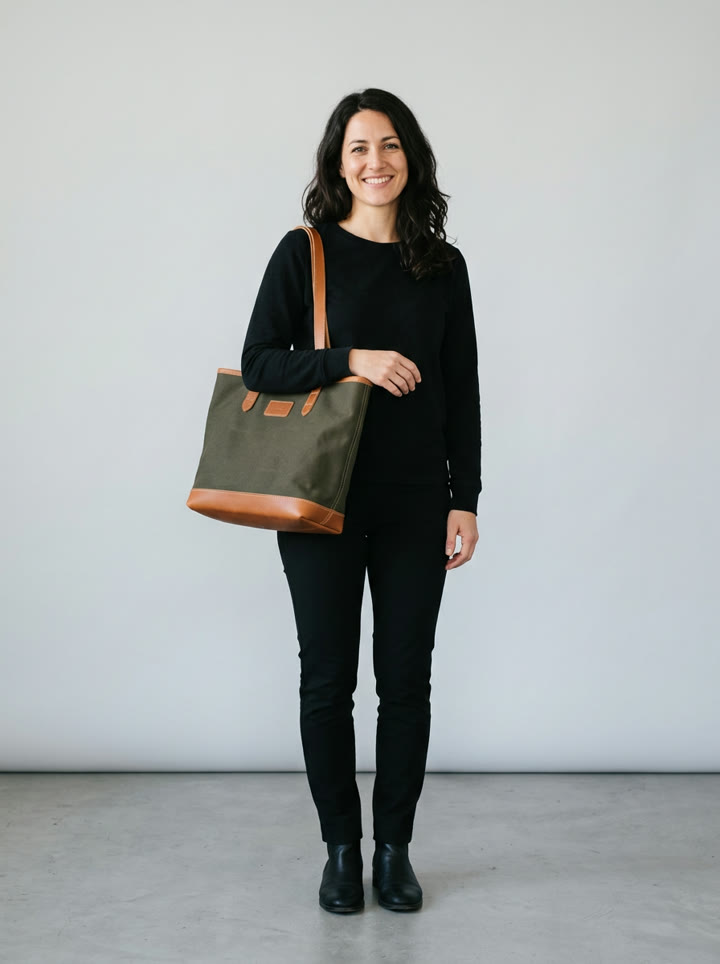
What broke: Right size for four seconds. Then the tote grew about a third, wider and taller, between the fourth and sixth second.

Bag, worn
Wrong sizeFixed by QuickAds
LOCK-05 · Scale and weight holdHover or tap for the locked take.8s · broken drifted 1 of 2 · locked held 2 of 2

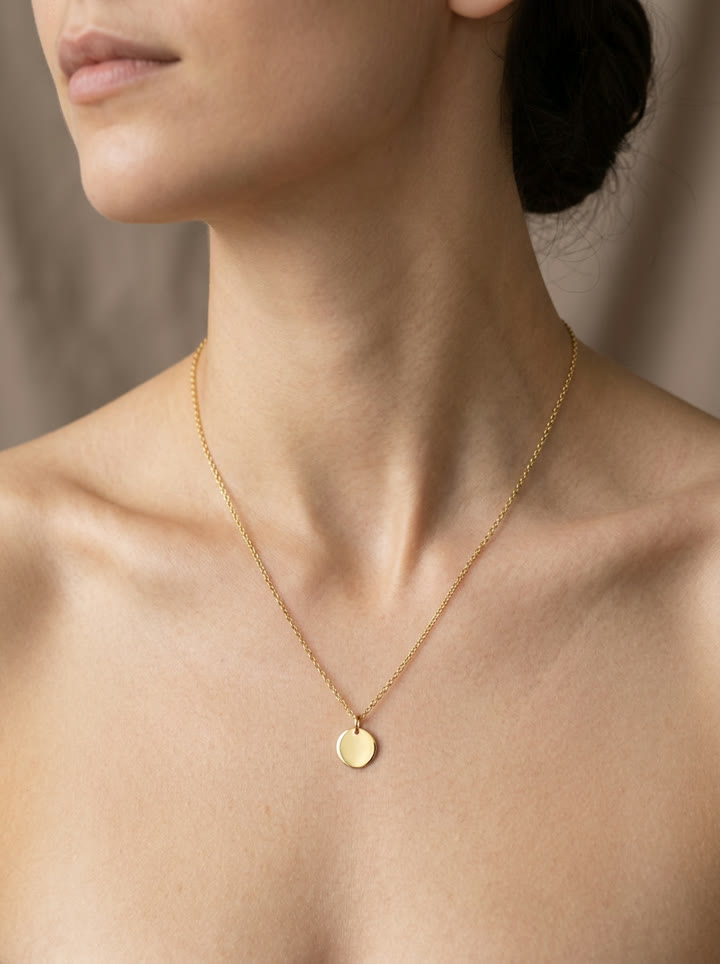
What broke: The 1.2 mm cable chain in the wide shot became a paperclip chain three times the weight in the close-up, then went back.

Jewelry, worn
Wrong colorFixed by QuickAds
LOCK-03 · Color lands inside the bandHover or tap for the locked take.8s · broken drifted 2 of 2 · locked held 1 of 2

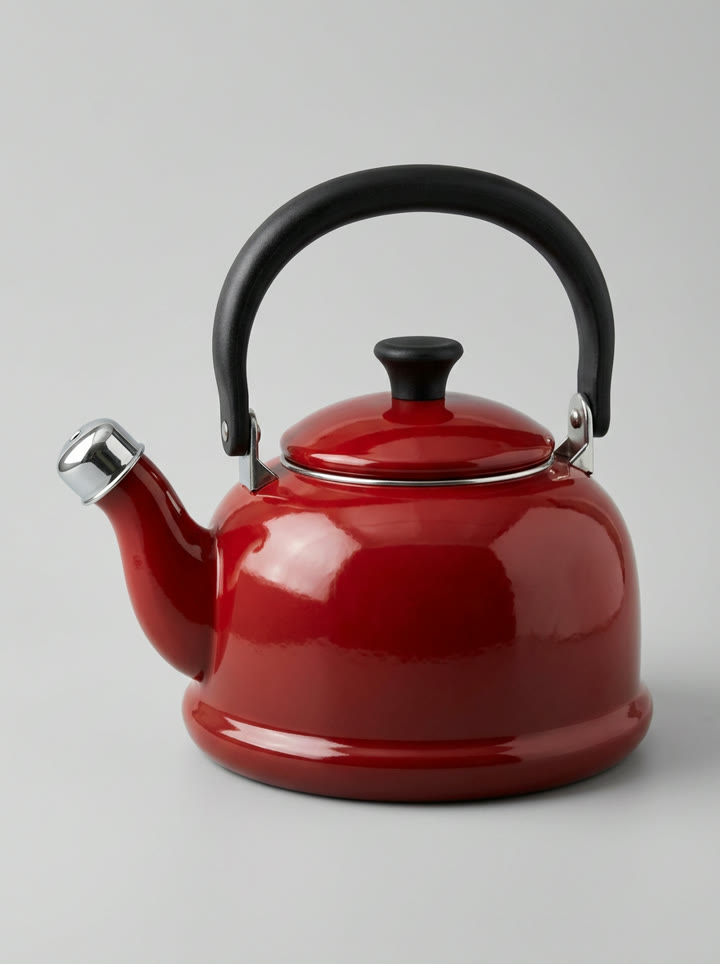
What broke: The signal red we sent came back maroon under the warm kitchen: 24 ΔE off, steady, and wrong for all eight seconds.

Kitchen
Not your productFixed by QuickAds
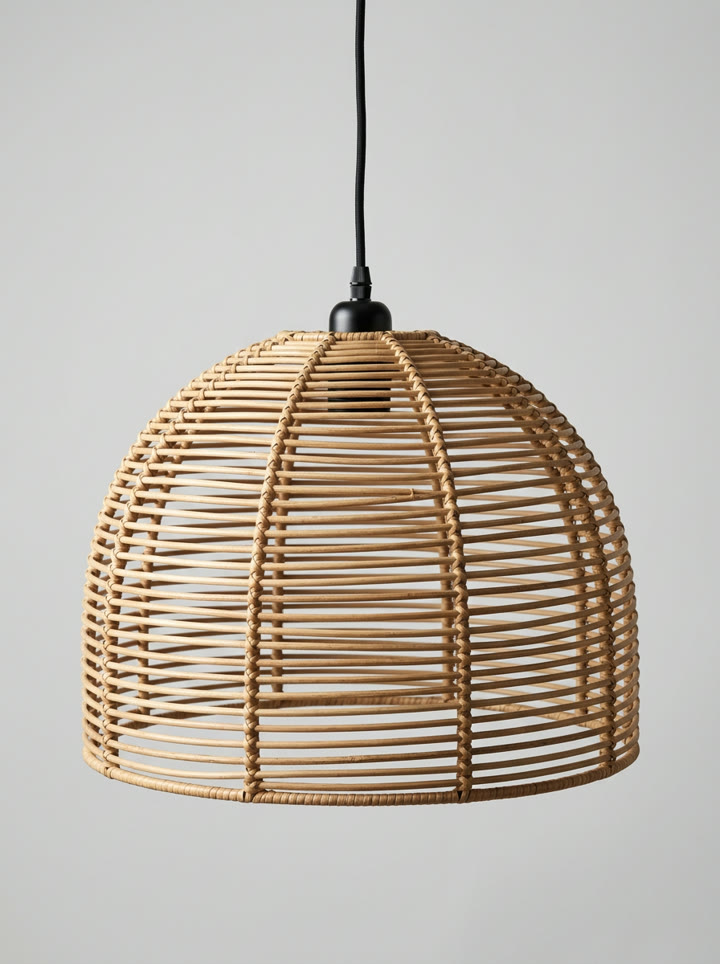
LOCK-01 · Geometry holdsHover or tap for the locked take.8s · broken drifted 2 of 2 · locked held 2 of 2

What broke: The weave never settled. Strips widely spaced two seconds in, dense again at seven, new ribs appearing between them, and the dome flattened out of shape on the way.

Lighting
Not your productFixed by QuickAds
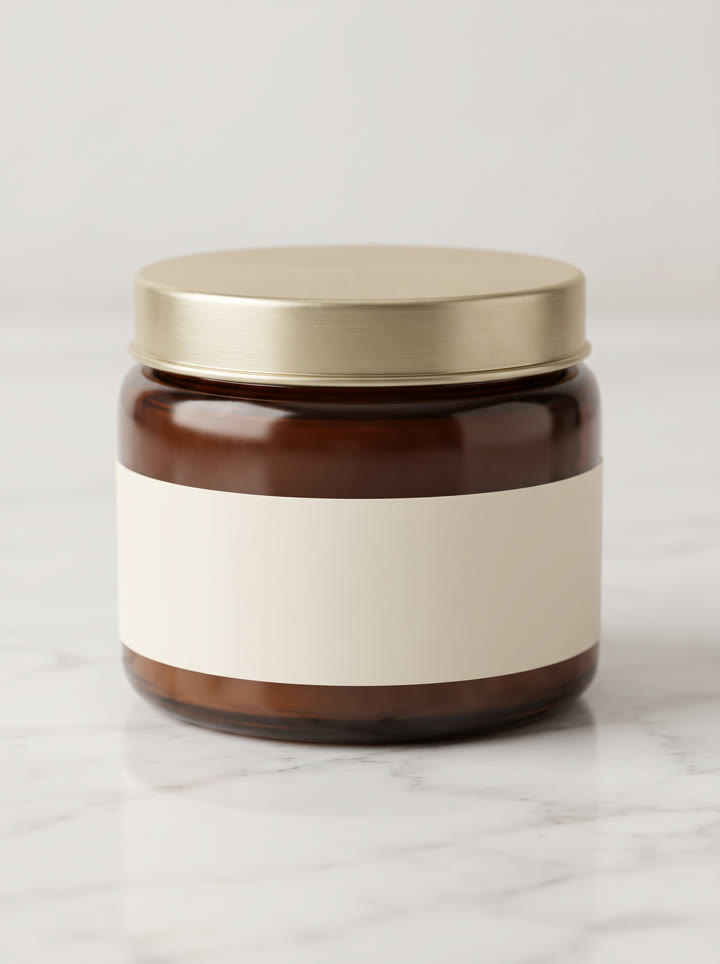
LOCK-01 · Geometry holdsHover or tap for the locked take.8s · broken drifted 1 of 2 · locked held 2 of 2

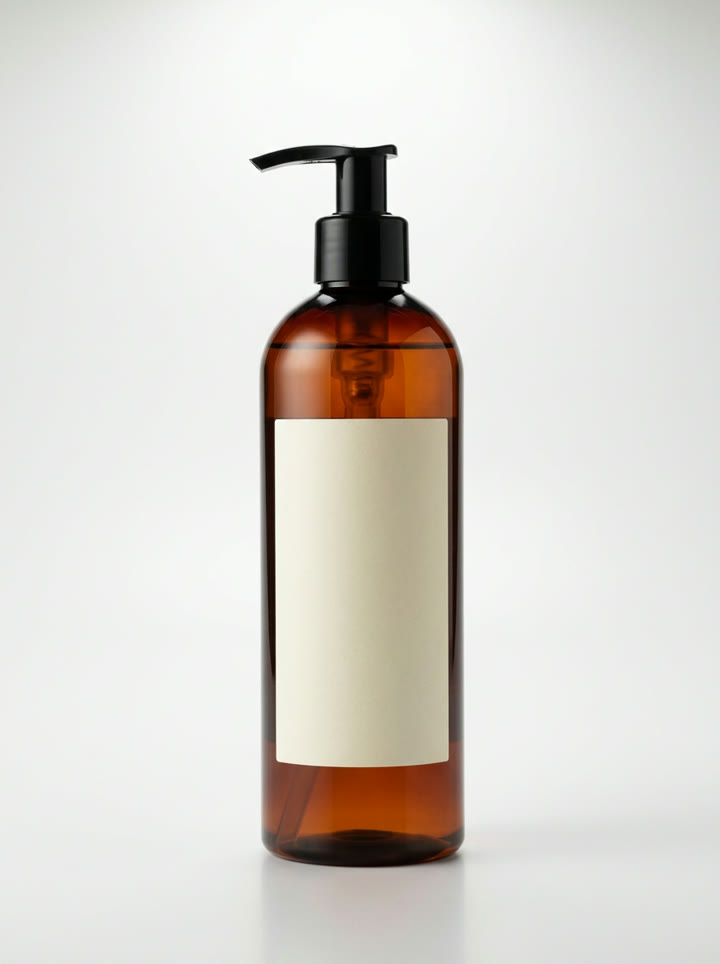
What broke: The single wrapping label became two floating patches with bare glass between them, and the lid grew a knurled rim the reference does not have. The label stayed blank the whole way: nothing was invented in type, only in parts.

Beauty
eight

products would not break.

Four of them were picked because material is the class that usually goes: tan pebbled top-handle bag, taupe suede chelsea boot, brushed steel insulated bottle and the cream cable-knit wool sweater. All four came through unchanged. A pair where the careless prompt holds is a fair result, so it is counted here rather than staged as a tile.

Read what held, and why →

What would not break

Eight products came through a careless prompt unchanged. None of them is a tile above, because there would be nothing to see: the careless take and the locked take come back the same. A pair that holds is still a result, so it is counted here rather than dropped. Every line here is about the careless take. Two of them, the 25 mm gold hoop earrings and the emerald velvet cushion, went on to fail their locked take instead, which is lower down.

  • Oak two-slat dining chair (LOCK-01). The broken prompt kept four legs and two slats through a twelve-second orbit.
  • Tan pebbled top-handle bag (LOCK-02). Pebbled grain and antique brass held through the pan.
  • 25 mm gold hoop earrings (LOCK-01). One hoop per ear held through the turn.
  • Double-breasted trench, ten buttons (LOCK-01). Ten buttons, both epaulettes, the storm flap and the tied belt held through the walk.
  • Taupe suede chelsea boot (LOCK-02). The taupe suede nap survived a dark key light in both takes, reading smooth for a second under the rake and coarse again the moment the light softened.
  • Brushed steel insulated bottle (LOCK-02). The brushed grain stayed brushed through a studio push-in, with no slide toward mirror chrome and the matte lid intact.
  • Cream cable-knit wool sweater (LOCK-02). Two cable columns and the seed stitch between them survived golden hour and a turn, on the fourth material we have tried to break.
  • Emerald velvet cushion, 38 cm (LOCK-05). The 38 cm cushion kept its proportion against the seat in both careless takes; what moved was the room, a three-seat sofa coming back with two.

Material is the class we have not managed to break on purpose. The tan pebbled top-handle bag, taupe suede chelsea boot, brushed steel insulated bottle and the cream cable-knit wool sweater all came through a careless prompt unchanged, which is why this wall has no material tile. The rule stays in every brief anyway: a check needs a name to check against, and the class is real on delivered work even where this engine will not repeat it on demand.

Every clip on this page is a reconstruction generated on purpose and labeled as one. No client product appears in it.

The case
The reference image both prompts were given
Broken prompt · rejected
Locked prompt · Fixed by QuickAds

Every delivered clip is checked against this class before it leaves. A clip that drifts is re-fired, not shipped and explained.

The eye test

Five Rounds. Which One Would You Ship?

The same invented product twice: one take from the careless prompt, one from the locked prompt, in an order that changes on every load. Nothing is printed until you pick. Nothing is stored and nothing is sent.

Round 1 of 50 correct
A woman in a deep red performance tee on a gray sweep, the reference image
Apparel. Both takes were given this reference image and nothing else.
The takes we would rather not print

Three Locked Prompts Missed Too

A lock is a specification, and a specification can still be ignored. These are the locked takes that failed their own class on this run, with what the check caught. They are the reason a clip is checked before it ships rather than trusted because the prompt was right.

LOCK-01 · 25 mm gold hoop earringsThe prompt said one 25 mm hoop per ear and listed a second hoop as a negative. A second, smaller hoop sat inside the first for nine of the twelve seconds anyway.12s · locked take 2 of 2
LOCK-03 · Red enamel stovetop kettleSame prompt, same hex, same neutral daylight as the take that held. This one rendered a stop darker: 7.2 ΔE from the reference, outside the band, steady for all eight seconds.8s · locked take 2 of 2
LOCK-05 · Emerald velvet cushion, 38 cmThe lock held the product and lost the room. A slow dolly kept revealing more sofa, five seats by the sixth second, on a prompt that named a three-seat sofa and one cushion. A product lock is not a set lock, and the check has to read both.8s · locked take 1 of 2

Same engine, same reference image, same length as the pair each one belongs to. The published locked take for each product is the one that held; these are the ones that did not.

Answers

Common Questions

Are these clips real failures from client work?
No. The failure classes are real and were read off delivered runs, but every clip here was generated on purpose, on an invented product, from the prompt printed under it. No client product appears on this page. That is also why the whole page can be shown: nothing in it needed anyone's permission.
Why does an AI product video change the product halfway through?
Because the model was given a suggestion rather than a specification. A photograph shows one side of an object; the moment the camera moves, the model has to invent the rest, and anything the prompt did not lock is free to change. Leg counts, materials, colors, label text and size all drift for the same reason: nothing wrote them down.
What is the difference between a broken prompt and a locked prompt?
The broken prompt describes a mood: cinematic, luxury, golden hour. The locked prompt names the reference image as the product, states the part count, the material by its trade term, the color as a hex, the size in centimeters, tells the model that text is never generated, and lists what must not happen. Both were sent with the same reference image to the same engine at the same length.
Does the same lock work for a person or a character in a video?
Yes. A multi-angle reference sheet holds a face the same way it holds a product, and the checks afterwards are the same idea with different questions: is it the same face, the same hair, the same wardrobe at every frame. The mechanism is identical; only the checklist changes.
How is color drift in a video measured?
In CIELAB, from the files this page serves. Twelve frames are sampled across the clip, the product window is read per frame, and two numbers come out: how far each frame sits from the clip's own mean, and how far the clip sits from the reference image both prompts were given. The second one is the figure printed on the tiles. A distance in CIELAB maps roughly to how different two colors look to a person, which is why it is used rather than a screenshot argument.
Can you run these five checks on my product before I commit?
Yes. Send four SKUs, ideally ones that break differently: something printed, something with hardware, something color-critical, something you have never managed to shoot well. We build the reference sheet for each, run the locked format, and hand back the clips with the check results beside them, in five to seven days.

Run These Five Checks On Your Product.

Send four SKUs that break differently: something printed, something with hardware, something color-critical, something you have never managed to shoot well. We build the reference sheet, run the locked format, and hand back the clips with the check results beside them.

No performance figure is promised on this page. We quote throughput and turnaround only.

What happens after you book
  • Day 0A twenty minute call. Bring four SKUs and whatever you have already shot of them.
  • Day 1We build the multi-angle reference sheet for each one. That is the slow part, and it is done once per SKU.
  • Day 3First clips, in the format you picked, generated against those sheets rather than against a photograph.
  • Day 5–7QC frame by frame against the sheet. You get the color figures alongside the clips, not instead of them.
  • Week 2The format is locked and it repeats per SKU. A pod ships 100 or more finished creatives a month from there.