Beverage marketing, from the cooler to the cart.every flavor, every market.sell the moment, show the drink.
The cooler still sells the cold one. The app, the cart and the feed now decide the multipack, the new flavor and the weekend order. Your creative has to work in all of them.
Tell us the brand, the markets and the retailers that matter. We come back with what is missing on your digital shelf by market, what the first month of creative would look like and one number.
No card. We reply within one working day.
- A read of your product pages and live ads, retailer by retailer, market by market
- The asset count your market and network mix actually needs each quarter
- A first-month plan: concepts, formats, creators, turnaround
- One number per brand or market. No hourly billing, no roster fees
Beverage marketing in 2026 has to win two moments: the impulse grab at the cooler and the planned buy online, in grocery apps, quick commerce and retail media. That means occasion-led creative, flavor and pack variety, creators in every market and fast refreshes for seasons and promotions, all inside one brand system.
- Sell the occasion, not the liquid.Game night, heat, meals and gatherings carry beverage creative.
- Flavors and packs multiply fast.Each flavor, size and multipack needs its own shelf content.
- Online sells the planned basket.Multipacks and party orders move to apps and retailer sites first.
- Seasons set the calendar.Summer, festivals and sport need creative ready early and refreshed weekly.
- Claims need care.Sugar, caffeine and health language differ by market; lock them first.
What people assume. What actually happens.
Beverage brands have always marketed moments: the hot afternoon, the match, the meal. What changed is where those moments get bought. More multipacks, new flavors and party orders now go through grocery apps, quick-commerce platforms and retailer sites, often planned on a phone before anyone opens a fridge door.
In US grocery, online drove close to 75% of dollar growth in 2025 (NielsenIQ and FMI), but the shift is uneven. In some markets online is still a small slice of beverage sales; in others it is growing fast enough that category leaders are actively looking for ways to push it further. Either way the creative problem is the same: more flavors, packs, occasions and retailers than a traditional production cycle can cover.
Beverages are an impulse category, so online doesn't matter.
The single cold can is impulse. The multipack, the new flavor trial and the party order are planned, and planning happens on a phone.
One global campaign covers every market.
The brand system is global. The occasions, languages, retailers and promotions are local, and shoppers notice which is which.
New flavors can wait for the next shoot.
By the next shoot the launch window has closed. Packshot-to-lifestyle production turns a new SKU into shelf-ready content in days.
Where beverage creative breaks
Flavor and pack sprawl
A core brand with eight flavors in four pack sizes is 32 SKUs before limited editions. Most get a packshot and nothing else.
Occasion calendars move faster than briefs
Heatwaves, match days and festivals are known in advance but act on short notice. Creative that takes six weeks arrives after the moment.
One global look, many local moments
The brand system is global; the occasions, languages, retailers and promotions are local. Teams end up choosing between consistency and relevance.
Sugar, caffeine and health claims
Zero sugar, energy and functional claims carry different rules by market and platform. Unchecked variants are a real risk at volume.
The beverage creative playbook
Build an occasion library
Map the moments your brand owns by market and season, then build reusable creative for each: scenes, hooks, copy and creators.
Make every flavor and pack shoppable
Hero images, multipack shots, cold-cue lifestyle images and a short video for each SKU, readable at thumbnail size.
Put creators in every market
Local creators show the drink in local moments, and their content becomes paid social and retail media assets. See Remy, our influencer agent.
Plan for grocery apps and quick commerce
Bundle, chilled-delivery and party-order creative for the apps where planned baskets close.
Lock claims per market
Sugar, caffeine and functional claims approved once per market and used verbatim in every variant.
Refresh weekly, learn weekly
New variants every week through the season, with a weekly read on which occasion, flavor and creator carried each retailer.
Who this is for
Global soft drink and beverage groups
Brand and ecommerce teams across markets and bottling or distribution partners who need one creative system, produced locally.
Energy, functional and RTD challengers
Fast-growing brands launching flavors faster than they can photograph them.
Water, juice, dairy and coffee brands
Portfolio brands where multipacks and subscriptions are moving online.
Where QuickAds fits
QuickAds is the creative layer behind beverage campaigns: creative intelligence on 32M+ ads, claims and brand locked per market, 100+ creatives a month in 5 to 7 days, creators through Remy and a weekly read on what worked. For brands with a few hero SKUs and heavy paid spend, that runs as claims-safe volume creative. For broad portfolios, it runs as an enriched catalog.
See beverage advertising ideas, the FMCG ad intelligence report and how QuickAds helps FMCG brands.
Proof before the call.
Watch it work
- 50 ad variations from one videoEvery flavor, every pack, every market from one shoot.
- Keep AI characters consistent across video adsThe pack and the person stay the same from shot one to shot four.
- Find and manage creators with RemyReal creators in real moments, sourced and managed as one system.
Read the data
- FMCG ad intelligence report 2026Thirty brands including the beverage leaders.
- TikTok and Meta trends reportWhich formats are carrying right now.
- The video marketing guideVideo ad production at scale.
Questions teams ask first.
What is beverage marketing?
Beverage marketing is how drink brands build preference and sales for soft drinks, water, juice, energy drinks, coffee, tea and ready-to-drink products. It combines brand building around occasions and taste with shelf execution: coolers and displays in store and, increasingly, retailer apps, quick commerce and retail media online.
What makes beverage advertising work?
Beverage ads that work usually sell a moment, with the drink inside it: heat, food, sport, friends. They show the product clearly and cold, make the flavor and pack obvious, and put the brand on screen early. Online, the same ad has to read at thumbnail size and without sound.
How do beverage brands grow online sales?
By making multipacks, new flavors and party orders easy to buy where shoppers plan baskets: grocery apps, quick commerce, retailer sites and marketplaces. That takes complete content for every SKU, retail media to drive traffic, creators to build demand and creative refreshed around seasons and promotions.
What should a food and beverage marketing agency do?
It should understand both the brand and the shelf: occasion-led creative, pack and flavor content, retail media and quick commerce, creators and market-by-market claims. Many agencies cover one of these. QuickAds covers the creative chain end to end and works alongside your agency of record. Nobody loses the film.
Can you handle sugar and health claims across markets?
Yes, with a clear split of responsibility. We build a claims sheet per market from your approved language, use it verbatim in every variant and check each asset frame by frame before it ships. Your legal and regulatory teams approve the claims; we do not provide legal review.
The FMCG and retail page set.
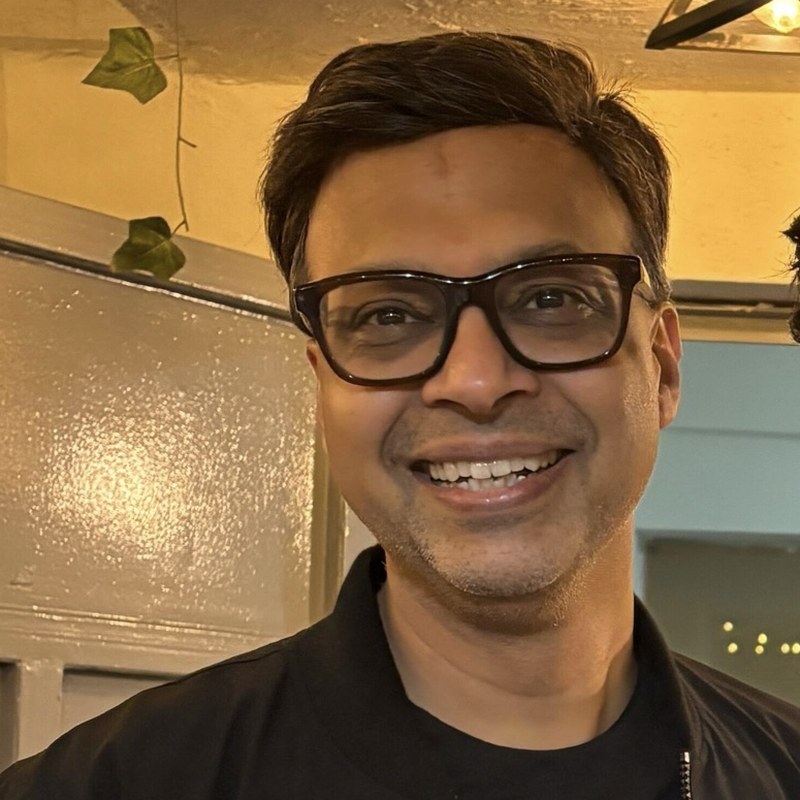
Nitin Mahajan, Founder and CEO, QuickAds
Nitin runs QuickAds, the creative intelligence and production company behind this page: 70+ people across India, Singapore, Canada and the US, and more than $200M of ad spend managed. Before QuickAds he was early at two companies that went on to become unicorns. This page comes out of the calls he has with FMCG and retail teams every week. Connect on LinkedIn
Tell us the brand and the retailers that matter. We come back with what is missing on your digital shelf and what the first month would look like.
No card. We reply within one working day.