Retail media networks: the shelf, the data and the ads you still have to make.Amazon, Walmart, Instacart, Kroger.the list, and what each one needs.
Every large retailer now runs an ad business on its own shopper data. Here is what a retail media network is, which ones take the spend, and what each expects from a brand's creative.
Tell us the brand, the markets and the retailers that matter. We come back with what is missing on your digital shelf by market, what the first month of creative would look like and one number.
No card. We reply within one working day.
- A read of your product pages and live ads, retailer by retailer, market by market
- The asset count your market and network mix actually needs each quarter
- A first-month plan: concepts, formats, creators, turnaround
- One number per brand or market. No hourly billing, no roster fees
A retail media network (RMN) is a retailer's advertising business: it sells ad placements on the retailer's site, app, stores and partner channels, targeted with the retailer's own purchase data, and reports attributed sales from its own transactions. Amazon Ads and Walmart Connect take most US spend; Instacart, Target Roundel, Kroger Precision Marketing, Albertsons Media Collective and CVS Media Exchange follow. US retail media spend is forecast at $69.33 billion in 2026 (eMarketer).
- An RMN is first-party data sold as ads.Search, display, video and in-store placements, measured against real baskets.
- Two networks take most of the growth.Amazon and Walmart capture about 89% of new US spend in 2026.
- Every network has its own creative rules.Sizes, safe zones, copy limits, approval flows. One file does not travel.
- Offsite is where creative quality shows.Social and streaming placements compete with every other ad in the feed.
- The ad is the only part you control.Your competitors buy the same audiences. The creative is the difference.
What people assume. What actually happens.
Retail media networks grew out of a simple fact: the retailer knows what people bought. Turning that into ad targeting, and selling it back to the brands on the shelf, is now one of the fastest-growing lines in retail.
eMarketer forecasts US retail media spend of $69.33 billion in 2026, up from $58.79 billion in 2025. The targeting is the retailer's. The creative is still yours, and it has to be rebuilt for every network you buy.
Retail media networks are all basically Amazon.
Each network has its own formats, policies and shopper. A sponsored brand video on one is a custom display unit on another.
The network handles the creative.
Self-serve tools place ads. They do not shoot, design or cut them. Most networks accept assets; few make them.
Onsite is enough.
Offsite placements on social and streaming are where the growth is, and they need full creative, not a packshot on white.
The retail media networks that matter in the US
Rough order of US spend. Specs and formats change often; confirm with each network before production.
Amazon Ads
Sponsored Products, Sponsored Brands and video, brand Stores, display and streaming through Amazon DSP and Prime Video. The largest network by a wide margin.
Walmart Connect
Sponsored Products and Brands, onsite display and offsite through partners. Value messaging and pack clarity carry.
Instacart Ads
Sponsored Products, display and shoppable video inside the grocery basket. Occasion and recipe framing help.
Target Roundel
Onsite and offsite placements with retailer-specific brand standards and approval steps.
Kroger Precision Marketing
Search, onsite display and offsite audiences built on loyalty data from one of the largest US grocers.
Albertsons, CVS, Dollar General and others
Most large grocers, pharmacies and dollar stores now run a network. Each adds another spec sheet.
How a retail media network works
Data
The retailer turns purchase and loyalty data into audiences: category buyers, lapsed buyers, competitor buyers.
Inventory
Placements on the retailer site and app, in stores, and offsite through social, display and streaming partners.
Buying
Brands buy through a self-serve platform or a managed team, on impressions, clicks or share of voice.
Measurement
The network attributes sales from its own transactions, which is why retail media is called closed-loop.
Creative
The brand supplies assets to the network spec. This is the step that stalls most campaigns.
What each network needs from your creative
Thumbnail-first product images
Brand, variant, size and benefit readable at phone size, with safe zones respected.
Sponsored brand headlines and logos
Short, claim-safe copy in each network character limit, with approved logo files.
Display in every size
Each network has its own banner set. Build the master, then cut it to every spec.
Short product video
Fifteen to thirty seconds, product in use, readable with no sound, for onsite video and offsite streaming.
QuickAds builds one master concept and cuts it to every network you buy, with retailer and market QA before anything ships. See retail media advertising and how QuickAds helps FMCG brands.
Proof before the call.
Watch it work
- One product feed into branded catalog adsRetail-ready creative for every SKU.
- One product URL into dozens of adsOne concept cut to every network spec.
- Three things to check before you hit publishCatching the line a network would reject.
Read the data
- FMCG ad intelligence report 2026Retail media growth by market.
- The ROI of creativeCreative capacity as the constraint.
Questions teams ask first.
What is a retail media network?
A retail media network is a retailer's advertising business. It packages the retailer's shopper data, website and app inventory, offsite partnerships and sometimes in-store screens into ad products brands can buy. Amazon Ads and Walmart Connect are the largest in the US.
What are the top retail media networks?
By US spend: Amazon Ads, Walmart Connect, Instacart Ads, Target Roundel, Kroger Precision Marketing, Albertsons Media Collective and CVS Media Exchange. Most large grocers, pharmacies and marketplaces now run one, and the list grows every year.
How do retail media networks make money?
They sell ad placements and audiences built on first-party purchase data, usually on a cost-per-click, cost-per-impression or share-of-voice basis, and charge managed-service fees for larger brands. Margins are far higher than retail margins, which is why every large retailer wants one.
What is the difference between retail media and retail media networks?
Retail media is the category: advertising sold by retailers on their own data. A retail media network is one retailer's specific ad business, such as Walmart Connect. Brands buy retail media through many networks.
Which retail media platforms should a CPG brand prioritise?
Start where your sales are. For most US CPG brands that means Amazon and Walmart, then the grocer or marketplace that carries the most of your volume. Each network you add multiplies the creative you need, so plan production capacity alongside budget.
The FMCG and retail page set.
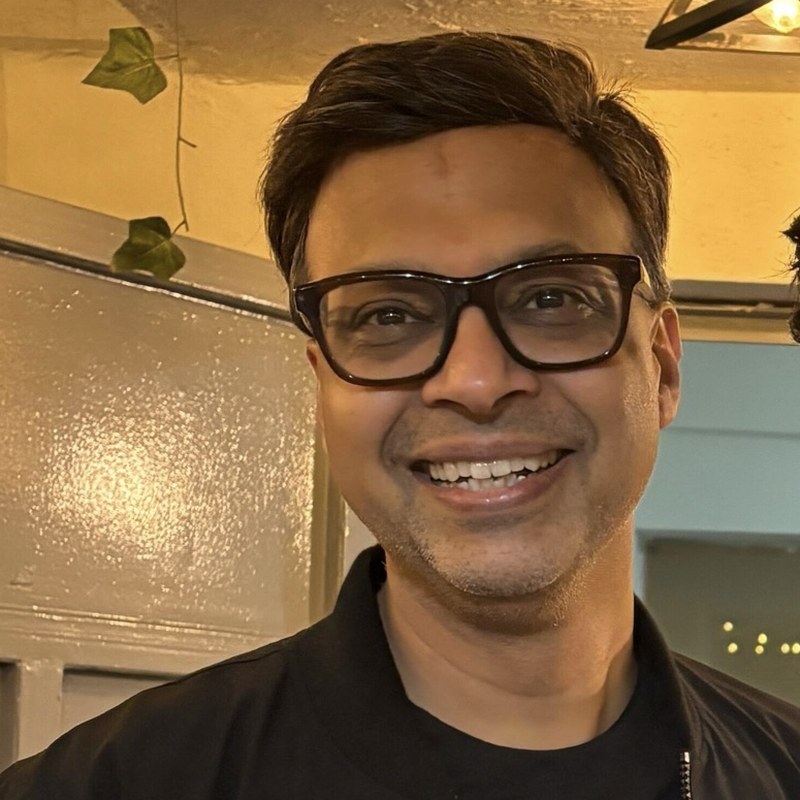
Nitin Mahajan, Founder and CEO, QuickAds
Nitin runs QuickAds, the creative intelligence and production company behind this page: 70+ people across India, Singapore, Canada and the US, and more than $200M of ad spend managed. Before QuickAds he was early at two companies that went on to become unicorns. This page comes out of the calls he has with FMCG and retail teams every week. Connect on LinkedIn
Tell us the brand and the retailers that matter. We come back with what is missing on your digital shelf and what the first month would look like.
No card. We reply within one working day.