CPG marketing strategy for 2026: sell where the growth is.win the digital shelf.put creative behind the media.run creators at volume.
Most of the volume is still in the store. Most of the growth isn't. A practical playbook for FMCG brands and retailers moving budget, teams and creative toward the digital shelf.
Tell us the brand, the markets and the retailers that matter. We come back with what is missing on your digital shelf by market, what the first month of creative would look like and one number.
No card. We reply within one working day.
- A read of your product pages and live ads, retailer by retailer, market by market
- The asset count your market and network mix actually needs each quarter
- A first-month plan: concepts, formats, creators, turnaround
- One number per brand or market. No hourly billing, no roster fees
CPG marketing strategy in 2026 means building for an omnichannel shopper who discovers online and buys anywhere. The priorities: win the digital shelf, put creative behind retail media, run creators and social at volume, localize by market and measure creative by retailer. Online is still a minority of sales but drives most of the growth.
- Discovery moved online first.Shoppers check apps, retailer sites and social before the store trip.
- Retail media is the new trade budget.US retail media spend is forecast at $69.33B in 2026 (eMarketer).
- Creative volume is now a strategy question.Every retailer, market and SKU multiplies what you need.
- Creators earn attention polish can't.Category leaders run creator content alongside the brand film.
- Measure the creative, not only the campaign.Know which hook and pack shot carried each retailer.
What people assume. What actually happens.
CPG marketing is the work of getting consumer packaged goods chosen, again and again, wherever people shop. For decades that meant TV for awareness and trade spend for the shelf. Both still matter. Neither explains where growth is coming from now.
US online grocery is about a fifth of grocery spending and drove close to 75% of grocery dollar growth in 2025, according to NielsenIQ and FMI. In France and Britain, ecommerce is already over 10% of FMCG sales (NIQ). This playbook covers what changed, the six moves that matter and the mistakes we see most.
A great TV ad will carry digital too.
A 30-second film cut to six seconds is not a retail media ad. The product has to read in the first second, at thumbnail size, with no sound.
Five strong assets beat fifty average ones.
Five assets on fifty placements fatigue fast and leave default tiles where your brand should be. Volume with variety wins the feed and the shelf.
Campaign ROAS tells us what worked.
Campaign numbers blend creative, bid, placement and price. Without creative-level tagging, nobody learns which ad did the work.
What changed in CPG marketing
The shopper went omnichannel
NIQ and FMI report that 93.3% of US consumers buy food and beverages across both digital channels and stores. The list gets built on a phone, even when the trip ends in an aisle.
Trade budget moved into retail media
Money that once paid for end caps and circulars now buys sponsored listings and retailer audiences. eMarketer forecasts US retail media at $69.33 billion in 2026, up from $58.79 billion in 2025.
Ad platforms started rewarding variety
Meta and TikTok now lean on the creative itself to find audiences. A brand that feeds them a handful of assets reaches a handful of audiences. Variety buys reach.
Fast markets show what is coming
Indian FMCG digital spend grew around 40% in 2025, and digital now takes 64% of the Indian FMCG media mix, per the QuickAds FMCG ad intelligence report. What works in the fastest market is worth studying before it reaches yours.
What the leaders are already doing
The largest FMCG groups have already decided creative volume is an infrastructure problem, not a campaign problem. Three public examples.
Twenty times the influencers, one digital twin per product
The new CEO moved social from 30% to 50% of spend and committed to twenty times more influencers. Production was rebuilt to feed it: a digital twin of each product so one file holds every variant, label and language. Content costs down 87%, made twice as fast, rolling across 21 markets by 2026.
Source: UnileverGlobal to local on one platform
Global-to-local campaigns run through a single content platform, which Haleon says halved campaign execution time. The setup won a Gartner marketing technology award in 2024.
A $40 million content engine
More than $40 million invested in a generative AI content tool, targeting 30% to 50% lower production costs, starting with social content for Chips Ahoy and Milka, with people checking every output.
Source: ReutersAll three did the same three things: one source of product truth, production measured in days, and creators plus people kept on brand and claims. QuickAds does that as a service, for brands that are not going to write a $40 million cheque for tooling.
The six-move CPG marketing playbook
Win the digital shelf first
Titles, images, enhanced content and a short video for every hero SKU on every retailer that matters. Paid media sends shoppers to this page, so a weak page taxes every ad dollar behind it.
Put creative behind retail media
Treat each retail media network as its own channel with its own specs, policies and audience. Build assets for it instead of resizing the packshot.
Run creators at volume
Recruit creators in every priority market and turn their content into paid ads. Real people using the product earn attention a studio packshot rarely gets in the feed.
Localize inside one brand kit
Lock mandatories, legal lines and claims per market, then let local teams and partners produce inside the kit. Nobody has to reinvent the brand in Jakarta.
Plan for quick commerce
Build occasion and bundle creative for apps where the basket closes in minutes. The calendar there is weekly, sometimes daily.
Measure creative by retailer
Tag every asset by hook, format, SKU and creator so results read across retailers and markets. Brief the next batch from that read.
Mistakes that burn CPG budgets
Resizing the TV ad
The product has to be readable in the first second, at thumbnail size, with no sound. A cutdown of a brand film rarely is.
Five assets for fifty placements
Few assets means fast fatigue and default tiles where your brand should be.
One global asset in forty markets
Language, pack, price and claims differ by market. One asset everywhere reads as foreign everywhere.
Judging creative on campaign ROAS
Campaign results blend creative, bid, placement and price. Tag creative or you learn nothing about it.
Where QuickAds fits
QuickAds is the creative layer for this playbook: creative intelligence on 32M+ ads, a brand kit per market, 100+ creatives a month in 5 to 7 days, creators through Remy and a weekly read on what worked. Your agency of record keeps the big idea. We make everything after it.
See how QuickAds helps FMCG brands, the retail media advertising guide and the FMCG ad intelligence report.
Proof before the call.
Watch it work
- Beyond the Meta Ad LibraryHow creative intelligence reads a category before anything gets briefed.
- Build ads 10x faster with AIResearch, create and analyse as one loop.
- Found an ad you like? Rebuild itFor your product, in your market.
Read the data
- FMCG ad intelligence report 2026The US, UK and India numbers behind this playbook.
- Saturation PointWhere marketing and creative workflows actually stall.
- The generative AI playbook for marketing teamsQuality at AI speed, with people in charge.
Questions teams ask first.
What is CPG marketing?
CPG marketing is marketing for consumer packaged goods, the everyday products people buy often and use up quickly. It focuses on repeat purchase, shelf visibility, price and promotion, and brand preference at the moment of choice. In 2026 that moment is increasingly online, on retailer apps, quick-commerce platforms, social feeds and search, as well as in the store.
What are CPG marketing strategies?
The strategies that matter most in 2026 are winning the digital shelf, putting purpose-built creative behind retail media, running creators at volume, localizing inside one brand kit, planning for quick commerce and measuring creative by retailer. TV, trade promotion and in-store activation still matter, but they now work alongside these.
How do you promote FMCG products online?
Start with strong product pages on the retailers that matter, then buy retail media to put those pages in front of shoppers. Add social and creator content to build demand, and quick-commerce placements where your category sells. Each channel needs its own creative, so production capacity usually decides how far a brand can go.
How are CPG brands using generative AI?
Mostly for creative variation and localization: lifestyle scenes around packshots, copy variants, resizing for retailer specs and translating on-screen text. The brands getting value keep people in charge of brand standards, claims and final review. At QuickAds, AI handles form and humans own substance, with every asset checked frame by frame.
Is retail media worth it for CPG brands?
For most CPG brands it is now hard to avoid, because the retailer controls the shelf where the purchase happens. eMarketer expects US retail media spend of $69.33 billion in 2026. Whether it pays depends on product pages, price and creative quality, so put a line in the budget for retail media creative, separate from placements.
The FMCG and retail page set.
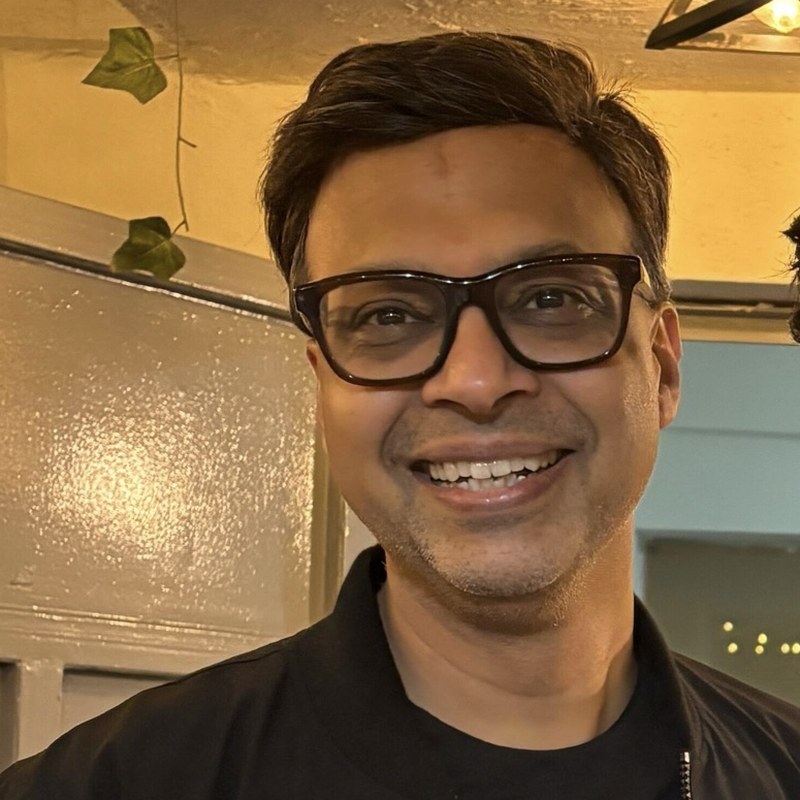
Nitin Mahajan, Founder and CEO, QuickAds
Nitin runs QuickAds, the creative intelligence and production company behind this page: 70+ people across India, Singapore, Canada and the US, and more than $200M of ad spend managed. Before QuickAds he was early at two companies that went on to become unicorns. This page comes out of the calls he has with FMCG and retail teams every week. Connect on LinkedIn
Tell us the brand and the retailers that matter. We come back with what is missing on your digital shelf and what the first month would look like.
No card. We reply within one working day.